

1 month ago
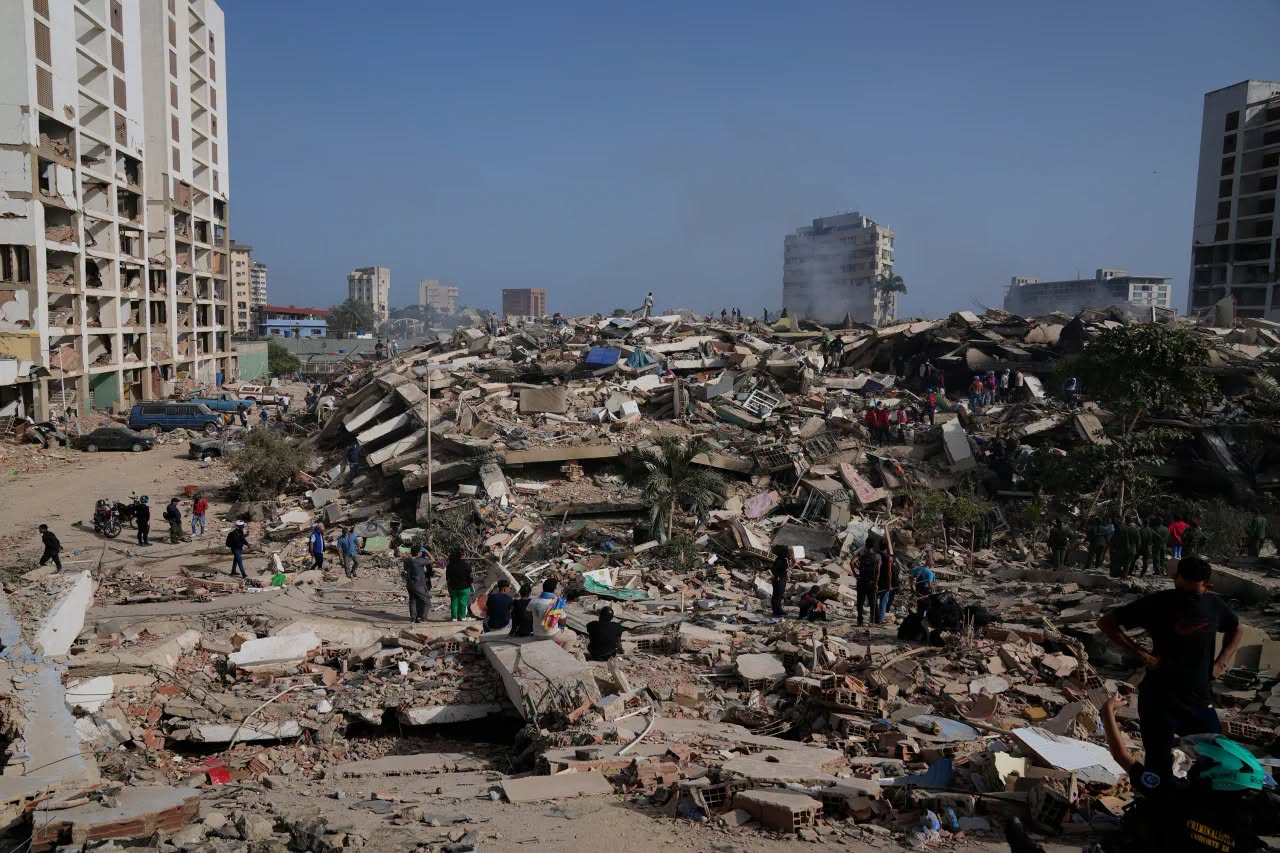
በቬንዙዌላ በደረሰው ከባድ የመሬት መንቀጥቀጥ አደጋ የሟቾች ቁጥር 920 ደረሰ
*******************
በቬንዙዌላ በተከሰተው ድርብ የመሬት መንቀጥቀጥ አደጋ ሕይወታቸው ያጡ ሰዎች ቁጥር 920 መድረሱን እና ከ 3,360 በላይ ሰዎች ደግሞ ቀላል እና ከባድ ጉዳት እንደደረሰባቸው የሀገሪቱ ባለስልጣናት አስታውቀዋል።
በአንድ ደቂቃ ልዩነት ውስጥ የተከሰቱት ሁለት ከባድ የመሬት መንቀጥቀጥ አደጋዎች በአገሪቱ ላይ ከፍተኛ ውድመት ማድረሳቸው ተገልጿል፡፡
በሬክተር ስኬል 7.2 እና 7.5 የሆነ የኃይል መጠን ያላቸው እነዚ ተከታታይ የመሬት መንቀጥቀጦች፣ ሀገሪቱ ባለፉት 100 ዓመታት ውስጥ ካስተናገደቻቸው እጅግ አስከፊ አደጋዎች መካከል የሚመደቡ ናቸው ተብሏል፡፡
ከአደጋው በኋላ በሕይወት የተረፉ ሰዎችን ለመፈለግና ለማዳን ዓለም አቀፍ የነፍስ አድን ቡድኖች የአገሪቱን የነፍስ አድን ሠራተኞች እየተቀላቀሉ ይገኛል።
በዚህም አሁን ላይ 80 የሚሆኑ የስዊዘርላንድ የነፍስ አድን ባለሙያዎች እና የሜክሲኮ የረድኤት ሠራተኞች ቡድን በቦታው ላይ ድጋፍ በመስጠት ላይ እንደሚገኙ ተጠቁሟል።
የሀገር ውስጥ የነፍስ አድን ቡድኖች በዋና ከተማዋ ካራካስ እና በላ ጉዋይራ ግዛት ውስጥ በፈረሱ ሕንጻዎች ፍርስራሽ ሥር ሙሉ ፍለጋ እያካሄዱ ሲሆን፤ አደጋው በደረሰባቸው ቦታዎች የሚገኙ በርካታ ሰዎችም የደረሱበት ያልታወቁ ቤተሰቦቻቸውን ዘመዶቻቸውን ለማግኘት ከፍተኛ ጥረት እያደረጉ እንደሚገኙ ተናግረዋል፡፡
ሁለቱ የመሬት መንቀጥቀጦች ረቡዕ ምሽት በአንድ ደቂቃ ልዩነት ውስጥ የተከሰቱ ሲሆን፤ በተለይም ሁለተኛው እ.ኤ.አ ከ1900 በኋላ በቬንዙዌላ ታሪክ የተመዘገበ እጅግ ከፍተኛውና ኃይለኛው የመሬት መንቀጥቀጥ መሆኑን ቢቢሲ ዘግቧል።
#ethiopianbroadcastingcorporation #venezuela #earthquake #disasterrelief #internationalaid
*******************
በቬንዙዌላ በተከሰተው ድርብ የመሬት መንቀጥቀጥ አደጋ ሕይወታቸው ያጡ ሰዎች ቁጥር 920 መድረሱን እና ከ 3,360 በላይ ሰዎች ደግሞ ቀላል እና ከባድ ጉዳት እንደደረሰባቸው የሀገሪቱ ባለስልጣናት አስታውቀዋል።
በአንድ ደቂቃ ልዩነት ውስጥ የተከሰቱት ሁለት ከባድ የመሬት መንቀጥቀጥ አደጋዎች በአገሪቱ ላይ ከፍተኛ ውድመት ማድረሳቸው ተገልጿል፡፡
በሬክተር ስኬል 7.2 እና 7.5 የሆነ የኃይል መጠን ያላቸው እነዚ ተከታታይ የመሬት መንቀጥቀጦች፣ ሀገሪቱ ባለፉት 100 ዓመታት ውስጥ ካስተናገደቻቸው እጅግ አስከፊ አደጋዎች መካከል የሚመደቡ ናቸው ተብሏል፡፡
ከአደጋው በኋላ በሕይወት የተረፉ ሰዎችን ለመፈለግና ለማዳን ዓለም አቀፍ የነፍስ አድን ቡድኖች የአገሪቱን የነፍስ አድን ሠራተኞች እየተቀላቀሉ ይገኛል።
በዚህም አሁን ላይ 80 የሚሆኑ የስዊዘርላንድ የነፍስ አድን ባለሙያዎች እና የሜክሲኮ የረድኤት ሠራተኞች ቡድን በቦታው ላይ ድጋፍ በመስጠት ላይ እንደሚገኙ ተጠቁሟል።
የሀገር ውስጥ የነፍስ አድን ቡድኖች በዋና ከተማዋ ካራካስ እና በላ ጉዋይራ ግዛት ውስጥ በፈረሱ ሕንጻዎች ፍርስራሽ ሥር ሙሉ ፍለጋ እያካሄዱ ሲሆን፤ አደጋው በደረሰባቸው ቦታዎች የሚገኙ በርካታ ሰዎችም የደረሱበት ያልታወቁ ቤተሰቦቻቸውን ዘመዶቻቸውን ለማግኘት ከፍተኛ ጥረት እያደረጉ እንደሚገኙ ተናግረዋል፡፡
ሁለቱ የመሬት መንቀጥቀጦች ረቡዕ ምሽት በአንድ ደቂቃ ልዩነት ውስጥ የተከሰቱ ሲሆን፤ በተለይም ሁለተኛው እ.ኤ.አ ከ1900 በኋላ በቬንዙዌላ ታሪክ የተመዘገበ እጅግ ከፍተኛውና ኃይለኛው የመሬት መንቀጥቀጥ መሆኑን ቢቢሲ ዘግቧል።
#ethiopianbroadcastingcorporation #venezuela #earthquake #disasterrelief #internationalaid





2 months ago
ፊሊፒንስ : በመሬት መንቀጥቀጥ የ 32 ሰዎች ሕይወት አለፈ
#ethiopia | በደቡባዊ ፊሊፒንስ ሚንዳናኦ ደሴት አቅራቢያ ያጋጠመ እና በሬክተር ስኬል 7.8 መለኪያ የተመዘገበ ከፍተኛ የመሬት መንቀጥቀጥ አደጋ የ32 ሰዎችን ሕይወት ማለፉ ተረጋግጧል።
የአገሪቱ ይፋዊ መግለጫዎች እንደሚያመለክቱት ከሟቾቹ በተጨማሪ ከአንድ መቶ በላይ የሚሆኑ ዜጎች ላይ የተለያዩ የአካል ጉዳቶች ደርሰዋል።
ይህ አውዳሚ የተፈጥሮ አደጋ መጀመሪያ ላይ በፊሊፒንስ፣ ኢንዶኔዥያ፣ ጃፓን እና አውስትራሊያ የባሕር ሞገድ ወይም የሱናሚ ሥጋት አሳድሮ የነበረ ቢሆንም፣ የተሰጡት የቅድመ ማስጠንቀቂያዎች ብዙም ሳይቆዩ ተነስተዋል።
አደጋው በመኖሪያ አካባቢዎች ላይ ባስከተለው የመሬት መንሸራተት እና የሕንፃዎች መደርመስ ምክንያት በተለይም በሳራንጋኒ እና በጄኔራል ሳንቶስ ክልሎች ላይ ከፍተኛ ውድመት አድርሷል።
እስከ አሁን ድረስ የሃያ ሰዎች ደብዛ የጠፋ ሲሆን፣ ወደ አሥር ሺሕ የሚጠጉ ነዋሪዎች ደግሞ ደህንነታቸው ወደተጠበቀ ስፍራ ለመሸሽ ከቀያቸው ለመፈናቀል መገደዳቸው ታውቋል።
የአገሪቱ ፕሬዝዳንት ፈርዲናንድ ማርኮስ ጁኒየር የመንግሥት የሥራ ኃላፊዎች የአደጋውን ጉዳት ለመቀነስ እና ድጋፍ ለማቅረብ በቅንጅት እየሰሩ መሆኑን ገልጸዋል።
እንደ ቢቢሲ ዘገባ ከሆነ በአካባቢው የሚገኙ የትምህርት ተቋማትም ለጊዜው ተዘግተው እንዲቆዩ ትዕዛዝ ተላልፏል።
#digitalhagerie #earthquake #philippines #naturaldisaster #asianews #getutemesgen #getu #ጌጡ #ጌጡተመስገን #addisababa
#ethiopia | በደቡባዊ ፊሊፒንስ ሚንዳናኦ ደሴት አቅራቢያ ያጋጠመ እና በሬክተር ስኬል 7.8 መለኪያ የተመዘገበ ከፍተኛ የመሬት መንቀጥቀጥ አደጋ የ32 ሰዎችን ሕይወት ማለፉ ተረጋግጧል።
የአገሪቱ ይፋዊ መግለጫዎች እንደሚያመለክቱት ከሟቾቹ በተጨማሪ ከአንድ መቶ በላይ የሚሆኑ ዜጎች ላይ የተለያዩ የአካል ጉዳቶች ደርሰዋል።
ይህ አውዳሚ የተፈጥሮ አደጋ መጀመሪያ ላይ በፊሊፒንስ፣ ኢንዶኔዥያ፣ ጃፓን እና አውስትራሊያ የባሕር ሞገድ ወይም የሱናሚ ሥጋት አሳድሮ የነበረ ቢሆንም፣ የተሰጡት የቅድመ ማስጠንቀቂያዎች ብዙም ሳይቆዩ ተነስተዋል።
አደጋው በመኖሪያ አካባቢዎች ላይ ባስከተለው የመሬት መንሸራተት እና የሕንፃዎች መደርመስ ምክንያት በተለይም በሳራንጋኒ እና በጄኔራል ሳንቶስ ክልሎች ላይ ከፍተኛ ውድመት አድርሷል።
እስከ አሁን ድረስ የሃያ ሰዎች ደብዛ የጠፋ ሲሆን፣ ወደ አሥር ሺሕ የሚጠጉ ነዋሪዎች ደግሞ ደህንነታቸው ወደተጠበቀ ስፍራ ለመሸሽ ከቀያቸው ለመፈናቀል መገደዳቸው ታውቋል።
የአገሪቱ ፕሬዝዳንት ፈርዲናንድ ማርኮስ ጁኒየር የመንግሥት የሥራ ኃላፊዎች የአደጋውን ጉዳት ለመቀነስ እና ድጋፍ ለማቅረብ በቅንጅት እየሰሩ መሆኑን ገልጸዋል።
እንደ ቢቢሲ ዘገባ ከሆነ በአካባቢው የሚገኙ የትምህርት ተቋማትም ለጊዜው ተዘግተው እንዲቆዩ ትዕዛዝ ተላልፏል።
#digitalhagerie #earthquake #philippines #naturaldisaster #asianews #getutemesgen #getu #ጌጡ #ጌጡተመስገን #addisababa


2 months ago
🌍 ሰበር - የመሬት መንቀጥቀጥ አደጋዎች በዓለማችን ላይ በእርግጥ እየጨመሩ ነው ወይስ የሚዲያ ወሬ ብቻ ነው? በዛሬው ዕለት ላስ ቬጋስን ያናወጠው ንዝረት አንድ ትልቅ ማስጠንቀቂያ ይዞልን መጥቷል። አደጋው ሲከሰት በፍጹም ማድረግ የሌለባችሁን አንድ ጉዳይ ስህተት ልንገራችሁ... #earthquake #lasvegas #vegasearthquake #educationalnews #sciencefacts

2 months ago
በደቡባዊ ጣሊያን የባህር ዳርቻ የመሬት መንቀጥቀጥ ተከሰተ
#ethiopia | በዛሬው ዕለት በማለዳው ክፍለ ጊዜ በደቡባዊ ጣሊያን የባህር ዳርቻ አካባቢ በሬክተር ስኬል መለኪያ 6 ነጥብ 1 የደረሰ ኃይለኛ የመሬት መንቀጥቀጥ ማጋጠሙ ተገልጿል።
የጀርመን የጂኦሳይንስ ምርምር ማዕከል ይፋ ባደረገው መረጃ መሠረት ይህ የተፈጥሮ አደጋ የተከሰተው ከምድር ወለል በታች 253 ኪሎ ሜትር ጥልቀት ላይ ነው።
አደጋው በተለይ ማክሰኞ ሌሊት በፈረንጆቹ አቆጣጠር ንጋት ላይ የተመዘገበ ሲሆን ስለደረሰው ጉዳት ዝርዝር መረጃዎች እየተሰበሰቡ ይገኛሉ።
#italy #earthquake #seismic #worldnews #europe #getutemesgen #getu #ጌጡ #ጌጡተመስገን #addisababa
#ethiopia | በዛሬው ዕለት በማለዳው ክፍለ ጊዜ በደቡባዊ ጣሊያን የባህር ዳርቻ አካባቢ በሬክተር ስኬል መለኪያ 6 ነጥብ 1 የደረሰ ኃይለኛ የመሬት መንቀጥቀጥ ማጋጠሙ ተገልጿል።
የጀርመን የጂኦሳይንስ ምርምር ማዕከል ይፋ ባደረገው መረጃ መሠረት ይህ የተፈጥሮ አደጋ የተከሰተው ከምድር ወለል በታች 253 ኪሎ ሜትር ጥልቀት ላይ ነው።
አደጋው በተለይ ማክሰኞ ሌሊት በፈረንጆቹ አቆጣጠር ንጋት ላይ የተመዘገበ ሲሆን ስለደረሰው ጉዳት ዝርዝር መረጃዎች እየተሰበሰቡ ይገኛሉ።
#italy #earthquake #seismic #worldnews #europe #getutemesgen #getu #ጌጡ #ጌጡተመስገን #addisababa

Sponsored by
Surafel
Welcome
Welcome to ...

5 months ago
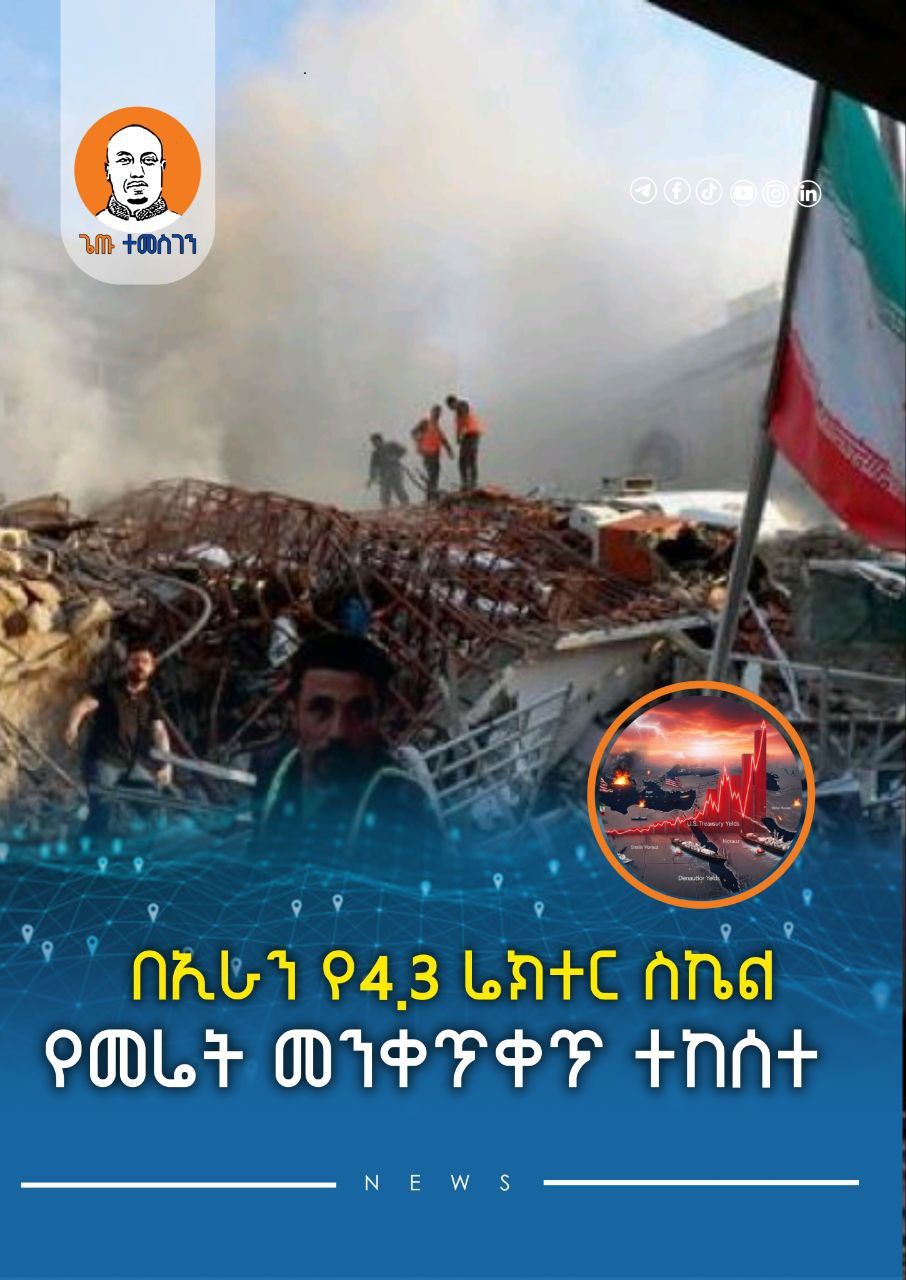
በኢራን የ4.3 ሬክተር ስኬል የመሬት መንቀጥቀጥ ተከሰተ
ሰው ሰራሸ ይሆን?
#ethiopia | ዛሬ ማክሰኞ በደቡብ ኢራን ፋርስ ግዛት ውስጥ በሚገኘው የገራሽ አካባቢ የ4.3 ሬክተር ስኬል የሆነ የመሬት መንቀጥቀጥ መከሰቱን የሀገሪቱ የጂኦ-ፊዚክስ ተቋማት እና ዓለም አቀፍ የጂኦሎጂ ጥናት ማዕከላት አስታውቀዋል።
ቁልፍ መረጃዎች
* የመጠን ልኬት፦ 4.3 ሬክተር ስኬል
* ጥልቀት፦ 10 ኪሎ ሜትር
* የተሰማበት ቦታ፦ የገራሽ ከተማ እና በአቅራቢያው ያሉ መንደሮች
የደረሰ ጉዳት አለ?
የኢራን ቀይ ጨረቃ ማኅበር
እንደገለጸው፣ እስካሁን ባለው መረጃ መሠረት በመሬት መንቀጥቀጡ ሳቢያ የሰው ሕይወት አልፏል ወይም ከፍተኛ የንብረት ውድመት ደርሷል የሚል ይፋዊ ሪፖርት አልቀረበም። ይሁን እንጂ የአደጋ ጊዜ ፈጣን ደራሽ ቡድኖች በገጠር መንደሮች ውስጥ ሊኖር የሚችለውን ስውር ጉዳት ለመፈተሽ በስምሪት ላይ ይገኛሉ።
የማኅበራዊ ሚዲያ መላምቶች እና ሳይንሳዊ ማረጋገጫዎች
ክስተቱ በኢራን እና በጎረቤት ሀገራት መካከል ከፍተኛ ወታደራዊ ውጥረት ባለበት ወቅት በመከሰቱ፣ በማኅበራዊ ሚዲያ ላይ "ሰው ሰራሽ ፍንዳታ ወይም ወታደራዊ ጥቃት ሳይሆን አይቀርም" የሚሉ መላምቶች ሲሰራጩ ውለዋል።
ሆኖም የጂኦሎጂ ተቋማት ባደረጉት ምርመራ፦
* ክስተቱ ከማንኛውም ወታደራዊ እንቅስቃሴ ወይም ሰው ሰራሽ ፍንዳታ ጋር ግንኙነት የሌለው መሆኑን፤
* ሙሉ በሙሉ ተፈጥሯዊ የሆነ የቴክቶኒክ እንቅስቃሴ መሆኑን በይፋ አረጋግጠዋል።
ቀጣይ ጥንቃቄዎች
አካባቢው በተፈጥሮው ለቴክቶኒክ እንቅስቃሴ ተጋላጭ መሆኑን ያስታወሱት ባለሙያዎች፣ ተከታታይ የድህረ-ንዝረት (Aftershocks) ስጋቶች ሊኖሩ ስለሚችሉ ህዝቡ አስፈላጊውን ጥንቃቄ እንዲያደርግ አሳስበዋል።
Getu Temesgen - (ጌጡ ተመስገን)
#getutemesgen #getu #ጌጡ #ኢራን #የመሬትመንቀጥቀጥ #የተፈጥሮአደጋ #ዜና #earthquake #iran #breakingnews
ሰው ሰራሸ ይሆን?
#ethiopia | ዛሬ ማክሰኞ በደቡብ ኢራን ፋርስ ግዛት ውስጥ በሚገኘው የገራሽ አካባቢ የ4.3 ሬክተር ስኬል የሆነ የመሬት መንቀጥቀጥ መከሰቱን የሀገሪቱ የጂኦ-ፊዚክስ ተቋማት እና ዓለም አቀፍ የጂኦሎጂ ጥናት ማዕከላት አስታውቀዋል።
ቁልፍ መረጃዎች
* የመጠን ልኬት፦ 4.3 ሬክተር ስኬል
* ጥልቀት፦ 10 ኪሎ ሜትር
* የተሰማበት ቦታ፦ የገራሽ ከተማ እና በአቅራቢያው ያሉ መንደሮች
የደረሰ ጉዳት አለ?
የኢራን ቀይ ጨረቃ ማኅበር
እንደገለጸው፣ እስካሁን ባለው መረጃ መሠረት በመሬት መንቀጥቀጡ ሳቢያ የሰው ሕይወት አልፏል ወይም ከፍተኛ የንብረት ውድመት ደርሷል የሚል ይፋዊ ሪፖርት አልቀረበም። ይሁን እንጂ የአደጋ ጊዜ ፈጣን ደራሽ ቡድኖች በገጠር መንደሮች ውስጥ ሊኖር የሚችለውን ስውር ጉዳት ለመፈተሽ በስምሪት ላይ ይገኛሉ።
የማኅበራዊ ሚዲያ መላምቶች እና ሳይንሳዊ ማረጋገጫዎች
ክስተቱ በኢራን እና በጎረቤት ሀገራት መካከል ከፍተኛ ወታደራዊ ውጥረት ባለበት ወቅት በመከሰቱ፣ በማኅበራዊ ሚዲያ ላይ "ሰው ሰራሽ ፍንዳታ ወይም ወታደራዊ ጥቃት ሳይሆን አይቀርም" የሚሉ መላምቶች ሲሰራጩ ውለዋል።
ሆኖም የጂኦሎጂ ተቋማት ባደረጉት ምርመራ፦
* ክስተቱ ከማንኛውም ወታደራዊ እንቅስቃሴ ወይም ሰው ሰራሽ ፍንዳታ ጋር ግንኙነት የሌለው መሆኑን፤
* ሙሉ በሙሉ ተፈጥሯዊ የሆነ የቴክቶኒክ እንቅስቃሴ መሆኑን በይፋ አረጋግጠዋል።
ቀጣይ ጥንቃቄዎች
አካባቢው በተፈጥሮው ለቴክቶኒክ እንቅስቃሴ ተጋላጭ መሆኑን ያስታወሱት ባለሙያዎች፣ ተከታታይ የድህረ-ንዝረት (Aftershocks) ስጋቶች ሊኖሩ ስለሚችሉ ህዝቡ አስፈላጊውን ጥንቃቄ እንዲያደርግ አሳስበዋል።
Getu Temesgen - (ጌጡ ተመስገን)
#getutemesgen #getu #ጌጡ #ኢራን #የመሬትመንቀጥቀጥ #የተፈጥሮአደጋ #ዜና #earthquake #iran #breakingnews

5 months ago
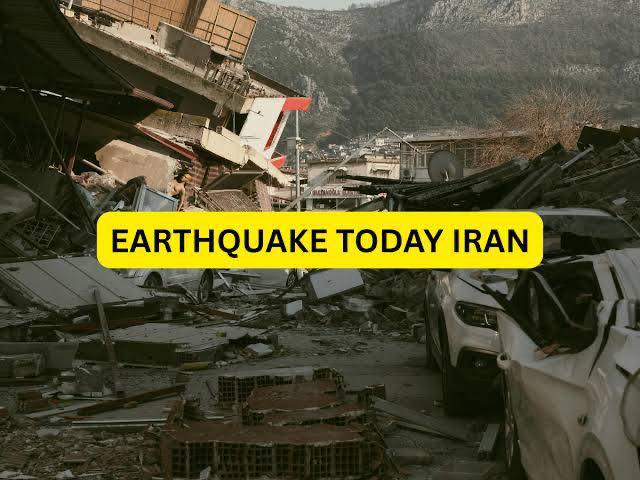
🚨 ሰበር ዜና፡ በኢራን የመሬት መንቀጥቀጥ ተከሰተ ምክኒያቱ የኒውክሌር ሙከራ ውጤት ይሆን? 🌍
የኔታ ሚዲያ
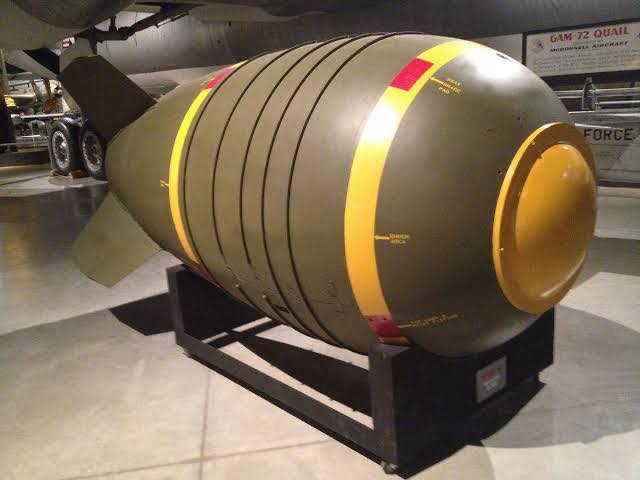
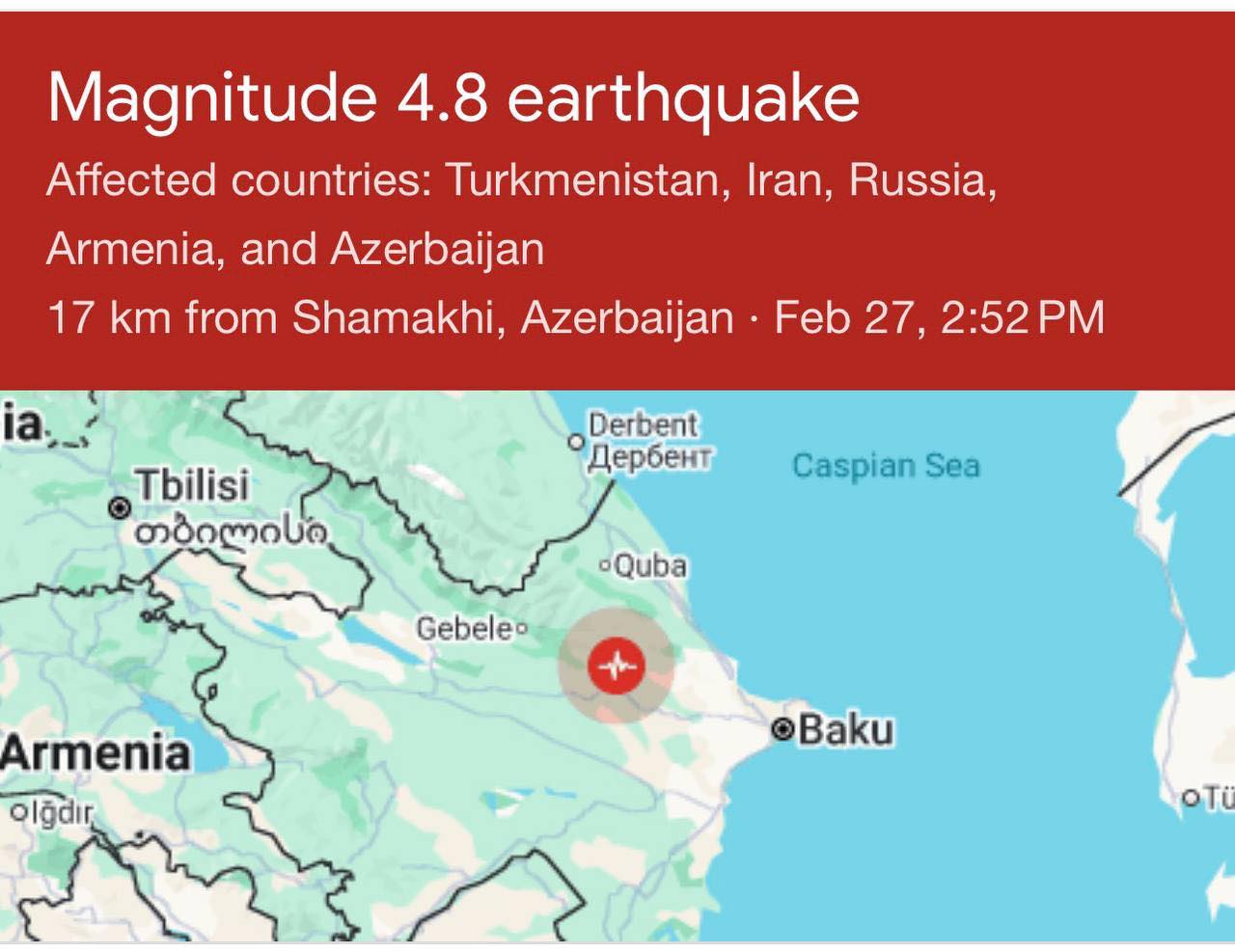
በደቡባዊ ኢራን የደረሰውን የሬክተር ስኬል 4.3 የመሬት መንቀጥቀጥ ተከትሎ በአለም አቀፍ ደረጃ ከፍተኛ መነጋገሪያ ሆኗል መንቀጥቀጡ የተከሰተው አሜሪካና እስራኤል በኢራን ላይ ጥቃት እያደረሱ ባሉበት ወቅት መሆኑ ኢራን የከርሰ-ምድር የኒውክሌር ሙከራ አድርጋ ይሆን?" የሚሉ ጥርጣሬዎችን አስነስቷል።
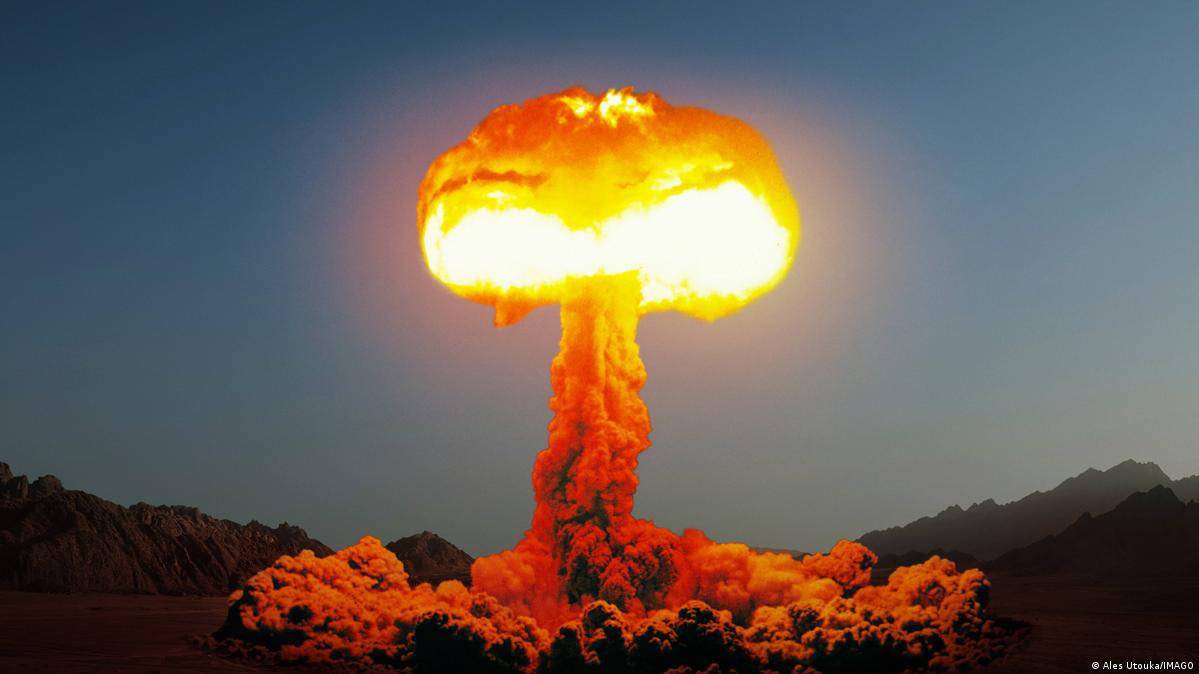
🤔 የኒውክሌር ሙከራ መሬት ሊያንቀጥቅጥ ይችላል?
ሳይንሳዊ መረጃዎች እንደሚጠቁሙት ትላልቅ የከርሰ-ምድር የኒውክሌር ሙከራዎች የመሬት መንቀጥቀጥ (Seismic activity) ሊያስከትሉ ይችላሉ። ሆኖም በሰው ሰራሽ እና በተፈጥሮ መንቀጥቀጥ መካከል ግልጽ ልዩነቶች አሉ፡
ተፈጥሯዊ መንቀጥቀጥ ቀስ ብሎ የሚጀምር ሲሆን የኒውክሌር ፍንዳታ ግን በአንድ ጊዜ ከፍተኛ ኃይል ያለው ድንገተኛ ግፊት (Shockwave) ይፈጥራል።
የኒውክሌር ሙከራዎች ብዙውን ጊዜ መሬት ላይ ቅርብ ናቸው የዛሬው የኢራን መንቀጥቀጥ ግን በ10 ኪ.ሜ ጥልቀት ላይ የተመዘገበ ነው።
ከኒውክሌር ሙከራ ባሻገር ክስተቱ ከሚከተሉት ምክንያቶች አንዱ ሊሆን እንደሚችል ባለሙያዎች ይገምታሉ
* የተፈጥሮ ክስተት፦ ኢራን በዋና ዋና የምድር ንጣፎች (Tectonic plates) መገናኛ ላይ የምትገኝ በመሆኗ መሰል መንቀጥቀጦች በተደጋጋሚ ይከሰታሉ።
* የከርሰ-ምድር ወታደራዊ ፍንዳታ
በጦርነቱ ሳቢያ ጥልቅ የሆኑ የጦር መሣሪያ ማከማቻዎች ወይም የከርሰ-ምድር ምሽጎች በከባድ ቦምቦች (Bunker busters) ሲመቱ ተመሳሳይ ንዝረት ሊፈጥሩ ይችላሉ።
አንዳንድ ተንታኞች ኢራን "የኒውክሌር አቅም አለኝ" የሚል ስውር መልዕክት ለማስተላለፍ ሆን ብላ ያደረገችው ሙከራ ሊሆን እንደሚችል ይጠረጥራሉ።
በአሁኑ ሰዓት የአለም አቀፍ የአቶሚክ ኢነርጂ ኤጀንሲ (IAEA) እና የጂኦሎጂ ተመራማሪዎች ንዝረቱ ሰው ሰራሽ ይሁን ተፈጥሯዊ በትኩረት እየመረመሩት ይገኛሉ እስካሁን በይፋ "የኒውክሌር ሙከራ ነው" የሚል ማረጋገጫ ባይሰጥም የጊዜው አጋጣሚ ግን ጥርጣሬውን ከፍ አድርጎታል።
#iran #earthquake #nucleartest #middleeastupdate #breakingnews #science #politics
የኔታ ሚዲያ
በደቡባዊ ኢራን የደረሰውን የሬክተር ስኬል 4.3 የመሬት መንቀጥቀጥ ተከትሎ በአለም አቀፍ ደረጃ ከፍተኛ መነጋገሪያ ሆኗል መንቀጥቀጡ የተከሰተው አሜሪካና እስራኤል በኢራን ላይ ጥቃት እያደረሱ ባሉበት ወቅት መሆኑ ኢራን የከርሰ-ምድር የኒውክሌር ሙከራ አድርጋ ይሆን?" የሚሉ ጥርጣሬዎችን አስነስቷል።
🤔 የኒውክሌር ሙከራ መሬት ሊያንቀጥቅጥ ይችላል?
ሳይንሳዊ መረጃዎች እንደሚጠቁሙት ትላልቅ የከርሰ-ምድር የኒውክሌር ሙከራዎች የመሬት መንቀጥቀጥ (Seismic activity) ሊያስከትሉ ይችላሉ። ሆኖም በሰው ሰራሽ እና በተፈጥሮ መንቀጥቀጥ መካከል ግልጽ ልዩነቶች አሉ፡
ተፈጥሯዊ መንቀጥቀጥ ቀስ ብሎ የሚጀምር ሲሆን የኒውክሌር ፍንዳታ ግን በአንድ ጊዜ ከፍተኛ ኃይል ያለው ድንገተኛ ግፊት (Shockwave) ይፈጥራል።
የኒውክሌር ሙከራዎች ብዙውን ጊዜ መሬት ላይ ቅርብ ናቸው የዛሬው የኢራን መንቀጥቀጥ ግን በ10 ኪ.ሜ ጥልቀት ላይ የተመዘገበ ነው።
ከኒውክሌር ሙከራ ባሻገር ክስተቱ ከሚከተሉት ምክንያቶች አንዱ ሊሆን እንደሚችል ባለሙያዎች ይገምታሉ
* የተፈጥሮ ክስተት፦ ኢራን በዋና ዋና የምድር ንጣፎች (Tectonic plates) መገናኛ ላይ የምትገኝ በመሆኗ መሰል መንቀጥቀጦች በተደጋጋሚ ይከሰታሉ።
* የከርሰ-ምድር ወታደራዊ ፍንዳታ
በጦርነቱ ሳቢያ ጥልቅ የሆኑ የጦር መሣሪያ ማከማቻዎች ወይም የከርሰ-ምድር ምሽጎች በከባድ ቦምቦች (Bunker busters) ሲመቱ ተመሳሳይ ንዝረት ሊፈጥሩ ይችላሉ።
አንዳንድ ተንታኞች ኢራን "የኒውክሌር አቅም አለኝ" የሚል ስውር መልዕክት ለማስተላለፍ ሆን ብላ ያደረገችው ሙከራ ሊሆን እንደሚችል ይጠረጥራሉ።
በአሁኑ ሰዓት የአለም አቀፍ የአቶሚክ ኢነርጂ ኤጀንሲ (IAEA) እና የጂኦሎጂ ተመራማሪዎች ንዝረቱ ሰው ሰራሽ ይሁን ተፈጥሯዊ በትኩረት እየመረመሩት ይገኛሉ እስካሁን በይፋ "የኒውክሌር ሙከራ ነው" የሚል ማረጋገጫ ባይሰጥም የጊዜው አጋጣሚ ግን ጥርጣሬውን ከፍ አድርጎታል።
#iran #earthquake #nucleartest #middleeastupdate #breakingnews #science #politics

9 months ago
Rare earths & environmental cost
By Assadullah Channa
Pakistan is entering a critical phase in its resource development strategy.
Beneath its mountainous terrain lies a vast reserve of rare earth elements (REEs), estimated to be worth between $6 to $8 trillion. These minerals are essential to the global supply chain for technologies such as smartphones, electric vehicles, renewable energy systems and advanced defense equipment. Their discovery has generated significant interest from both domestic policymakers and international investors. Yet, as the country races to unlock this potential, it risks plunging headlong into an environmental catastrophe of staggering proportions. This rapid push toward extraction has raised important questions about the adequacy of environmental safeguards and whether current governance systems can manage the long-term impacts of large-scale resource development. Without careful planning and oversight, the benefits of rare earth mining could be overshadowed by lasting ecological and social costs.
Recent geochemical mapping, conducted jointly by the Geological Survey of Pakistan and the China Geological Survey, has revealed extensive concentrations of REEs across nearly 360,000 square kilometers of Pakistani territory. These deposits, primarily found in carbonatite-related formations, represent not just economic opportunity but ecological peril. For every ton of rare earths extracted, the process generates 2,000 tons of toxic waste, including one ton of radioactive residue. This toxic arithmetic is not a footnote; it is the central equation of extraction—one that threatens to poison Pakistan’s soil, water and air for generations. Much of the exploratory work has been described as unscientific, random and insufficient. This knowledge gap means that decisions about extraction are being made without a full understanding of the environmental consequences. Eight strategic sites in Khyber Pakhtunkhwa, stretching from Mansehra to the Pakistan-Afghanistan border, have been earmarked for exploration. Drilling operations at Mashkichah in District Chagai are already underway, but the environmental implications raise serious concerns about transparency and accountability.
Pakistan’s ecological foundation seems fragile. The country faces one of the world’s most severe water crises, with over 60 percent of Balochistan’s population lacking access to safe drinking water. Groundwater depletion is accelerating and arsenic contamination in aquifers has reached dangerous levels. Rare earth processing, which requires massive volumes of water—up to 500,000 gallons per ton of lithium extracted—will place enormous strain on these already stressed resources. The competition for water between mining operations and local communities will be fierce and, in many cases, devastating. Contaminated aquifers can remain unusable for decades, wiping out agricultural potential in rural areas. The town of Talaap in Balochistan offers a grim preview of what lies ahead. For years, it has supplied water to the Saindak copper-gold project, yet its own residents have seen little benefit. The expansion of rare earth extraction threatens to replicate this pattern across multiple provinces, draining resources while delivering profits elsewhere.
The health consequences of rare earth exposure are equally alarming. REEs are known to cause cancer, cardiovascular damage, respiratory failure and neurological disorders. These elements disrupt fundamental biological processes, affecting multiple organ systems and compromising immune, reproductive and nervous functions. The burden of this environmental violence falls disproportionately on the most vulnerable and those with limited access to healthcare. Compounding these risks is Pakistan’s seismic vulnerability. The 2005 Kashmir earthquake was a stark reminder of the region’s tectonic instability. Balochistan continues to experience regular seismic activity, posing a direct threat to mining infrastructure. Rare earth extraction requires massive tailings dams to store radioactive waste and toxic chemicals. These structures, even under ideal conditions, are prone to failure.
Pakistan’s mineral wealth is undeniable. It holds the world’s fifth-largest copper-gold reserves, the second-largest coal and salt reserves and 92 discovered minerals in total. Yet the sector contributes less than 2 percent to the national GDP. This extraction-without-development model ensures that Pakistan captures minimal value from its resources while bearing the full brunt of environmental and social costs. The Saindak mine generated $2 billion between 2002 and 2017, yet Balochistan remains the poorest province. Proposed contracts for rare earth projects allocate just 10 percent equity to local communities, while foreign partners claim up to 70 percent. This is neo-colonial resource extraction, refined and repackaged for the 21st century. External geopolitical pressure further affects Pakistan’s mineral policy. In April 2025, U.S. State Department official Eric Meyer visited Islamabad just before the rushed passage of the Balochistan Mines Act. The legislation, which centralized control over provincial minerals, was suspended after widespread protests.
The risks Pakistan faces from rare earth mining are not abstract; they are immediate, measurable and potentially irreversible. If extraction proceeds without proper safeguards, the country could face widespread contamination of its water sources, accumulation of radioactive waste and loss of arable land. These impacts won’t disappear when the mining ends; they will linger for decades, affecting public health, agriculture and access to clean water. Pakistan must make a critical decision: whether to pursue mineral wealth at any cost or to develop policies that balance economic opportunity with environmental protection and community welfare. The country’s long-term stability depends on whether it can move beyond short-term profits and invest in sustainable practices and scientific oversight. This isn’t just about reputation; it’s about resilience.
— The writer is an educator, based in Sindh.
(channaassadullah320gmail.com)
By Assadullah Channa
Pakistan is entering a critical phase in its resource development strategy.
Beneath its mountainous terrain lies a vast reserve of rare earth elements (REEs), estimated to be worth between $6 to $8 trillion. These minerals are essential to the global supply chain for technologies such as smartphones, electric vehicles, renewable energy systems and advanced defense equipment. Their discovery has generated significant interest from both domestic policymakers and international investors. Yet, as the country races to unlock this potential, it risks plunging headlong into an environmental catastrophe of staggering proportions. This rapid push toward extraction has raised important questions about the adequacy of environmental safeguards and whether current governance systems can manage the long-term impacts of large-scale resource development. Without careful planning and oversight, the benefits of rare earth mining could be overshadowed by lasting ecological and social costs.
Recent geochemical mapping, conducted jointly by the Geological Survey of Pakistan and the China Geological Survey, has revealed extensive concentrations of REEs across nearly 360,000 square kilometers of Pakistani territory. These deposits, primarily found in carbonatite-related formations, represent not just economic opportunity but ecological peril. For every ton of rare earths extracted, the process generates 2,000 tons of toxic waste, including one ton of radioactive residue. This toxic arithmetic is not a footnote; it is the central equation of extraction—one that threatens to poison Pakistan’s soil, water and air for generations. Much of the exploratory work has been described as unscientific, random and insufficient. This knowledge gap means that decisions about extraction are being made without a full understanding of the environmental consequences. Eight strategic sites in Khyber Pakhtunkhwa, stretching from Mansehra to the Pakistan-Afghanistan border, have been earmarked for exploration. Drilling operations at Mashkichah in District Chagai are already underway, but the environmental implications raise serious concerns about transparency and accountability.
Pakistan’s ecological foundation seems fragile. The country faces one of the world’s most severe water crises, with over 60 percent of Balochistan’s population lacking access to safe drinking water. Groundwater depletion is accelerating and arsenic contamination in aquifers has reached dangerous levels. Rare earth processing, which requires massive volumes of water—up to 500,000 gallons per ton of lithium extracted—will place enormous strain on these already stressed resources. The competition for water between mining operations and local communities will be fierce and, in many cases, devastating. Contaminated aquifers can remain unusable for decades, wiping out agricultural potential in rural areas. The town of Talaap in Balochistan offers a grim preview of what lies ahead. For years, it has supplied water to the Saindak copper-gold project, yet its own residents have seen little benefit. The expansion of rare earth extraction threatens to replicate this pattern across multiple provinces, draining resources while delivering profits elsewhere.
The health consequences of rare earth exposure are equally alarming. REEs are known to cause cancer, cardiovascular damage, respiratory failure and neurological disorders. These elements disrupt fundamental biological processes, affecting multiple organ systems and compromising immune, reproductive and nervous functions. The burden of this environmental violence falls disproportionately on the most vulnerable and those with limited access to healthcare. Compounding these risks is Pakistan’s seismic vulnerability. The 2005 Kashmir earthquake was a stark reminder of the region’s tectonic instability. Balochistan continues to experience regular seismic activity, posing a direct threat to mining infrastructure. Rare earth extraction requires massive tailings dams to store radioactive waste and toxic chemicals. These structures, even under ideal conditions, are prone to failure.
Pakistan’s mineral wealth is undeniable. It holds the world’s fifth-largest copper-gold reserves, the second-largest coal and salt reserves and 92 discovered minerals in total. Yet the sector contributes less than 2 percent to the national GDP. This extraction-without-development model ensures that Pakistan captures minimal value from its resources while bearing the full brunt of environmental and social costs. The Saindak mine generated $2 billion between 2002 and 2017, yet Balochistan remains the poorest province. Proposed contracts for rare earth projects allocate just 10 percent equity to local communities, while foreign partners claim up to 70 percent. This is neo-colonial resource extraction, refined and repackaged for the 21st century. External geopolitical pressure further affects Pakistan’s mineral policy. In April 2025, U.S. State Department official Eric Meyer visited Islamabad just before the rushed passage of the Balochistan Mines Act. The legislation, which centralized control over provincial minerals, was suspended after widespread protests.
The risks Pakistan faces from rare earth mining are not abstract; they are immediate, measurable and potentially irreversible. If extraction proceeds without proper safeguards, the country could face widespread contamination of its water sources, accumulation of radioactive waste and loss of arable land. These impacts won’t disappear when the mining ends; they will linger for decades, affecting public health, agriculture and access to clean water. Pakistan must make a critical decision: whether to pursue mineral wealth at any cost or to develop policies that balance economic opportunity with environmental protection and community welfare. The country’s long-term stability depends on whether it can move beyond short-term profits and invest in sustainable practices and scientific oversight. This isn’t just about reputation; it’s about resilience.
— The writer is an educator, based in Sindh.
(channaassadullah320gmail.com)

11 months ago
ያልተዘመረለት የኮርቻ ግድብ
#ethiopia | ከወንዙ ፍሰት አቅጣጫ አንፃር በስተግራ በኩል የሚገኝ የግድቡ ክፍል ነው። 5.2 ኪሎሜትር ርዝመት እና 50 ሜትር ከፍታ አለው። ግንባታው የተካሄደውም በአለት ሙሊት /Rock fill/ ሲሆን፤ ውሃው በሚተኛበት ገፁ በኩል ያለው ክፍሉ 30 ሳንቲ ሜትር ውፍረት ባለው ኮንክሪት ተለብጧል። ግድቡን ለመስራት 15 ሚሊዮን ሜትር ኪዩብ የዐለት ስብርባሪ ጥቅም ላይ ውሏል።
የኮርቻ ግድብ ዋና ጥቅም ከዋናው ግድብ ከ90 ሜትር በላይ ማለትም ከ590 masl አልፎ የሚሞላው ውሃ ከግድቡ ሾልኮ እንዳያመልጥ ለመያዝ ነው።
የኮርቻ ግድቡ አጠቃላይ የ grouting / ስርገት መከላከል ስራም ተሰርቶለታል። ጤንነቱን የሚቆጣጠር inspection gallery አለው። በ inspection gallery ውስጥም የግፊት / pressure ፣ የውሃ መጠን / water level ፣ የመሬት መንቀጥቀጥ / earthquake ፣ ...መለካት የሚችሉ መሣሪያዎች ተገጥመውለት የግድቡን ጤንነት ይቆጣጠሩበታል።
የኮርቻ ግድብ ምን ፋይዳ አለው?
የኮርቻ ግድብ ኃይል ለማመንጨት የተጠራቀመውን ውሃ አቅፎ የሚይዝ ነው።
ብዙም ያልተነገረለት የኮርቻ ግድብ ባይገነባ ኖሮ፣ የታላቁ የኢትዮጵያ ህዳሴ ግድብ አቅም ከታች ያስቀመጥኩት ነጥቦችን ይመሥል ነበር።
የዋና ግድብ ከፍታ 90 ሜትር / 590masl ላይ ይወሰን ነበር።
ግድቡ የማምነጨት አቅሙ 1400MW ብቻ ይሆን ነበር።
ዋናው ግድብ የሚይዘው ውሃ 16 ቢሊየን ሜትር ኪዩብ ላይ ብቻ ይወሰን ነበር።
የኮርቻ ግድቡ በመገንባቱ ምክንያት :-
የግድቡን ከፍታ ወደ 145 ሜትር / 645 masl ጨመረ።
ኃይል የማመንጨት አቅሙን ወደ 5150 ሜጋ ዋት አደገ።
ግድቡ የሚይዘውን ውሃ መጠን በአምስት አጥፍ ጨምሮ 74 ቢሊየን ሜትር ኪዩብ ከፍ አለ።
(ደቻሳ አንጋቻ)
#ethiopia | ከወንዙ ፍሰት አቅጣጫ አንፃር በስተግራ በኩል የሚገኝ የግድቡ ክፍል ነው። 5.2 ኪሎሜትር ርዝመት እና 50 ሜትር ከፍታ አለው። ግንባታው የተካሄደውም በአለት ሙሊት /Rock fill/ ሲሆን፤ ውሃው በሚተኛበት ገፁ በኩል ያለው ክፍሉ 30 ሳንቲ ሜትር ውፍረት ባለው ኮንክሪት ተለብጧል። ግድቡን ለመስራት 15 ሚሊዮን ሜትር ኪዩብ የዐለት ስብርባሪ ጥቅም ላይ ውሏል።
የኮርቻ ግድብ ዋና ጥቅም ከዋናው ግድብ ከ90 ሜትር በላይ ማለትም ከ590 masl አልፎ የሚሞላው ውሃ ከግድቡ ሾልኮ እንዳያመልጥ ለመያዝ ነው።
የኮርቻ ግድቡ አጠቃላይ የ grouting / ስርገት መከላከል ስራም ተሰርቶለታል። ጤንነቱን የሚቆጣጠር inspection gallery አለው። በ inspection gallery ውስጥም የግፊት / pressure ፣ የውሃ መጠን / water level ፣ የመሬት መንቀጥቀጥ / earthquake ፣ ...መለካት የሚችሉ መሣሪያዎች ተገጥመውለት የግድቡን ጤንነት ይቆጣጠሩበታል።
የኮርቻ ግድብ ምን ፋይዳ አለው?
የኮርቻ ግድብ ኃይል ለማመንጨት የተጠራቀመውን ውሃ አቅፎ የሚይዝ ነው።
ብዙም ያልተነገረለት የኮርቻ ግድብ ባይገነባ ኖሮ፣ የታላቁ የኢትዮጵያ ህዳሴ ግድብ አቅም ከታች ያስቀመጥኩት ነጥቦችን ይመሥል ነበር።
የዋና ግድብ ከፍታ 90 ሜትር / 590masl ላይ ይወሰን ነበር።
ግድቡ የማምነጨት አቅሙ 1400MW ብቻ ይሆን ነበር።
ዋናው ግድብ የሚይዘው ውሃ 16 ቢሊየን ሜትር ኪዩብ ላይ ብቻ ይወሰን ነበር።
የኮርቻ ግድቡ በመገንባቱ ምክንያት :-
የግድቡን ከፍታ ወደ 145 ሜትር / 645 masl ጨመረ።
ኃይል የማመንጨት አቅሙን ወደ 5150 ሜጋ ዋት አደገ።
ግድቡ የሚይዘውን ውሃ መጠን በአምስት አጥፍ ጨምሮ 74 ቢሊየን ሜትር ኪዩብ ከፍ አለ።
(ደቻሳ አንጋቻ)

Sponsored by
Surafel
Test AD
This is the Description.



Comments