

2 months ago
የፌደራል ፍርድ ቤት ፕሬዝዳንቶች እና የፌደራል ዳኞች አስተዳደር ጉባኤ ፥ የበጀት ፣ ፋይናንስ እና በህግ የተሰጣቸው አስተዳደር ስልጣን እስከ ምን ድረስ?
በኢትዮጵያ ህግ ማእቀፍ
መግቢያ እና የጹሁፉ አላማ #ethiopia | በዚህ ጹሁፍ ማንኛውም አካል ፣ ዜጋ ፣ እንዲረዳ የተፈለገው የፍርድ ቤቶች ግልጽ አሰራር ለፍርድ ቤቶች ያለማንም ጣልቃ ገብነት ነጻ ሆነ በተሰጣቸው ህገመንግስታዊ ስልጣን መሠረት ግልጽ ሆነው ነጻነት እና ተጠያቂነት በሰፈነበት መልኩ በፍርድ ቤቱ የሚሰሩ ዳኞች፣ እና ሌሎች ሰራተኞች መብቶቸቻቸው ግልጽ በሆነ መንገድ ተጠብቆላቸው በዚያው ልክ የተጠያቂነታቸውም አሰራር ግልጽ በሆነ መንገድ ታውቆ ፍርድ ቤት እንደ ፍርድ ቤት የሚጠበቅበትን ቁመና እንዲጠብቅ ለማስቻል ፣ የፍርድ ቤት ፕሬዝዳንቶችም ሆነ የፌደራል ዳኞች አስተዳደር ጉባኤ በተሰጠው ስልጣን መሠረት ከበጀት አንስቶ ሌሎች አስተዳደራዊ ስልጣንን ሁሉም በህግ መሠረት ስልጣኑን ተጠቅሞ እንዲያገለግል ፍርድ ቤትም ከቆመለት አላማ አንጻር አመራሮች እና የዳኞች አስተዳደር ጉባኤ በህግ የተሰጣቸው ስልጣን ምን ምን እንደሆነና ይህንስ ካልተወጡ ያላቸው የህግ ተጠያቂነትና የእርምት እርምጃ እስከ ምን ድረስ እንደሆነ በዚህ ጹሁፍ በማስፈር ለማስገንዘብ ተፈልጓል። በማንበብ የህግ ግንዛቤዎን ያሳድጉ።
1. የፌደራል ዳኞች አስተዳደር ጉባኤ ስልጣን
በፌደራል ዳኞች አስተዳደር ጉባኤ አዋጅ ቁጥር 1233/2013 አንቀጽ 6 መሠረት፣ ጉባኤው የፌደራል ፍርድ ቤቶች የዳኝነት ነጻነት፣ ገለልተኝነትና ብቃት እንዲረጋገጥ የሚያደርግ ከፍተኛው የአስተዳደር አካል ነው። ዝርዝር ሥልጣንና ኃላፊነቱ ዋና ዋናዎቹ የሚከተለው ሲሆን እነዚህም
1.1. የዳኞች ቅጥር፣ ምደባ እና ዕድገትየዕጩ ዳኞች ምርጫ፦ መስፈርቱን የሚያሟሉ የፌደራል ጠቅላይ፣ ከፍተኛ እና መጀመሪያ ደረጃ ፍርድ ቤት ዕጩ ዳኞችን መርምሮ ለሕዝብ ተወካዮች ምክር ቤት ለሹመት ያቀርባል።የሥራ ምደባና ዝውውር፦ የፌደራል ፍርድ ቤት ዳኞችን የሥራ ምደባ፣ ዝውውር እንዲሁም የዕድገት አሰጣጥ ሥርዓትን ይወስናል።
1.2. የዳኞች ጥቅማጥቅም እና የአገልግሎት ሁኔታየደመወዝ እና አበል ጥናት፦ የዳኞችን ነጻነት ለመጠበቅ የሚያስፈልጉ የደመወዝ፣ የአበልና ሌሎች ጥቅማጥቅሞች ጥናት አዘጋጅቶ ለሕዝብ ተወካዮች ምክር ቤት ያቀርባል።የጡረታ እና የጤና ዋስትና፦ የዳኞችን የጤና፣ የሕይወት ዋስትና እና የጡረታ አፈጻጸም መመሪያዎችን ያወጣል።
1.3.የሥነ-ምግባር ክትትልና የዲሲፕሊን እርምጃየሥነ-ምግባር ደንብ ማውጣት፦ ዳኞች ሊመሩበት የሚገባውን ጥብቅ የሥነ-ምግባር ደንብ ያወጣል።የክስ ምርመራ፦ በዳኞች ላይ የሚቀርቡ የዲሲፕሊን እና የሥነ-ምግባር ግድፈት ክሶችን መርምሮ የደመወዝ ቅጣት፣ ከሥራ ማገድ ወይም ሙሉ በሙሉ ከዳኝነት ሙያ እንዲሰናበቱ ለሕዝብ ተወካዮች ምክር ቤት የውሳኔ ሐሳብ ያቀርባል።
1.4.ተቋማዊ ፖሊሲ እና ስትራቴጂየግንኙነት መመሪያዎች፦ ፍርድ ቤቶች ከሌሎች የመንግሥት አካላትና ባለድርሻ አካላት ጋር ሊኖራቸው የሚገባውን ተቋማዊ ግንኙነት እና የአሠራር ፖሊሲ ያጸድቃል።
በፌደራል ፍርድ ቤቶች አዋጅ ቁጥር 1234/2013 አንቀጽ 16 መሠረት፣
2. የፌደራል ጠቅላይ ፍርድ ቤት ፕሬዝዳንት ስልጣን
የፌደራል ጠቅላይ ፍርድ ቤት ፕሬዝዳንት የፌደራል የዳኝነት አካል የበላይ ኃላፊ ሲሆን፣ የሁሉንም የፌደራል ፍርድ ቤቶች (ጠቅላይ፣ ከፍተኛ እና መጀመሪያ ደረጃ) የዳኝነትና የአስተዳደር ሥራዎች በበላይነት የመምራትና የማስተዳደር ሥልጣን አለው።ዝርዝር ሥልጣንና ኃላፊነቱ የሚከተለው ነው፦
2.1. የተቋማዊ ውክልና እና የሪፖርት አቀራረብ ሥልጣንመንግሥታዊ ውክልና፦ የፌደራል የዳኝነት አካልን በበላይነት በመወከል ከሕዝብ ተወካዮች ምክር ቤት፣ ከአስፈጻሚ አካላት እና ከውጭ አገራት ጋር ግንኙነት ያደርጋል።የፌደራል ፍርድ ቤቶችን አጠቃላይ የሥራ አፈጻጸም ሪፖርት አዘጋጅቶ በየዓመቱ ለሕዝብ ተወካዮች ምክር ቤት ያቀርባል። የበታች ፍርድ ቤት ፕሬዝዳንቶችም ሪፖርታቸውን የሚያቀርቡት ለእርሱ ነው። የፌደራል ፍርድ ቤቶችን ዓመታዊ በጀት አዘጋጅቶ ለሕዝብ ተወካዮች ምክር ቤት ያቀርባል፤ ሲፈቀድም ለበታች ፍርድ ቤቶች የበጀት ድልድል ያደርጋል።
2.2 የዳኝነትና የአሠራር የበላይነት ሥልጣንየችሎት ምደባ፦ በጠቅላይ ፍርድ ቤት ስር የሰበር፣ የይግባኝ እና የመጀመሪያ ደረጃ ችሎቶችን ያደራጃል፤ ዳኞችንም በየችሎቱ ይመድባል።የአሠራር ወጥነት፦ በየደረጃው ባሉ የፌደራል ፍርድ ቤቶች ፈጣን፣ ቀልጣፋና ተደራሽ የዳኝነት አገልግሎት መሰጠቱን ይከታተላል፤ መመሪያዎችንና ስትራቴጂዎችን ያወጣል።
2.3. የዳኞች አስተዳደር ጉባኤ ሰብሳቢነትየፌደራል ዳኞች አስተዳደር ጉባኤ ሰብሳቢ በመሆን የዳኞችን ቅጥር፣ ምደባ፣ ዝውውር፣ ጥቅማጥቅም እና የሥነ-ምግባር ክስ መመርመር ሥራዎችን በበላይነት ይመራል።
3. የፌደራል ከፍተኛ ፍርድ ቤት ስልጣን
በፌደራል ፍርድ ቤቶች አዋጅ ቁጥር 1234/2013 አንቀጽ 17 መሠረት፣ የፌደራል ከፍተኛ ፍርድ ቤት ፕሬዝዳንት የፍርድ ቤቱን የዳኝነት እና የአስተዳደር ሥራዎች በበላይነት የመምራትና የማስተዳደር ሥልጣን አለው። ዝርዝር ሥልጣንና ኃላፊነቱ የሚከተለው ሲሆን እነዚህም
3.1. የዳኝነት ሥራዎችን ማደራጀትና መምራትችሎቶችን ማደራጀት፦ በፍርድ ቤቱ ስር ያሉትን የወንጀል፣ የፍትሐብሔር፣ የንግድና የሠራተኛ ችሎቶች በዓይነትና በቁጥር ያደራጃል።ዳኞችን መመደብ፦ የፍርድ ቤቱን ዳኞች በየችሎቶቹ ይመድባል፤ የሥራ ክፍፍል ያደርጋል።የሥራ አፈጻጸም መከታተል፦ የዳኝነት ሥራዎች በብቃት፣ በገለልተኝነትና ያለምክንያት መዘግየት መከናወናቸውን ያረጋግጣል።
3.2. የአስተዳደርና የፋይናንስ ሥልጣንበጀት ማስተዳደር፦ ለከፍተኛው ፍርድ ቤት የተፈቀደውን ዓመታዊ የሥራ ማስኬጃ በጀት በሥራ ላይ እንዲውል ይፈቅዳል፤ ያስተዳድራል።ሠራተኞችን መምራት፦ የፍርድ ቤቱን ሬጂስትራር፣ መዝገብ ቤት እና የድጋፍ ሰጪ የአስተዳደር ሠራተኞችን በበላይነት ይመራል፤ ይቆጣጠራል።
3.4. የተጠያቂነትና የሪፖርት ግዴታለጠቅላይ ፍርድ ቤት ሪፖርት ማቅረብ፦ የፍርድ ቤቱን የዳኝነትና የአስተዳደር የሥራ አፈጻጸም ሪፖርት አዘጋጅቶ ለፌደራል ጠቅላይ ፍርድ ቤት ፕሬዝዳንት ያቀርባል።የውስጥ ስብሰባዎችን መምራት፦ የፍርድ ቤቱን የውስጥ የአሠራር ግምገማና የኮሌጅየም ስብሰባዎችን ይጠራል፤ ይመራል።ቅሬታዎችን ማስተናገድ፦ በዳኞችና በሠራተኞች የሥነ-ምግባር አፈጻጸም ላይ ከተገልጋዩ ሕዝብ የሚቀርቡ አስተዳደራዊ ቅሬታዎችን መርምሮ ውሳኔ ይሰጣል፤ ወይም ለዳኞች አስተዳደር ጉባኤ ያስተላልፋል።
4. የፌደራል መጀመሪያ ደረጃ ፍርድ ቤት ፕሬዝደንት ስልጣን
በፌደራል ፍርድ ቤቶች አዋጅ ቁጥር 1234/2013 አንቀጽ 18 መሠረት፣
ፍርድ ቤቱን የማስተዳደር፣ የመምራትና የማስተናበር ሥልጣንና ኃላፊነት አለው። ዝርዝር ሥልጣኑ የሚከተለው ነው፦
4.1 የዳኝነት ሥራን ማደራጀት፦ በፍርድ ቤቱ ስር ያሉ ችሎቶችን ማደራጀት፣ ዳኞችን በየችሎቱ መመደብ እና የሥራ ክፍፍል ማድረግ።
4.2. በጀት ማስተዳደር፦ ለፍርድ ቤቱ የተፈቀደውን የሥራ ማስኬጃ በጀት በሥራ ላይ እንዲውል መፍቀድና ማስተዳደር።
4.3. አስተዳደራዊ ሠራተኞችን መምራት፦ የፍርድ ቤቱን መዝገብ ቤት፣ የሬጂስትራር ክፍል እና የድጋፍ ሰጪ አስተዳደር ሠራተኞችን በበላይነት መቆጣጠር።
4.4. የሥራ አፈጻጸም ሪፖርት ማቅረብ፦ የፍርድ ቤቱን የዳኝነትና የአስተዳደር የሥራ አፈጻጸም ሪፖርት አዘጋጅቶ ለፌደራል ጠቅላይ ፍርድ ቤት ፕሬዝዳንት ማቅረብ።ጉባኤና ስብሰባዎችን መምራት፦ የፍርድ ቤቱን ዳኞችና ሠራተኞች የውስጥ የሥራ ግምገማ ስብሰባዎችን መጥራትና መምራት።
4.5. ቅሬታዎችን መመርመር፦ በዳኞችና በሠራተኞች የአገልግሎት አሰጣጥ ላይ ከሕዝብ የሚቀርቡ አስተዳደራዊ ቅሬታዎችን ተቀብሎ ማስተካከል ወይም ለዳኞች አስተዳደር ጉባኤ ማስተላለፍ ዋና ዋናዎቹ ናቸው።
5. የፌደራል ፍርድ ቤቶች ከፍተኛ/መጀመሪያ ፍርድ ቤት/ጠቅላይ ፍርድ ቤት እና የፌደራል ዳኞች አስተዳደር ጉባኤ የስልጣን ወሰን እና ኃላፊነት
በኢትዮጵያ የፍትህ ሥርዓት እና በፌደራል ፍርድ ቤቶች አዋጅ ቁጥር 1234/2013 መሠረት፣ የፌደራል መጀመሪያ ደረጃ ፍርድ ቤት ከፌደራል ጠቅላይ ፍርድ ቤት ፈቃድ ውጪ በራሱ ሌሎች የመንግስት አካላትን ጠርቶ ስብሰባ የማካሄድ ሕጋዊ ሥልጣን የሌለው ሲሆን የፌደራል ጠቅላይ ፍርድ ቤት የፌደራል ፍርድ ቤቶችን በበላይነት የማስተዳደርና የመምራት ሕገ-መንግስታዊ ኃላፊነት አለበት።
( ሀ ) የፍርድ ቤቶች ፕሬዝዳንቶች የስልጣን ምንጭ ከኢፊድሪ ህገመንግስት እና ሌላ ህጎች መነሻ
5.1. የኢ.ፌ.ዲ.ሪ ሕገ-መንግሥት
አንቀጽ 79(1)፦ የዳኝነት ሥልጣን ሙሉ በሙሉ የፍርድ ቤቶች ብቻ መሆኑን ይደነግጋል።
አንቀጽ 80(1)፦ የፌደራል ጠቅላይ ፍርድ ቤት በፌደራል የዳኝነት አካላት ላይ የበላይነት ሥልጣን እንዳለው በግልጽ ያስቀምጣል።
5.2. የፌዴራል ፍርድ ቤቶች አዋጅ ቁጥር 1234/2013
የጠቅላይ ፍርድ ቤት ፕሬዝዳንት ሥልጣን፦ በአዋጁ መሠረት የፌደራል ጠቅላይ ፍርድ ቤት ፕሬዝዳንት የፌደራል ፍርድ ቤቶችን በበላይነት የማስተዳደር፣ የመምራት እና የውጭ ግንኙነቶችን የመወከል ሕጋዊ ኃላፊነት አለበት።
የበታች ፍርድ ቤቶች (ከፍተኛ እና መጀመሪያ ደረጃ) የተሰጣቸው ሥልጣን የዳኝነት ሥራን በችሎት ደረጃ ማከናወን ሲሆን፣ ከሌሎች የመንግሥት አካላት ጋር ራሳቸውን ችለው በጋራ መድረክ የማደራጀት ወይንም ፖሊሲ ነክ ስብሰባዎችን የመጥራት አስተዳደራዊ ሥልጣን አልተሰጣቸውም።
5.3. የፍርድ ቤቶች አስተዳደር ጉባኤ ሥርዓት
የፌደራል ፍርድ ቤቶች የጋራ አስተዳደራዊና የፖሊሲ ጉዳዮች የሚወሰኑት በፌደራል ጠቅላይ ፍርድ ቤት ሰብሳቢነት በሚመራው የፌደራል ዳኞች አስተዳደር ጉባኤ አማካኝነት ነው።
6. የፌደራል መጀመሪያና ከፍተኛ ፍርድ ቤት የስልጣን ኃላፊነት ወሰን
በኢትዮጵያ የፍትህ ሥርዓት እና በፌደራል ፍርድ ቤቶች አዋጅ ቁጥር 1234/2013 መሠረት፣ የፌደራል መጀመሪያ ደረጃ ፍርድ ቤት/ከፍተኛ ፍርድ ቤት ከፌደራል ጠቅላይ ፍርድ ቤት ፈቃድ ውጪ በራሳቸው ሌሎች የመንግስት አካላትን ጠርቶ ስብሰባ የማካሄድ ሕጋዊ ሥልጣን የላቸውም። የፌደራል ጠቅላይ ፍርድ ቤት የፌደራል ፍርድ ቤቶችን በበላይነት የማስተዳደርና የመምራት ሕገ-መንግስታዊ ኃላፊነት እንዳለበት መጠን ከውጭ ተቋማት ጋር አካላት ጋር የሚደረጉ ግንኙነቶች ስብሰባዎች በጠቅላይ ፍርድ ቤት በኩል ሲሆን ከዚህ ውጭ የሚደረጉ አካሄዶች ተጠያቂነትን የሚያስከትል ነው።
7. በስር ፍርድ ቤቶች ማለትም በፌደራል መጀመሪያና ከፍተኛ ፍርድ ቤት አስተዳደር የሚደረጉ የስልጣን ወሰን ማለፍ የሚያስከትለው ህጋዊ ተጠያቂነት ከህግ አግባብ
7.1. . የኢ.ፌ.ዲ.ሪ ሕገ-መንግሥት
አንቀጽ 79(1)፦ የዳኝነት ሥልጣን ሙሉ በሙሉ የፍርድ ቤቶች ብቻ መሆኑን ይደነግጋል።
አንቀጽ 80(1)፦ የፌደራል ጠቅላይ ፍርድ ቤት በፌደራል የዳኝነት አካላት ላይ የበላይነት ሥልጣን እንዳለው በግልጽ ያስቀምጣል።
7.2. የፌዴራል ፍርድ ቤቶች አዋጅ ቁጥር 1234/2013
የጠቅላይ ፍርድ ቤት ፕሬዝዳንት ሥልጣን፦ በአዋጁ መሠረት የፌደራል ጠቅላይ ፍርድ ቤት ፕሬዝዳንት የፌደራል ፍርድ ቤቶችን በበላይነት የማስተዳደር፣ የመምራት እና የውጭ ግንኙነቶችን የመወከል ሕጋዊ ኃላፊነት አለበት።
7.3. የመጀመሪያ ደረጃ እና ከፍተኛ ፍርድ ቤት ወሰን፦ የበታች ፍርድ ቤቶች (ከፍተኛ እና መጀመሪያ ደረጃ) የተሰጣቸው ሥልጣን የዳኝነት ሥራን በችሎት ደረጃ ማከናወን ብቻ ሲሆን፣ ከሌሎች የመንግሥት አካላት ጋር ራሳቸውን ችለው በጋራ መድረክ የማደራጀት ወይንም ፖሊሲ ነክ ስብሰባዎችን የመጥራት አስተዳደራዊ ሥልጣን አልተሰጣቸውም።
7.4. የፍርድ ቤቶች አስተዳደር ጉባኤ ሥርዓት
የፌደራል ፍርድ ቤቶች የጋራ አስተዳደራዊና የፖሊሲ ጉዳዮች የሚወሰኑት በፌደራል ጠቅላይ ፍርድ ቤት ሰብሳቢነት በሚመራው የፌደራል ዳኞች አስተዳደር ጉባኤ አማካኝነት ነው።
8. የፌደራል መጀመሪያ ደረጃ ፍርድ ቤት ያለ ፌደራል ጠቅላይ ፍርድ ቤት ወይም ያለ ዳኞች አስተዳደር ጉባኤ ፈቃድ እና ዕውቅና የውጭ የመንግሥት አካላትን ሰብስቦ "የሥራ አፈጻጸም ግምገማ" ወይም "ሪፖርት" ማቅረብ የማይችልባቸው ዝርዝር፣ የፋይናንስ እና የኦዲት ህግ መሠረቶች የሚከተሉት ናቸው፡
8.1. የአስተዳደራዊ እና የሪፖርት አቀራረብ ሕግ መሠረት
የፌደራል ፍርድ ቤቶች አዋጅ ቁጥር 1234/2013 አንቀጽ 16፡ የፌደራል ጠቅላይ ፍርድ ቤት ፕሬዝዳንት የፌደራል ፍርድ ቤቶችን በበላይነት የማስተዳደር እና የመወከል ሥልጣን አለው። የበታች ፍርድ ቤቶች (ከፍተኛ እና መጀመሪያ ደረጃ) ሪፖርት የማቅረብ ግዴታቸው ለጠቅላይ ፍርድ ቤት ፕሬዝዳንት ብቻ ነው።
8.2.አዋጅ ቁጥር 1234/2013 አንቀጽ 18 እና 19፡ የመጀመሪያ ደረጃ እና ከፍተኛ ፍርድ ቤት ፕሬዝዳንት የፍርድ ቤቱን የሥራ አፈጻጸም ሪፖርት አዘጋጅቶ የሚያቀርበው ለፌደራል ጠቅላይ ፍርድ ቤት ፕሬዝዳንት እንጂ በቀጥታ ለሌሎች አስፈጻሚ አካላት ወይም ለሕዝብ ተወካዮች ምክር ቤት አይደለም።
8.3. የሕገ-መንግሥቱ አንቀጽ 80፡ የፌደራል ፍርድ ቤቶችን የጋራ ሪፖርት ለሕዝብ ተወካዮች ምክር ቤት የማቅረብ ሕገ-መንግሥታዊ ሥልጣን የፌደራል ጠቅላይ ፍርድ ቤት ብቻ መሆኑን ያስቀምጣል።
8.5 የፋይናንስ እና የበጀት ሕግ መሠረት (Financial & Budgetary Laws)
የኢፌዲሪ የፌደራል መንግሥት የፋይናንስ አስተዳደር አዋጅ ቁጥር 648/2001፡
ፍርድ ቤቱ የሚጠቀምበት በጀት "የመንግሥት ገንዘብ" በመሆኑ ለማንኛውም ወጪ (ለስብሰባ አዳራሽ ኪራይ፣ ለአበል፣ ለምግብ እና መስተንግዶ) የተመደበው በጀት አስቀድሞ በታቀደው የሥራ ፕሮግራም መሠረት መሆን አለበት።
ያለ ጠቅላይ ፍርድ ቤት ዕውቅና የተደረገ ስብሰባ በበጀት ዕቅድ (Action Plan) ውስጥ የማይካተት በመሆኑ፣ ለዚህ የሚወጣው ወጪ ያለአግባብ የተደረገ ወጪ (Unauthorized Expenditure) ተብሎ ይፈረጃል።
የፌደራል የፋይናንስ መመሪያ ቁጥር 17/2002፡ ማንኛውም የመንግሥት መሥሪያ ቤት ከበጀት በላይ ወይም ከተፈቀደው ዓላማ ውጪ ወጪ ማድረግን ይከለክላል።
8.6.. የኦዲት አሠራር እና ተጠያቂነት (Audit & Accountability)
የፌደራል ዋና ኦዲተር መሥሪያ ቤት ማቋቋሚያ አዋጅ ቁጥር 982/2008 (ማሻሻያ 1256/2013)፡
የስራ አፈጻጸም ኦዲት (Performance or operational Audit)፦ ፍርድ ቤቱ ያካሄደው ስብሰባ ከሕጋዊ ተልእኮው (የዳኝነት ሥራ) ውጪ ከሆነ በኦዲት ወቅት "የሕጋዊነትና የቁጠባ መርህን ያልጠበቀ (Irregular Expenditure)" ተብሎ ይመዘገባል።
የፋይናንስ ኦዲት፦ ለስብሰባው የወጣው የገንዘብ ክፍያ የላይኛው የአስተዳደር አካል (የጠቅላይ ፍርድ ቤት/የጉባኤው) ፈቃድና የድጋፍ ሰነድ (Supporting Documents) ስለማይኖረው የኦዲት ግኝት (Audit Finding) ሆኖ ይያዛል። ይህ ደግሞ በገንዘብ ያዥና ፈቃጅ ላይ አስተዳደራዊና የወንጀል ተጠያቂነት ሊያስከትል ይችላል።
8.7. . የዳኞች አስተዳደር ጉባኤ አዋጅ ቁጥር 1233/2013
ፍርድ ቤቶች ከሌሎች ባለድርሻ አካላት ጋር ያላቸውን ግንኙነት የሚመራው ይህ ጉባኤ ነው። ፍርድ ቤቱ ራሱን ችሎ ከሌሎች አስፈጻሚ አካላት ጋር መድረክ መፍጠሩ የዳኝነት ነጻነትን (Judicial Independence) ሊያናጋ የሚችል በመሆኑ በጉባኤው የሥነ-ምግባር ደንብ መሠረት እንደ ጥፋት ሊቆጠር ይችላል።
9.. የፌደራል ፍርድ ቤት ፕሬዝዳንቶች አስተዳደራዊ ጉድለት ወይም ስልጣንን አላግባብ መጠቀም እስከ ተጠያቂነት
በፌደራል ዋና ኦዲተር መሥሪያ ቤት ማቋቋሚያ አዋጅ ቁጥር 982/2008 (በአዋጅ ቁጥር 1146/2011 እና 1256/2013 በተሻሻለው) መሠረት፣ ሕገ-ወጥ የፋይናንስ ወጪ ማድረግ ወይም የኦዲት ግኝትን አለማስተካከል የሚከተሉትን ከባድ የቅጣትና የተጠያቂነት እርምጃዎች ያስከትላል።
9.1. አስተዳደራዊ እና የሥራ ኃላፊነት እርምጃዎች የበጀት ዕገዳ (Budget Withholding)፦
ኦዲት የተደረገው ተቋም (ፍርድ ቤቱ) የኦዲት ግኝቶችን ካላስተካከለ፣ ዋና ኦዲተሩ ለገንዘብ ሚኒስቴር በማሳወቅ የፍርድ ቤቱን የበጀት ድልድል ሙሉ በሙሉ ወይም በከፊል እንዲታገድ የማድረግ ሥልጣን አለው።ከሥራ ማገድ እና ከኃላፊነት ማንሳት፦ የሕግ ጥሰቱን በፈጸሙትና ወጪውን በፈቀዱት የፍርድ ቤት ኃላፊዎች (ፕሬዝዳንት፣ ምክትል ፕሬዝዳንት ወይም የፋይናንስ ዳይሬክተር) ላይ አስተዳደራዊ እርምጃ እንዲወሰድ ለሕዝብ ተወካዮች ምክር ቤት እና ለበላይ አካል (ለጠቅላይ ፍርድ ቤት/ለዳኞች አስተዳደር ጉባኤ) ሪፖርት ይደረጋል።
9.2. የገንዘብ መመለስ ግዴታ (Surcharge) በግል ንብረት የመጠየቅ ኃላፊነት፦
ያለአግባብ፣ ያለ በላይ አካል ዕውቅና እና ከተፈቀደው ዓላማ ውጪ ለስብሰባ የወጣው የመንግሥት ገንዘብ "ያለአግባብ የተደረገ ወጪ" (Financial Irregularity) ተብሎ ይመዘገባል። ይህንን ወጪ የፈቀዱትና የከፈሉት ኃላፊዎች በራሳቸው የግል ገንዘብና ንብረት ለሀገር ውስጥ ገቢ ወይም ለመንግሥት ካዝና እንዲመልሱ ይገደዳሉ።
9.3. የወንጀል ተጠያቂነት እና የእስራት ቅጣት በተመለከተ
ዋና ኦዲተሩ ግኝቶቹን በቀጥታ ለፍትሕ ሚኒስቴር ወይም ለፌደራል የሥነ-ምግባርና ፀረ-ሙስና ኮሚሽን ያስተላልፋል። ይህ ሲሆን የወንጀል ተጠያቂነትን ሊያስከትል ይችላል።
9.3.1. የወንጀል ህግ ተጠያቂነት
በወንጀል ሕጉና በሙስና ወንጀል አዋጅ መሠረት፦ሰነድ ባለማቅረብ ወይም ኦዲትን በማደናቀፍ፦ ለኦዲት ምርመራ የሚያስፈልጉ ሰነዶችን (የበላይ አካል ፈቃድ፣ የውሳኔ ሐሳብ) አዘጋጅቶ አለማቅረብ ወይም የኦዲት ሥራን ማደናቀፍ ከ3 እስከ 5 ዓመት በሚደርስ ጽኑ እስራት ያስቀጣል።
ሥልጣንን ያለአግባብ በመገልገል። (Abuse of Power)፦ ከተሰጠው ሕጋዊ የሥልጣን ወሰን ውጪ የመንግሥትን በጀት ላልታለመለት ዓላማ ማዋል በሙስና ወንጀል የሚያስጠይቅ ሲሆን፣ እንደ ጥፋቱ ክብደት ከ5 እስከ 15 ዓመት በሚደርስ ጽኑ እስራት እና ከፍተኛ የገንዘብ መቀጮ ያስከትላል።
10. የፌደራል ፍርድ ቤቶች የብዙኀን መገናኛ ሚዲያ ግንኙነት በተመለከተ..
በኢፌዲሪ የሕግ ሥርዓት መሠረት፣ የፌደራል መጀመሪያ ደረጃም ሆነ ከፍተኛ ፍርድ ቤት ፕሬዝዳንትም ሆነ አመራር፣ ያለ ፌደራል ጠቅላይ ፍርድ ቤት ፕሬዝዳንት ወይም ያለ ዳኞች አስተዳደር ጉባኤ ፈቃድና ዕውቅና፣ ራሳቸውን ችለው ከቴሌቪዥንና ከዩቲዩብ (YouTube) ሚዲያዎች ጋር የመገናኛ ዘዴዎችን የመፍጠርም ሆነ ውል የመዋዋል ሕጋዊ ሥልጣን የላቸውም።ይህንን ለማድረግ የማይችሉበት ዝርዝር የሕግና የውል መሠረት እንደሚከተለው ተለይቷል፦
10.1. የሚዲያ ግንኙነትን የተመለከተ የሕግ መሠረትየተቋማዊ ውክልና ወሰን (አዋጅ ቁጥር 1234/2013 አንቀጽ 16)፦
ሙሉውን የፌደራል የዳኝነት አካል ወክሎ ከማንኛውም የውጭ አካል፣ ከማኅበረሰብ እና ከሚዲያ ጋር ግንኙነት የማድረግ ሥልጣን የፌደራል ጠቅላይ ፍርድ ቤት ፕሬዝዳንት ብቻ ነው። የበታች ፍርድ ቤቶች ይህንን ተቋማዊ የኮሚኒኬሽን መዋቅር የመጣስ መብት የላቸውም።
የመጀመሪያ ደረጃ ፍርድ ቤት ሥልጣን (አንቀጽ 17እና 18)፦ የመጀመሪያ ደረጃ እና ከፍተኛ ፍርድ ቤት ፕሬዝዳንት የተሰጠው ሥልጣን የፍርድ ቤቱን የውስጥ አስተዳደርና የዳኝነት ሥራ መምራት ብቻ ነው። ራሱን የቻለ የሚዲያ ፖሊሲ ወይም የሕዝብ ግንኙነት ዘመቻ የመቅረጽ ሥልጣን አስመልክቶም ስልጣን አልተሰጠውም።የዳኝነት ነጻነትና ሥነ-ምግባር (አዋጅ ቁጥር 1233/2013)፦ ዳኞችም ሆኑ የፍርድ ቤት አመራሮች ያለ በላይ አካል ቁጥጥርና መመሪያ በሚዲያ ላይ የሚሰጡት አስተያየት የፍርድ ቤቱን ገለልተኝነት አደጋ ላይ ሊጥል ስለሚችል በዳኞች አስተዳደር ጉባኤ የሥነ-ምግባር ደንብ በጥብቅ የተከለከለ ነው።
10.2. ውል የመዋዋል ሥልጣን (Contractual Capacity)..
ውል የመዋዋል ስልጣን ወሰን የመንግሥት ግዥና ንብረት አስተዳደር አዋጅ ቁጥር 649/2001 መሠረት ፍርድ ቤቱ ከሚዲያ ድርጅቶች ጋር ለጋራ ሥራ፣ ለማስታወቂያ ወይም ለፕሮግራም ስርጭት የሚያደርገው ማንኛውም ውል የገንዘብ ክፍያን ወይም የመንግሥት ሀብትን አጠቃቀም ጨምሮ ያለፈቃድ ውል ማሰር የሚያስከትለው ውጤት በተመለከተ ፍርድ ቤቱ በራሱ ተነሳሽነት ከቴሌቪዥን ወይም ከዩቲዩብ ሚዲያ ጋር የሚዋዋለው ውል "ካለ ሥልጣን የተደረገ ውል" (Ultra Vires) ስለሚሆን በሕግ ፊት ውድቅ (Void) ከመሆኑም በላይ፣ ውሉን የፈረመው አመራር በግል ተጠያቂነትና በሙስና ወንጀል (ሥልጣንን ያለአግባብ መገልገል) ሊጠየቅበት ይችላል።
10.3.በፍርድ ቤቶች የሚዲያና ኮሚኒኬሽን መመሪያ ላይ የተቀመጡ ገደቦች አስመልክቶ የፌደራል ፍርድ ቤቶች ተቋማዊ ገለልተኝነትን፣ የዳኝነት ነጻነትን እና ወጥነቱን ለመጠበቅ የሚመሩበት የፌደራል ፍርድ ቤቶች የሚዲያና ኮሚኒኬሽን ስትራቴጂ እና መመሪያ [1] (የፌደራል ጠቅላይ ፍርድ ቤት/የዳኞች አስተዳደር ጉባኤ ያወጣቸው) የሚከተሉትን ጥብቅ ገደቦች ያስቀምጣሉ፦የማዕከላዊነት መርህ (Centralized Communication)፦ የፌደራል ፍርድ ቤቶች የሕዝብ ግንኙነትና የሚዲያ ሥራዎች የሚመሩት በፌደራል ጠቅላይ ፍርድ ቤት የኮሚኒኬሽን ዳይሬክቶሬት በኩል ብቻ ነው። የበታች ፍርድ ቤቶች (ከፍተኛ እና መጀመሪያ ደረጃ) የሚዲያ መግለጫ መስጠትም ሆነ ፕሮግራም ማዘጋጀት የሚችሉት ከጠቅላይ ፍርድ ቤቱ የኮሚኒኬሽን ክፍል ቅድመ-ፈቃድና ዕውቅና ሲያገኙ ብቻ ነው።የአስተያየትና የይዘት ገደቡን በተመለከተም ማንኛውም የፍርድ ቤት አመራርም ሆነ ዳኛ፣ ጠቅላይ ፍርድ ቤቱ ካልፈቀደ በቀር በቴሌቪዥን ወይም በዩቲዩብ
(YouTube) ቀርቦ ስለ ፍርድ ቤቱ የአሠራር ሪፖርት፣ ስለ ውሳኔዎች ወይም ተቋማዊ ጉዳዮች መግለጫ መስጠት አይችልም።
ይህ መመሪያ የሚጣሰው የዳኝነት አካሉን ገጽታ ሊያበላሽ ወይም ተቋማዊ ምስጢርን ሊያባክን ይችላል ከሚል ስጋት ነው።የዲጂታል ሚዲያ እና የዩቲዩብ አጠቃቀም ገደብ በተመለከተም በፌደራል ፍርድ ቤቶች ስም የሚከፈቱ የማኅበራዊ ሚዲያ ገጾች (ፌስቡክ፣ ዩቲዩብ፣ ቴሌግራም ወዘተ) የሚመዘገቡትና የሚተዳደሩት በማዕከል በጠቅላይ ፍርድ ቤት ነው። የመጀመሪያ ደረጃ ፍርድ ቤት የራሱን የተለየ የዩቲዩብ ቻናል ከፍቶ ወይም ከግል የዩቲዩብ ሚዲያዎች ጋር ተዋውሎ ተቋማዊ ሪፖርቶችን መልቀቅ በመመሪያው በጥብቅ የተከለከለ (Unauthorized/Informal channel) ነው።
10.4. ያለ ሥልጣን የተፈጸመ ውል የሚያስከትለው የፍትሐብሔር ተጠያቂነት እና የፍርድ ቤቱ ፕሬዝዳንት ወይም አመራር ያለ በላይ አካል (ያለ ጠቅላይ ፍርድ ቤት ወይም ያለ ዳኞች አስተዳደር ጉባኤ) ውክልና ከቴሌቪዥንና ከዩቲዩብ ሚዲያዎች ጋር እና ሌሎች አካላት ጋር የሚያደርጉት ውል በፍትሐብሔር ሕግ መሠረት የሚከተሉትን ውጤቶች ያስከትላል፦
ሀ. ውሉ በሕግ ፊት ፈራሽ (Void) መሆኑየፍትሐብሔር ሕግ አንቀጽ 1716 (ሕገ-ወጥ ይዘት)፦
አንድ ውል ሕጋዊ ውጤት እንዲኖረው ውሉን ያደረገው አካል ውል የመዋዋል ሕጋዊ ሥልጣን (Capacity/Authority) ሊኖረው ይገባል። የመንግሥት በጀትንና ተቋማዊ ውክልናን የሚነካ ውል ያለ ሥልጣን ሲፈረም፣ ውሉ መሠረታዊ የሕግ ጉድለት ስላለበት ከመጀመሪያውኑ ፈራሽ እና ተፈጻሚነት የሌለው (Void ab initio) ይሆናል።የፍትሐብሔር ሕግ አንቀጽ 2182 (ያለ ሥልጣን መወከል)፦ አንድ ወኪል (በዚህ ዐውድ የመጀመሪያ ደረጃ ፍርድ ቤት ፕሬዝዳንት) ከተሰጠው የሥልጣን ወሰን ውጪ ውል ቢዋዋል፣ ውሉ ዋናውን አካል (የፌደራል የዳኝነት አካልን ወይም ጠቅላይ ፍርድ ቤቱን) አያስገድደውም።
ለ. የውሉ ፈራሚ ግል ተጠያቂነት (Personal Liability)
የፍትሐብሔር ሕግ አንቀጽ 2183 (የሶስተኛ ወገኖች መብትና የጉዳት ካሳ)፦
ውሉ በሕግ ፊት ፈራሽ በሚሆንበት ጊዜ፣ ከቴሌቪዥን ወይም ከዩቲዩብ ድርጅቱ ጋር ለተደረገው ውል ማናቸውንም የገንዘብ ክፍያ ወይም የደረሰ ጉዳት ካሳ ካለ፣ ተጠያቂነቱ የሚወድቀው ውሉን ያለ ሥልጣን በፈረመው ግለሰብ (በፍርድ ቤቱ ፕሬዝዳንት/አመራር) ላይ እንጂ በመንግሥት ወይም በፍርድ ቤቱ ተቋም ላይ አይደለም። ሚዲያው የደረሰበትን ኪሳራ ከፈራሚው ግለሰብ ንብረት ላይ የመጠየቅ መብት አለው።
ሐ. የመንግሥት ግዥና ንብረት አስተዳደር ሕግ ጥሰት
የፌደራል መንግሥት ግዥና ንብረት አስተዳደር አዋጅ ቁጥር 649/2001 አንቀጽ 76፦ ማንኛውም የመንግሥት አካል ለሚዲያ አገልግሎት ወይም ለማስታወቂያ የሚከፍለው ክፍያ በግዥ ሕጉ መሠረት መፈጸም አለበት። ያለ ጠቅላይ ፍርድ ቤትና ያለ ግዥ ኮሚቴ ዕውቅና የተደረገ የውል ክፍያ በፍትሐብሔር ሕጉ "ያለአግባብ መበልጸግ" (Unjust Enrichment) ተብሎ ሊፈረጅ የሚችል ሲሆን፣ የተከፈለው የመንግሥት ገንዘብ ከፈራሚው ኃላፊ እና ከሚዲያ ድርጅቱ ተመላሽ እንዲሆን ይደረጋል።
11. የፌደራል መጀመሪያ እና ከፍተኛ ፍርድ ቤት የፋይናንስ ግዢና ንብረት አስተዳደር ስልጣን እስከ ምን ድረስ ነው?
በኢፌዲሪ የፋይናንስ አስተዳደር እና የፍርድ ቤቶች አዋጅ መሠረት፣ የፌደራል መጀመሪያ ደረጃ እና ከፍተኛ ፍርድ ቤት በራሱ ራሱን የቻለ ገለልተኛ የፋይናንስ እና የግዥ ሥልጣን የለውም፤ ይልቁንም በፌደራል ጠቅላይ ፍርድ ቤት ስር የሚተዳደር "የበጀት ማዕከል" (Budget Center) ነው።ፍርድ ቤቱ ከግዥ እና ከፋይናንስ ወጪ ጋር ተያይዞ ያለው ሕጋዊ ሥልጣን እና የሥልጣን ወሰን በሚከተሉት ዋና ዋና ነጥቦች ይገለጻል።
11.1.. የተፈቀደለትን በጀት የማስተዳደር ሥልጣንየበጀት አጠቃቀም፦
ፍርድ ቤቱ በየዓመቱ በሕዝብ ተወካዮች ምክር ቤት ተፈቅዶ በፌደራል ጠቅላይ ፍርድ ቤት በኩል የሚደለደለትን የሥራ ማስኬጃ (Recurrent Budget) በጀት የማስተዳደር ሥልጣን አለው።የክፍያ ፈቃድ፦ የፍርድ ቤቱ ፕሬዝዳንት በአዋጅ ቁጥር 1234/2013 አንቀጽ 18(2)(ረ) መሠረት የተፈቀደውን የፍርድ ቤቱን በጀት በሥራ ላይ እንዲውል የመፍቀድ (Financial Approver) ሥልጣን አለው። ሆኖም ይህ ወጪ አስቀድሞ በጸደቀው የሥራ ዕቅድ (Approved Action Plan) መሠረት መሆን አለበት።
11.2. የመንግሥት ግዥ የመፈጸም ሥልጣን (Procurement Authority)የግዥ ኮሚቴ ማደራጀት፦
በፌደራል የመንግሥት ግዥና ንብረት አስተዳደር አዋጅ ቁጥር 649/2001 መሠረት፣ ፍርድ ቤቱ የውስጥ የግዥ ፈጻሚ ክፍል እና የጋራ የግዥ ኮሚቴ በማደራጀት የዕለት ተዕለት የቢሮ ዕቃዎች፣ የጽሕፈት መሣሪያዎች እና የአገልግሎት ግዥዎችን የመፈጸም ሥልጣን አለው።የግዥ ወሰን (Threshold Limits)፦ ፍርድ ቤቱ በራሱ ሥልጣን መግዛት የሚችለው በመንግሥት የግዥ መመሪያ ላይ በተቀመጠው የገንዘብ ጣሪያ (Financial Threshold) መሠረት ብቻ ነው። ከተፈቀደው ጣሪያ በላይ የሆኑ ከባድና ትላልቅ ግዥዎችን (ለምሳሌ የሕንጻ ግንባታ፣ የተሽከርካሪዎች ግዥ) በራሱ የመወሰን ሥልጣን የለውም፤ በጠቅላይ ፍርድ ቤት በኩል መፈጸም አለበት።
11.3.የሥልጣን ወሰን እና ክልከላዎች (Limitations)በጀት የማዛወር ሥልጣን ማጣት (No Budget Re-appropriation)፦ የፌደራል መጀመሪያ እና ከፍተኛ ደረጃ ፍርድ ቤት ከተመደበለት የሕግ ከፍል (Budget Line) ላይ ገንዘብ ቀንሶ ለሌላ ላልታቀደ ዓላማ ማዛወር አይችልም። ይህንን ለማድረግ የፌደራል ጠቅላይ ፍርድ ቤት እና የገንዘብ ሚኒስቴር ፈቃድ ማግኘት አለበት።
የካፒታል በጀት (Capital Budget) አለመፍቀድ፦ ፍርድ ቤቱ አዳዲስ ሕንጻዎችን ለመገንባትም ሆነ ሰፊ ተቋማዊ መሠረተ-ልማቶችን ለመዘርጋት የሚያስችል የካፒታል በጀት በራሱ የመቅረጽና የማጽደቅ ሥልጣን የለውም።
11.4. የሒሳብ አያያዝ እና የሪፖርት ግዴታ የፋይናንስ ሪፖርት... ያወጣውን ወጪ በሙሉ በየወሩ የሒሳብ መዝገብ በመዝጋት ለፌደራል ጠቅላይ ፍርድ ቤት የፋይናንስ ዳይሬክቶሬት ሪፖርት የማድረግ ግዴታ አለበት።
ለኦዲት ተገዥ መሆን፦ ፍርድ ቤቱ የራሱ የውስጥ ኦዲት (Internal Audit) ክፍል ቢኖረውም፣ ዓመታዊ የፋይናንስ አጠቃቀሙ በፌደራል ዋና ኦዲተር መሥሪያ ቤት በቀጥታ የሚመረመርና በግኝቶቹ ላይም ተጠያቂ የሚሆንበት አግባብ እንዳለ ከላይ ተገልጿል።
12. የጹሁፉ ማጠቃለያ አብይ ሀሳብ
የፌደራል ፍርድ ቤቶች የአሰራር፣ የዳኝነትና የአስተዳደር ስራዎች የፋይናንስ እና ሌሎች ስራዎችን ጨምሮ ለህዝብ ግልጽ መሆን እንዳለባቸው ከህገመንግስቱ እና ሌሎች አዋጆች እና ህግጋት ጨምሮ መረዳት የምንችለው ዲሞክራሲያዊ የተቋማት ባህል ፣ እሴት እና የህግጋት ውጤት ነው። ይህ እንደመሆኑ መጠን በዚህ ጹሁፍ ያቀረብነው የፌደራል ፍርድ ቤቶች እና ፕሬዝዳንቶች እንዲሁም የፌደራል ዳኞች አስተዳደር ጉባኤ ስልጣንና ኃላፊነት በአስተዳደር ጉዳዮች በተለይም የዚህ ጹሁፍ ማጠንጠንኛ የሆነው የፋይናንስ አስተዳደር ፣ ፍርድ ቤቶች ከውጭ አካላት ፣ ከብዙኃን መገናኛ ጋር የሚያደርጉት ግንኙነቶች ውሎች ስልጣን እና ኃላፊነት እስከ ተጠያቂነት ድረስ ያለው የዲሞክራሲያዊ ባህላችንን እና የህግ የበላይነትን የሚያጠናክር በመሆኑ ለፍትህ ስረአቱ እድገት ሲባል ለግንዛቤ ሲባል የተዘጋጀ ጽሁፍ ነው።
በህግ ባለሙያው ፋንታሁን ደለለው Fantahun Delelew
ማጣቀሻዎች/References/
1. የኢፊድሪ ህገመንግስት አዋጅ ቁጥር 1/1987
2. የፌደራል ፍርድ ቤቶች አዋጅ ቁጥር 1234/2013
3. በፌደራል ዋና ኦዲተር መሥሪያ ቤት ማቋቋሚያ አዋጅ ቁጥር 982/2008 (በአዋጅ ቁጥር 1146/2011 እና 1256/2013
4. የዳኝነት ነጻነትና ሥነ-ምግባር (አዋጅ ቁጥር 1233/2013)
5. በፌደራል የመንግሥት ግዥና ንብረት አስተዳደር አዋጅ ቁጥር 649/2001
https://t.me/Fantahunlawye...
https://www.facebook.com/s...
delelewfantahun2010gmail.com
በኢትዮጵያ ህግ ማእቀፍ
መግቢያ እና የጹሁፉ አላማ #ethiopia | በዚህ ጹሁፍ ማንኛውም አካል ፣ ዜጋ ፣ እንዲረዳ የተፈለገው የፍርድ ቤቶች ግልጽ አሰራር ለፍርድ ቤቶች ያለማንም ጣልቃ ገብነት ነጻ ሆነ በተሰጣቸው ህገመንግስታዊ ስልጣን መሠረት ግልጽ ሆነው ነጻነት እና ተጠያቂነት በሰፈነበት መልኩ በፍርድ ቤቱ የሚሰሩ ዳኞች፣ እና ሌሎች ሰራተኞች መብቶቸቻቸው ግልጽ በሆነ መንገድ ተጠብቆላቸው በዚያው ልክ የተጠያቂነታቸውም አሰራር ግልጽ በሆነ መንገድ ታውቆ ፍርድ ቤት እንደ ፍርድ ቤት የሚጠበቅበትን ቁመና እንዲጠብቅ ለማስቻል ፣ የፍርድ ቤት ፕሬዝዳንቶችም ሆነ የፌደራል ዳኞች አስተዳደር ጉባኤ በተሰጠው ስልጣን መሠረት ከበጀት አንስቶ ሌሎች አስተዳደራዊ ስልጣንን ሁሉም በህግ መሠረት ስልጣኑን ተጠቅሞ እንዲያገለግል ፍርድ ቤትም ከቆመለት አላማ አንጻር አመራሮች እና የዳኞች አስተዳደር ጉባኤ በህግ የተሰጣቸው ስልጣን ምን ምን እንደሆነና ይህንስ ካልተወጡ ያላቸው የህግ ተጠያቂነትና የእርምት እርምጃ እስከ ምን ድረስ እንደሆነ በዚህ ጹሁፍ በማስፈር ለማስገንዘብ ተፈልጓል። በማንበብ የህግ ግንዛቤዎን ያሳድጉ።
1. የፌደራል ዳኞች አስተዳደር ጉባኤ ስልጣን
በፌደራል ዳኞች አስተዳደር ጉባኤ አዋጅ ቁጥር 1233/2013 አንቀጽ 6 መሠረት፣ ጉባኤው የፌደራል ፍርድ ቤቶች የዳኝነት ነጻነት፣ ገለልተኝነትና ብቃት እንዲረጋገጥ የሚያደርግ ከፍተኛው የአስተዳደር አካል ነው። ዝርዝር ሥልጣንና ኃላፊነቱ ዋና ዋናዎቹ የሚከተለው ሲሆን እነዚህም
1.1. የዳኞች ቅጥር፣ ምደባ እና ዕድገትየዕጩ ዳኞች ምርጫ፦ መስፈርቱን የሚያሟሉ የፌደራል ጠቅላይ፣ ከፍተኛ እና መጀመሪያ ደረጃ ፍርድ ቤት ዕጩ ዳኞችን መርምሮ ለሕዝብ ተወካዮች ምክር ቤት ለሹመት ያቀርባል።የሥራ ምደባና ዝውውር፦ የፌደራል ፍርድ ቤት ዳኞችን የሥራ ምደባ፣ ዝውውር እንዲሁም የዕድገት አሰጣጥ ሥርዓትን ይወስናል።
1.2. የዳኞች ጥቅማጥቅም እና የአገልግሎት ሁኔታየደመወዝ እና አበል ጥናት፦ የዳኞችን ነጻነት ለመጠበቅ የሚያስፈልጉ የደመወዝ፣ የአበልና ሌሎች ጥቅማጥቅሞች ጥናት አዘጋጅቶ ለሕዝብ ተወካዮች ምክር ቤት ያቀርባል።የጡረታ እና የጤና ዋስትና፦ የዳኞችን የጤና፣ የሕይወት ዋስትና እና የጡረታ አፈጻጸም መመሪያዎችን ያወጣል።
1.3.የሥነ-ምግባር ክትትልና የዲሲፕሊን እርምጃየሥነ-ምግባር ደንብ ማውጣት፦ ዳኞች ሊመሩበት የሚገባውን ጥብቅ የሥነ-ምግባር ደንብ ያወጣል።የክስ ምርመራ፦ በዳኞች ላይ የሚቀርቡ የዲሲፕሊን እና የሥነ-ምግባር ግድፈት ክሶችን መርምሮ የደመወዝ ቅጣት፣ ከሥራ ማገድ ወይም ሙሉ በሙሉ ከዳኝነት ሙያ እንዲሰናበቱ ለሕዝብ ተወካዮች ምክር ቤት የውሳኔ ሐሳብ ያቀርባል።
1.4.ተቋማዊ ፖሊሲ እና ስትራቴጂየግንኙነት መመሪያዎች፦ ፍርድ ቤቶች ከሌሎች የመንግሥት አካላትና ባለድርሻ አካላት ጋር ሊኖራቸው የሚገባውን ተቋማዊ ግንኙነት እና የአሠራር ፖሊሲ ያጸድቃል።
በፌደራል ፍርድ ቤቶች አዋጅ ቁጥር 1234/2013 አንቀጽ 16 መሠረት፣
2. የፌደራል ጠቅላይ ፍርድ ቤት ፕሬዝዳንት ስልጣን
የፌደራል ጠቅላይ ፍርድ ቤት ፕሬዝዳንት የፌደራል የዳኝነት አካል የበላይ ኃላፊ ሲሆን፣ የሁሉንም የፌደራል ፍርድ ቤቶች (ጠቅላይ፣ ከፍተኛ እና መጀመሪያ ደረጃ) የዳኝነትና የአስተዳደር ሥራዎች በበላይነት የመምራትና የማስተዳደር ሥልጣን አለው።ዝርዝር ሥልጣንና ኃላፊነቱ የሚከተለው ነው፦
2.1. የተቋማዊ ውክልና እና የሪፖርት አቀራረብ ሥልጣንመንግሥታዊ ውክልና፦ የፌደራል የዳኝነት አካልን በበላይነት በመወከል ከሕዝብ ተወካዮች ምክር ቤት፣ ከአስፈጻሚ አካላት እና ከውጭ አገራት ጋር ግንኙነት ያደርጋል።የፌደራል ፍርድ ቤቶችን አጠቃላይ የሥራ አፈጻጸም ሪፖርት አዘጋጅቶ በየዓመቱ ለሕዝብ ተወካዮች ምክር ቤት ያቀርባል። የበታች ፍርድ ቤት ፕሬዝዳንቶችም ሪፖርታቸውን የሚያቀርቡት ለእርሱ ነው። የፌደራል ፍርድ ቤቶችን ዓመታዊ በጀት አዘጋጅቶ ለሕዝብ ተወካዮች ምክር ቤት ያቀርባል፤ ሲፈቀድም ለበታች ፍርድ ቤቶች የበጀት ድልድል ያደርጋል።
2.2 የዳኝነትና የአሠራር የበላይነት ሥልጣንየችሎት ምደባ፦ በጠቅላይ ፍርድ ቤት ስር የሰበር፣ የይግባኝ እና የመጀመሪያ ደረጃ ችሎቶችን ያደራጃል፤ ዳኞችንም በየችሎቱ ይመድባል።የአሠራር ወጥነት፦ በየደረጃው ባሉ የፌደራል ፍርድ ቤቶች ፈጣን፣ ቀልጣፋና ተደራሽ የዳኝነት አገልግሎት መሰጠቱን ይከታተላል፤ መመሪያዎችንና ስትራቴጂዎችን ያወጣል።
2.3. የዳኞች አስተዳደር ጉባኤ ሰብሳቢነትየፌደራል ዳኞች አስተዳደር ጉባኤ ሰብሳቢ በመሆን የዳኞችን ቅጥር፣ ምደባ፣ ዝውውር፣ ጥቅማጥቅም እና የሥነ-ምግባር ክስ መመርመር ሥራዎችን በበላይነት ይመራል።
3. የፌደራል ከፍተኛ ፍርድ ቤት ስልጣን
በፌደራል ፍርድ ቤቶች አዋጅ ቁጥር 1234/2013 አንቀጽ 17 መሠረት፣ የፌደራል ከፍተኛ ፍርድ ቤት ፕሬዝዳንት የፍርድ ቤቱን የዳኝነት እና የአስተዳደር ሥራዎች በበላይነት የመምራትና የማስተዳደር ሥልጣን አለው። ዝርዝር ሥልጣንና ኃላፊነቱ የሚከተለው ሲሆን እነዚህም
3.1. የዳኝነት ሥራዎችን ማደራጀትና መምራትችሎቶችን ማደራጀት፦ በፍርድ ቤቱ ስር ያሉትን የወንጀል፣ የፍትሐብሔር፣ የንግድና የሠራተኛ ችሎቶች በዓይነትና በቁጥር ያደራጃል።ዳኞችን መመደብ፦ የፍርድ ቤቱን ዳኞች በየችሎቶቹ ይመድባል፤ የሥራ ክፍፍል ያደርጋል።የሥራ አፈጻጸም መከታተል፦ የዳኝነት ሥራዎች በብቃት፣ በገለልተኝነትና ያለምክንያት መዘግየት መከናወናቸውን ያረጋግጣል።
3.2. የአስተዳደርና የፋይናንስ ሥልጣንበጀት ማስተዳደር፦ ለከፍተኛው ፍርድ ቤት የተፈቀደውን ዓመታዊ የሥራ ማስኬጃ በጀት በሥራ ላይ እንዲውል ይፈቅዳል፤ ያስተዳድራል።ሠራተኞችን መምራት፦ የፍርድ ቤቱን ሬጂስትራር፣ መዝገብ ቤት እና የድጋፍ ሰጪ የአስተዳደር ሠራተኞችን በበላይነት ይመራል፤ ይቆጣጠራል።
3.4. የተጠያቂነትና የሪፖርት ግዴታለጠቅላይ ፍርድ ቤት ሪፖርት ማቅረብ፦ የፍርድ ቤቱን የዳኝነትና የአስተዳደር የሥራ አፈጻጸም ሪፖርት አዘጋጅቶ ለፌደራል ጠቅላይ ፍርድ ቤት ፕሬዝዳንት ያቀርባል።የውስጥ ስብሰባዎችን መምራት፦ የፍርድ ቤቱን የውስጥ የአሠራር ግምገማና የኮሌጅየም ስብሰባዎችን ይጠራል፤ ይመራል።ቅሬታዎችን ማስተናገድ፦ በዳኞችና በሠራተኞች የሥነ-ምግባር አፈጻጸም ላይ ከተገልጋዩ ሕዝብ የሚቀርቡ አስተዳደራዊ ቅሬታዎችን መርምሮ ውሳኔ ይሰጣል፤ ወይም ለዳኞች አስተዳደር ጉባኤ ያስተላልፋል።
4. የፌደራል መጀመሪያ ደረጃ ፍርድ ቤት ፕሬዝደንት ስልጣን
በፌደራል ፍርድ ቤቶች አዋጅ ቁጥር 1234/2013 አንቀጽ 18 መሠረት፣
ፍርድ ቤቱን የማስተዳደር፣ የመምራትና የማስተናበር ሥልጣንና ኃላፊነት አለው። ዝርዝር ሥልጣኑ የሚከተለው ነው፦
4.1 የዳኝነት ሥራን ማደራጀት፦ በፍርድ ቤቱ ስር ያሉ ችሎቶችን ማደራጀት፣ ዳኞችን በየችሎቱ መመደብ እና የሥራ ክፍፍል ማድረግ።
4.2. በጀት ማስተዳደር፦ ለፍርድ ቤቱ የተፈቀደውን የሥራ ማስኬጃ በጀት በሥራ ላይ እንዲውል መፍቀድና ማስተዳደር።
4.3. አስተዳደራዊ ሠራተኞችን መምራት፦ የፍርድ ቤቱን መዝገብ ቤት፣ የሬጂስትራር ክፍል እና የድጋፍ ሰጪ አስተዳደር ሠራተኞችን በበላይነት መቆጣጠር።
4.4. የሥራ አፈጻጸም ሪፖርት ማቅረብ፦ የፍርድ ቤቱን የዳኝነትና የአስተዳደር የሥራ አፈጻጸም ሪፖርት አዘጋጅቶ ለፌደራል ጠቅላይ ፍርድ ቤት ፕሬዝዳንት ማቅረብ።ጉባኤና ስብሰባዎችን መምራት፦ የፍርድ ቤቱን ዳኞችና ሠራተኞች የውስጥ የሥራ ግምገማ ስብሰባዎችን መጥራትና መምራት።
4.5. ቅሬታዎችን መመርመር፦ በዳኞችና በሠራተኞች የአገልግሎት አሰጣጥ ላይ ከሕዝብ የሚቀርቡ አስተዳደራዊ ቅሬታዎችን ተቀብሎ ማስተካከል ወይም ለዳኞች አስተዳደር ጉባኤ ማስተላለፍ ዋና ዋናዎቹ ናቸው።
5. የፌደራል ፍርድ ቤቶች ከፍተኛ/መጀመሪያ ፍርድ ቤት/ጠቅላይ ፍርድ ቤት እና የፌደራል ዳኞች አስተዳደር ጉባኤ የስልጣን ወሰን እና ኃላፊነት
በኢትዮጵያ የፍትህ ሥርዓት እና በፌደራል ፍርድ ቤቶች አዋጅ ቁጥር 1234/2013 መሠረት፣ የፌደራል መጀመሪያ ደረጃ ፍርድ ቤት ከፌደራል ጠቅላይ ፍርድ ቤት ፈቃድ ውጪ በራሱ ሌሎች የመንግስት አካላትን ጠርቶ ስብሰባ የማካሄድ ሕጋዊ ሥልጣን የሌለው ሲሆን የፌደራል ጠቅላይ ፍርድ ቤት የፌደራል ፍርድ ቤቶችን በበላይነት የማስተዳደርና የመምራት ሕገ-መንግስታዊ ኃላፊነት አለበት።
( ሀ ) የፍርድ ቤቶች ፕሬዝዳንቶች የስልጣን ምንጭ ከኢፊድሪ ህገመንግስት እና ሌላ ህጎች መነሻ
5.1. የኢ.ፌ.ዲ.ሪ ሕገ-መንግሥት
አንቀጽ 79(1)፦ የዳኝነት ሥልጣን ሙሉ በሙሉ የፍርድ ቤቶች ብቻ መሆኑን ይደነግጋል።
አንቀጽ 80(1)፦ የፌደራል ጠቅላይ ፍርድ ቤት በፌደራል የዳኝነት አካላት ላይ የበላይነት ሥልጣን እንዳለው በግልጽ ያስቀምጣል።
5.2. የፌዴራል ፍርድ ቤቶች አዋጅ ቁጥር 1234/2013
የጠቅላይ ፍርድ ቤት ፕሬዝዳንት ሥልጣን፦ በአዋጁ መሠረት የፌደራል ጠቅላይ ፍርድ ቤት ፕሬዝዳንት የፌደራል ፍርድ ቤቶችን በበላይነት የማስተዳደር፣ የመምራት እና የውጭ ግንኙነቶችን የመወከል ሕጋዊ ኃላፊነት አለበት።
የበታች ፍርድ ቤቶች (ከፍተኛ እና መጀመሪያ ደረጃ) የተሰጣቸው ሥልጣን የዳኝነት ሥራን በችሎት ደረጃ ማከናወን ሲሆን፣ ከሌሎች የመንግሥት አካላት ጋር ራሳቸውን ችለው በጋራ መድረክ የማደራጀት ወይንም ፖሊሲ ነክ ስብሰባዎችን የመጥራት አስተዳደራዊ ሥልጣን አልተሰጣቸውም።
5.3. የፍርድ ቤቶች አስተዳደር ጉባኤ ሥርዓት
የፌደራል ፍርድ ቤቶች የጋራ አስተዳደራዊና የፖሊሲ ጉዳዮች የሚወሰኑት በፌደራል ጠቅላይ ፍርድ ቤት ሰብሳቢነት በሚመራው የፌደራል ዳኞች አስተዳደር ጉባኤ አማካኝነት ነው።
6. የፌደራል መጀመሪያና ከፍተኛ ፍርድ ቤት የስልጣን ኃላፊነት ወሰን
በኢትዮጵያ የፍትህ ሥርዓት እና በፌደራል ፍርድ ቤቶች አዋጅ ቁጥር 1234/2013 መሠረት፣ የፌደራል መጀመሪያ ደረጃ ፍርድ ቤት/ከፍተኛ ፍርድ ቤት ከፌደራል ጠቅላይ ፍርድ ቤት ፈቃድ ውጪ በራሳቸው ሌሎች የመንግስት አካላትን ጠርቶ ስብሰባ የማካሄድ ሕጋዊ ሥልጣን የላቸውም። የፌደራል ጠቅላይ ፍርድ ቤት የፌደራል ፍርድ ቤቶችን በበላይነት የማስተዳደርና የመምራት ሕገ-መንግስታዊ ኃላፊነት እንዳለበት መጠን ከውጭ ተቋማት ጋር አካላት ጋር የሚደረጉ ግንኙነቶች ስብሰባዎች በጠቅላይ ፍርድ ቤት በኩል ሲሆን ከዚህ ውጭ የሚደረጉ አካሄዶች ተጠያቂነትን የሚያስከትል ነው።
7. በስር ፍርድ ቤቶች ማለትም በፌደራል መጀመሪያና ከፍተኛ ፍርድ ቤት አስተዳደር የሚደረጉ የስልጣን ወሰን ማለፍ የሚያስከትለው ህጋዊ ተጠያቂነት ከህግ አግባብ
7.1. . የኢ.ፌ.ዲ.ሪ ሕገ-መንግሥት
አንቀጽ 79(1)፦ የዳኝነት ሥልጣን ሙሉ በሙሉ የፍርድ ቤቶች ብቻ መሆኑን ይደነግጋል።
አንቀጽ 80(1)፦ የፌደራል ጠቅላይ ፍርድ ቤት በፌደራል የዳኝነት አካላት ላይ የበላይነት ሥልጣን እንዳለው በግልጽ ያስቀምጣል።
7.2. የፌዴራል ፍርድ ቤቶች አዋጅ ቁጥር 1234/2013
የጠቅላይ ፍርድ ቤት ፕሬዝዳንት ሥልጣን፦ በአዋጁ መሠረት የፌደራል ጠቅላይ ፍርድ ቤት ፕሬዝዳንት የፌደራል ፍርድ ቤቶችን በበላይነት የማስተዳደር፣ የመምራት እና የውጭ ግንኙነቶችን የመወከል ሕጋዊ ኃላፊነት አለበት።
7.3. የመጀመሪያ ደረጃ እና ከፍተኛ ፍርድ ቤት ወሰን፦ የበታች ፍርድ ቤቶች (ከፍተኛ እና መጀመሪያ ደረጃ) የተሰጣቸው ሥልጣን የዳኝነት ሥራን በችሎት ደረጃ ማከናወን ብቻ ሲሆን፣ ከሌሎች የመንግሥት አካላት ጋር ራሳቸውን ችለው በጋራ መድረክ የማደራጀት ወይንም ፖሊሲ ነክ ስብሰባዎችን የመጥራት አስተዳደራዊ ሥልጣን አልተሰጣቸውም።
7.4. የፍርድ ቤቶች አስተዳደር ጉባኤ ሥርዓት
የፌደራል ፍርድ ቤቶች የጋራ አስተዳደራዊና የፖሊሲ ጉዳዮች የሚወሰኑት በፌደራል ጠቅላይ ፍርድ ቤት ሰብሳቢነት በሚመራው የፌደራል ዳኞች አስተዳደር ጉባኤ አማካኝነት ነው።
8. የፌደራል መጀመሪያ ደረጃ ፍርድ ቤት ያለ ፌደራል ጠቅላይ ፍርድ ቤት ወይም ያለ ዳኞች አስተዳደር ጉባኤ ፈቃድ እና ዕውቅና የውጭ የመንግሥት አካላትን ሰብስቦ "የሥራ አፈጻጸም ግምገማ" ወይም "ሪፖርት" ማቅረብ የማይችልባቸው ዝርዝር፣ የፋይናንስ እና የኦዲት ህግ መሠረቶች የሚከተሉት ናቸው፡
8.1. የአስተዳደራዊ እና የሪፖርት አቀራረብ ሕግ መሠረት
የፌደራል ፍርድ ቤቶች አዋጅ ቁጥር 1234/2013 አንቀጽ 16፡ የፌደራል ጠቅላይ ፍርድ ቤት ፕሬዝዳንት የፌደራል ፍርድ ቤቶችን በበላይነት የማስተዳደር እና የመወከል ሥልጣን አለው። የበታች ፍርድ ቤቶች (ከፍተኛ እና መጀመሪያ ደረጃ) ሪፖርት የማቅረብ ግዴታቸው ለጠቅላይ ፍርድ ቤት ፕሬዝዳንት ብቻ ነው።
8.2.አዋጅ ቁጥር 1234/2013 አንቀጽ 18 እና 19፡ የመጀመሪያ ደረጃ እና ከፍተኛ ፍርድ ቤት ፕሬዝዳንት የፍርድ ቤቱን የሥራ አፈጻጸም ሪፖርት አዘጋጅቶ የሚያቀርበው ለፌደራል ጠቅላይ ፍርድ ቤት ፕሬዝዳንት እንጂ በቀጥታ ለሌሎች አስፈጻሚ አካላት ወይም ለሕዝብ ተወካዮች ምክር ቤት አይደለም።
8.3. የሕገ-መንግሥቱ አንቀጽ 80፡ የፌደራል ፍርድ ቤቶችን የጋራ ሪፖርት ለሕዝብ ተወካዮች ምክር ቤት የማቅረብ ሕገ-መንግሥታዊ ሥልጣን የፌደራል ጠቅላይ ፍርድ ቤት ብቻ መሆኑን ያስቀምጣል።
8.5 የፋይናንስ እና የበጀት ሕግ መሠረት (Financial & Budgetary Laws)
የኢፌዲሪ የፌደራል መንግሥት የፋይናንስ አስተዳደር አዋጅ ቁጥር 648/2001፡
ፍርድ ቤቱ የሚጠቀምበት በጀት "የመንግሥት ገንዘብ" በመሆኑ ለማንኛውም ወጪ (ለስብሰባ አዳራሽ ኪራይ፣ ለአበል፣ ለምግብ እና መስተንግዶ) የተመደበው በጀት አስቀድሞ በታቀደው የሥራ ፕሮግራም መሠረት መሆን አለበት።
ያለ ጠቅላይ ፍርድ ቤት ዕውቅና የተደረገ ስብሰባ በበጀት ዕቅድ (Action Plan) ውስጥ የማይካተት በመሆኑ፣ ለዚህ የሚወጣው ወጪ ያለአግባብ የተደረገ ወጪ (Unauthorized Expenditure) ተብሎ ይፈረጃል።
የፌደራል የፋይናንስ መመሪያ ቁጥር 17/2002፡ ማንኛውም የመንግሥት መሥሪያ ቤት ከበጀት በላይ ወይም ከተፈቀደው ዓላማ ውጪ ወጪ ማድረግን ይከለክላል።
8.6.. የኦዲት አሠራር እና ተጠያቂነት (Audit & Accountability)
የፌደራል ዋና ኦዲተር መሥሪያ ቤት ማቋቋሚያ አዋጅ ቁጥር 982/2008 (ማሻሻያ 1256/2013)፡
የስራ አፈጻጸም ኦዲት (Performance or operational Audit)፦ ፍርድ ቤቱ ያካሄደው ስብሰባ ከሕጋዊ ተልእኮው (የዳኝነት ሥራ) ውጪ ከሆነ በኦዲት ወቅት "የሕጋዊነትና የቁጠባ መርህን ያልጠበቀ (Irregular Expenditure)" ተብሎ ይመዘገባል።
የፋይናንስ ኦዲት፦ ለስብሰባው የወጣው የገንዘብ ክፍያ የላይኛው የአስተዳደር አካል (የጠቅላይ ፍርድ ቤት/የጉባኤው) ፈቃድና የድጋፍ ሰነድ (Supporting Documents) ስለማይኖረው የኦዲት ግኝት (Audit Finding) ሆኖ ይያዛል። ይህ ደግሞ በገንዘብ ያዥና ፈቃጅ ላይ አስተዳደራዊና የወንጀል ተጠያቂነት ሊያስከትል ይችላል።
8.7. . የዳኞች አስተዳደር ጉባኤ አዋጅ ቁጥር 1233/2013
ፍርድ ቤቶች ከሌሎች ባለድርሻ አካላት ጋር ያላቸውን ግንኙነት የሚመራው ይህ ጉባኤ ነው። ፍርድ ቤቱ ራሱን ችሎ ከሌሎች አስፈጻሚ አካላት ጋር መድረክ መፍጠሩ የዳኝነት ነጻነትን (Judicial Independence) ሊያናጋ የሚችል በመሆኑ በጉባኤው የሥነ-ምግባር ደንብ መሠረት እንደ ጥፋት ሊቆጠር ይችላል።
9.. የፌደራል ፍርድ ቤት ፕሬዝዳንቶች አስተዳደራዊ ጉድለት ወይም ስልጣንን አላግባብ መጠቀም እስከ ተጠያቂነት
በፌደራል ዋና ኦዲተር መሥሪያ ቤት ማቋቋሚያ አዋጅ ቁጥር 982/2008 (በአዋጅ ቁጥር 1146/2011 እና 1256/2013 በተሻሻለው) መሠረት፣ ሕገ-ወጥ የፋይናንስ ወጪ ማድረግ ወይም የኦዲት ግኝትን አለማስተካከል የሚከተሉትን ከባድ የቅጣትና የተጠያቂነት እርምጃዎች ያስከትላል።
9.1. አስተዳደራዊ እና የሥራ ኃላፊነት እርምጃዎች የበጀት ዕገዳ (Budget Withholding)፦
ኦዲት የተደረገው ተቋም (ፍርድ ቤቱ) የኦዲት ግኝቶችን ካላስተካከለ፣ ዋና ኦዲተሩ ለገንዘብ ሚኒስቴር በማሳወቅ የፍርድ ቤቱን የበጀት ድልድል ሙሉ በሙሉ ወይም በከፊል እንዲታገድ የማድረግ ሥልጣን አለው።ከሥራ ማገድ እና ከኃላፊነት ማንሳት፦ የሕግ ጥሰቱን በፈጸሙትና ወጪውን በፈቀዱት የፍርድ ቤት ኃላፊዎች (ፕሬዝዳንት፣ ምክትል ፕሬዝዳንት ወይም የፋይናንስ ዳይሬክተር) ላይ አስተዳደራዊ እርምጃ እንዲወሰድ ለሕዝብ ተወካዮች ምክር ቤት እና ለበላይ አካል (ለጠቅላይ ፍርድ ቤት/ለዳኞች አስተዳደር ጉባኤ) ሪፖርት ይደረጋል።
9.2. የገንዘብ መመለስ ግዴታ (Surcharge) በግል ንብረት የመጠየቅ ኃላፊነት፦
ያለአግባብ፣ ያለ በላይ አካል ዕውቅና እና ከተፈቀደው ዓላማ ውጪ ለስብሰባ የወጣው የመንግሥት ገንዘብ "ያለአግባብ የተደረገ ወጪ" (Financial Irregularity) ተብሎ ይመዘገባል። ይህንን ወጪ የፈቀዱትና የከፈሉት ኃላፊዎች በራሳቸው የግል ገንዘብና ንብረት ለሀገር ውስጥ ገቢ ወይም ለመንግሥት ካዝና እንዲመልሱ ይገደዳሉ።
9.3. የወንጀል ተጠያቂነት እና የእስራት ቅጣት በተመለከተ
ዋና ኦዲተሩ ግኝቶቹን በቀጥታ ለፍትሕ ሚኒስቴር ወይም ለፌደራል የሥነ-ምግባርና ፀረ-ሙስና ኮሚሽን ያስተላልፋል። ይህ ሲሆን የወንጀል ተጠያቂነትን ሊያስከትል ይችላል።
9.3.1. የወንጀል ህግ ተጠያቂነት
በወንጀል ሕጉና በሙስና ወንጀል አዋጅ መሠረት፦ሰነድ ባለማቅረብ ወይም ኦዲትን በማደናቀፍ፦ ለኦዲት ምርመራ የሚያስፈልጉ ሰነዶችን (የበላይ አካል ፈቃድ፣ የውሳኔ ሐሳብ) አዘጋጅቶ አለማቅረብ ወይም የኦዲት ሥራን ማደናቀፍ ከ3 እስከ 5 ዓመት በሚደርስ ጽኑ እስራት ያስቀጣል።
ሥልጣንን ያለአግባብ በመገልገል። (Abuse of Power)፦ ከተሰጠው ሕጋዊ የሥልጣን ወሰን ውጪ የመንግሥትን በጀት ላልታለመለት ዓላማ ማዋል በሙስና ወንጀል የሚያስጠይቅ ሲሆን፣ እንደ ጥፋቱ ክብደት ከ5 እስከ 15 ዓመት በሚደርስ ጽኑ እስራት እና ከፍተኛ የገንዘብ መቀጮ ያስከትላል።
10. የፌደራል ፍርድ ቤቶች የብዙኀን መገናኛ ሚዲያ ግንኙነት በተመለከተ..
በኢፌዲሪ የሕግ ሥርዓት መሠረት፣ የፌደራል መጀመሪያ ደረጃም ሆነ ከፍተኛ ፍርድ ቤት ፕሬዝዳንትም ሆነ አመራር፣ ያለ ፌደራል ጠቅላይ ፍርድ ቤት ፕሬዝዳንት ወይም ያለ ዳኞች አስተዳደር ጉባኤ ፈቃድና ዕውቅና፣ ራሳቸውን ችለው ከቴሌቪዥንና ከዩቲዩብ (YouTube) ሚዲያዎች ጋር የመገናኛ ዘዴዎችን የመፍጠርም ሆነ ውል የመዋዋል ሕጋዊ ሥልጣን የላቸውም።ይህንን ለማድረግ የማይችሉበት ዝርዝር የሕግና የውል መሠረት እንደሚከተለው ተለይቷል፦
10.1. የሚዲያ ግንኙነትን የተመለከተ የሕግ መሠረትየተቋማዊ ውክልና ወሰን (አዋጅ ቁጥር 1234/2013 አንቀጽ 16)፦
ሙሉውን የፌደራል የዳኝነት አካል ወክሎ ከማንኛውም የውጭ አካል፣ ከማኅበረሰብ እና ከሚዲያ ጋር ግንኙነት የማድረግ ሥልጣን የፌደራል ጠቅላይ ፍርድ ቤት ፕሬዝዳንት ብቻ ነው። የበታች ፍርድ ቤቶች ይህንን ተቋማዊ የኮሚኒኬሽን መዋቅር የመጣስ መብት የላቸውም።
የመጀመሪያ ደረጃ ፍርድ ቤት ሥልጣን (አንቀጽ 17እና 18)፦ የመጀመሪያ ደረጃ እና ከፍተኛ ፍርድ ቤት ፕሬዝዳንት የተሰጠው ሥልጣን የፍርድ ቤቱን የውስጥ አስተዳደርና የዳኝነት ሥራ መምራት ብቻ ነው። ራሱን የቻለ የሚዲያ ፖሊሲ ወይም የሕዝብ ግንኙነት ዘመቻ የመቅረጽ ሥልጣን አስመልክቶም ስልጣን አልተሰጠውም።የዳኝነት ነጻነትና ሥነ-ምግባር (አዋጅ ቁጥር 1233/2013)፦ ዳኞችም ሆኑ የፍርድ ቤት አመራሮች ያለ በላይ አካል ቁጥጥርና መመሪያ በሚዲያ ላይ የሚሰጡት አስተያየት የፍርድ ቤቱን ገለልተኝነት አደጋ ላይ ሊጥል ስለሚችል በዳኞች አስተዳደር ጉባኤ የሥነ-ምግባር ደንብ በጥብቅ የተከለከለ ነው።
10.2. ውል የመዋዋል ሥልጣን (Contractual Capacity)..
ውል የመዋዋል ስልጣን ወሰን የመንግሥት ግዥና ንብረት አስተዳደር አዋጅ ቁጥር 649/2001 መሠረት ፍርድ ቤቱ ከሚዲያ ድርጅቶች ጋር ለጋራ ሥራ፣ ለማስታወቂያ ወይም ለፕሮግራም ስርጭት የሚያደርገው ማንኛውም ውል የገንዘብ ክፍያን ወይም የመንግሥት ሀብትን አጠቃቀም ጨምሮ ያለፈቃድ ውል ማሰር የሚያስከትለው ውጤት በተመለከተ ፍርድ ቤቱ በራሱ ተነሳሽነት ከቴሌቪዥን ወይም ከዩቲዩብ ሚዲያ ጋር የሚዋዋለው ውል "ካለ ሥልጣን የተደረገ ውል" (Ultra Vires) ስለሚሆን በሕግ ፊት ውድቅ (Void) ከመሆኑም በላይ፣ ውሉን የፈረመው አመራር በግል ተጠያቂነትና በሙስና ወንጀል (ሥልጣንን ያለአግባብ መገልገል) ሊጠየቅበት ይችላል።
10.3.በፍርድ ቤቶች የሚዲያና ኮሚኒኬሽን መመሪያ ላይ የተቀመጡ ገደቦች አስመልክቶ የፌደራል ፍርድ ቤቶች ተቋማዊ ገለልተኝነትን፣ የዳኝነት ነጻነትን እና ወጥነቱን ለመጠበቅ የሚመሩበት የፌደራል ፍርድ ቤቶች የሚዲያና ኮሚኒኬሽን ስትራቴጂ እና መመሪያ [1] (የፌደራል ጠቅላይ ፍርድ ቤት/የዳኞች አስተዳደር ጉባኤ ያወጣቸው) የሚከተሉትን ጥብቅ ገደቦች ያስቀምጣሉ፦የማዕከላዊነት መርህ (Centralized Communication)፦ የፌደራል ፍርድ ቤቶች የሕዝብ ግንኙነትና የሚዲያ ሥራዎች የሚመሩት በፌደራል ጠቅላይ ፍርድ ቤት የኮሚኒኬሽን ዳይሬክቶሬት በኩል ብቻ ነው። የበታች ፍርድ ቤቶች (ከፍተኛ እና መጀመሪያ ደረጃ) የሚዲያ መግለጫ መስጠትም ሆነ ፕሮግራም ማዘጋጀት የሚችሉት ከጠቅላይ ፍርድ ቤቱ የኮሚኒኬሽን ክፍል ቅድመ-ፈቃድና ዕውቅና ሲያገኙ ብቻ ነው።የአስተያየትና የይዘት ገደቡን በተመለከተም ማንኛውም የፍርድ ቤት አመራርም ሆነ ዳኛ፣ ጠቅላይ ፍርድ ቤቱ ካልፈቀደ በቀር በቴሌቪዥን ወይም በዩቲዩብ
(YouTube) ቀርቦ ስለ ፍርድ ቤቱ የአሠራር ሪፖርት፣ ስለ ውሳኔዎች ወይም ተቋማዊ ጉዳዮች መግለጫ መስጠት አይችልም።
ይህ መመሪያ የሚጣሰው የዳኝነት አካሉን ገጽታ ሊያበላሽ ወይም ተቋማዊ ምስጢርን ሊያባክን ይችላል ከሚል ስጋት ነው።የዲጂታል ሚዲያ እና የዩቲዩብ አጠቃቀም ገደብ በተመለከተም በፌደራል ፍርድ ቤቶች ስም የሚከፈቱ የማኅበራዊ ሚዲያ ገጾች (ፌስቡክ፣ ዩቲዩብ፣ ቴሌግራም ወዘተ) የሚመዘገቡትና የሚተዳደሩት በማዕከል በጠቅላይ ፍርድ ቤት ነው። የመጀመሪያ ደረጃ ፍርድ ቤት የራሱን የተለየ የዩቲዩብ ቻናል ከፍቶ ወይም ከግል የዩቲዩብ ሚዲያዎች ጋር ተዋውሎ ተቋማዊ ሪፖርቶችን መልቀቅ በመመሪያው በጥብቅ የተከለከለ (Unauthorized/Informal channel) ነው።
10.4. ያለ ሥልጣን የተፈጸመ ውል የሚያስከትለው የፍትሐብሔር ተጠያቂነት እና የፍርድ ቤቱ ፕሬዝዳንት ወይም አመራር ያለ በላይ አካል (ያለ ጠቅላይ ፍርድ ቤት ወይም ያለ ዳኞች አስተዳደር ጉባኤ) ውክልና ከቴሌቪዥንና ከዩቲዩብ ሚዲያዎች ጋር እና ሌሎች አካላት ጋር የሚያደርጉት ውል በፍትሐብሔር ሕግ መሠረት የሚከተሉትን ውጤቶች ያስከትላል፦
ሀ. ውሉ በሕግ ፊት ፈራሽ (Void) መሆኑየፍትሐብሔር ሕግ አንቀጽ 1716 (ሕገ-ወጥ ይዘት)፦
አንድ ውል ሕጋዊ ውጤት እንዲኖረው ውሉን ያደረገው አካል ውል የመዋዋል ሕጋዊ ሥልጣን (Capacity/Authority) ሊኖረው ይገባል። የመንግሥት በጀትንና ተቋማዊ ውክልናን የሚነካ ውል ያለ ሥልጣን ሲፈረም፣ ውሉ መሠረታዊ የሕግ ጉድለት ስላለበት ከመጀመሪያውኑ ፈራሽ እና ተፈጻሚነት የሌለው (Void ab initio) ይሆናል።የፍትሐብሔር ሕግ አንቀጽ 2182 (ያለ ሥልጣን መወከል)፦ አንድ ወኪል (በዚህ ዐውድ የመጀመሪያ ደረጃ ፍርድ ቤት ፕሬዝዳንት) ከተሰጠው የሥልጣን ወሰን ውጪ ውል ቢዋዋል፣ ውሉ ዋናውን አካል (የፌደራል የዳኝነት አካልን ወይም ጠቅላይ ፍርድ ቤቱን) አያስገድደውም።
ለ. የውሉ ፈራሚ ግል ተጠያቂነት (Personal Liability)
የፍትሐብሔር ሕግ አንቀጽ 2183 (የሶስተኛ ወገኖች መብትና የጉዳት ካሳ)፦
ውሉ በሕግ ፊት ፈራሽ በሚሆንበት ጊዜ፣ ከቴሌቪዥን ወይም ከዩቲዩብ ድርጅቱ ጋር ለተደረገው ውል ማናቸውንም የገንዘብ ክፍያ ወይም የደረሰ ጉዳት ካሳ ካለ፣ ተጠያቂነቱ የሚወድቀው ውሉን ያለ ሥልጣን በፈረመው ግለሰብ (በፍርድ ቤቱ ፕሬዝዳንት/አመራር) ላይ እንጂ በመንግሥት ወይም በፍርድ ቤቱ ተቋም ላይ አይደለም። ሚዲያው የደረሰበትን ኪሳራ ከፈራሚው ግለሰብ ንብረት ላይ የመጠየቅ መብት አለው።
ሐ. የመንግሥት ግዥና ንብረት አስተዳደር ሕግ ጥሰት
የፌደራል መንግሥት ግዥና ንብረት አስተዳደር አዋጅ ቁጥር 649/2001 አንቀጽ 76፦ ማንኛውም የመንግሥት አካል ለሚዲያ አገልግሎት ወይም ለማስታወቂያ የሚከፍለው ክፍያ በግዥ ሕጉ መሠረት መፈጸም አለበት። ያለ ጠቅላይ ፍርድ ቤትና ያለ ግዥ ኮሚቴ ዕውቅና የተደረገ የውል ክፍያ በፍትሐብሔር ሕጉ "ያለአግባብ መበልጸግ" (Unjust Enrichment) ተብሎ ሊፈረጅ የሚችል ሲሆን፣ የተከፈለው የመንግሥት ገንዘብ ከፈራሚው ኃላፊ እና ከሚዲያ ድርጅቱ ተመላሽ እንዲሆን ይደረጋል።
11. የፌደራል መጀመሪያ እና ከፍተኛ ፍርድ ቤት የፋይናንስ ግዢና ንብረት አስተዳደር ስልጣን እስከ ምን ድረስ ነው?
በኢፌዲሪ የፋይናንስ አስተዳደር እና የፍርድ ቤቶች አዋጅ መሠረት፣ የፌደራል መጀመሪያ ደረጃ እና ከፍተኛ ፍርድ ቤት በራሱ ራሱን የቻለ ገለልተኛ የፋይናንስ እና የግዥ ሥልጣን የለውም፤ ይልቁንም በፌደራል ጠቅላይ ፍርድ ቤት ስር የሚተዳደር "የበጀት ማዕከል" (Budget Center) ነው።ፍርድ ቤቱ ከግዥ እና ከፋይናንስ ወጪ ጋር ተያይዞ ያለው ሕጋዊ ሥልጣን እና የሥልጣን ወሰን በሚከተሉት ዋና ዋና ነጥቦች ይገለጻል።
11.1.. የተፈቀደለትን በጀት የማስተዳደር ሥልጣንየበጀት አጠቃቀም፦
ፍርድ ቤቱ በየዓመቱ በሕዝብ ተወካዮች ምክር ቤት ተፈቅዶ በፌደራል ጠቅላይ ፍርድ ቤት በኩል የሚደለደለትን የሥራ ማስኬጃ (Recurrent Budget) በጀት የማስተዳደር ሥልጣን አለው።የክፍያ ፈቃድ፦ የፍርድ ቤቱ ፕሬዝዳንት በአዋጅ ቁጥር 1234/2013 አንቀጽ 18(2)(ረ) መሠረት የተፈቀደውን የፍርድ ቤቱን በጀት በሥራ ላይ እንዲውል የመፍቀድ (Financial Approver) ሥልጣን አለው። ሆኖም ይህ ወጪ አስቀድሞ በጸደቀው የሥራ ዕቅድ (Approved Action Plan) መሠረት መሆን አለበት።
11.2. የመንግሥት ግዥ የመፈጸም ሥልጣን (Procurement Authority)የግዥ ኮሚቴ ማደራጀት፦
በፌደራል የመንግሥት ግዥና ንብረት አስተዳደር አዋጅ ቁጥር 649/2001 መሠረት፣ ፍርድ ቤቱ የውስጥ የግዥ ፈጻሚ ክፍል እና የጋራ የግዥ ኮሚቴ በማደራጀት የዕለት ተዕለት የቢሮ ዕቃዎች፣ የጽሕፈት መሣሪያዎች እና የአገልግሎት ግዥዎችን የመፈጸም ሥልጣን አለው።የግዥ ወሰን (Threshold Limits)፦ ፍርድ ቤቱ በራሱ ሥልጣን መግዛት የሚችለው በመንግሥት የግዥ መመሪያ ላይ በተቀመጠው የገንዘብ ጣሪያ (Financial Threshold) መሠረት ብቻ ነው። ከተፈቀደው ጣሪያ በላይ የሆኑ ከባድና ትላልቅ ግዥዎችን (ለምሳሌ የሕንጻ ግንባታ፣ የተሽከርካሪዎች ግዥ) በራሱ የመወሰን ሥልጣን የለውም፤ በጠቅላይ ፍርድ ቤት በኩል መፈጸም አለበት።
11.3.የሥልጣን ወሰን እና ክልከላዎች (Limitations)በጀት የማዛወር ሥልጣን ማጣት (No Budget Re-appropriation)፦ የፌደራል መጀመሪያ እና ከፍተኛ ደረጃ ፍርድ ቤት ከተመደበለት የሕግ ከፍል (Budget Line) ላይ ገንዘብ ቀንሶ ለሌላ ላልታቀደ ዓላማ ማዛወር አይችልም። ይህንን ለማድረግ የፌደራል ጠቅላይ ፍርድ ቤት እና የገንዘብ ሚኒስቴር ፈቃድ ማግኘት አለበት።
የካፒታል በጀት (Capital Budget) አለመፍቀድ፦ ፍርድ ቤቱ አዳዲስ ሕንጻዎችን ለመገንባትም ሆነ ሰፊ ተቋማዊ መሠረተ-ልማቶችን ለመዘርጋት የሚያስችል የካፒታል በጀት በራሱ የመቅረጽና የማጽደቅ ሥልጣን የለውም።
11.4. የሒሳብ አያያዝ እና የሪፖርት ግዴታ የፋይናንስ ሪፖርት... ያወጣውን ወጪ በሙሉ በየወሩ የሒሳብ መዝገብ በመዝጋት ለፌደራል ጠቅላይ ፍርድ ቤት የፋይናንስ ዳይሬክቶሬት ሪፖርት የማድረግ ግዴታ አለበት።
ለኦዲት ተገዥ መሆን፦ ፍርድ ቤቱ የራሱ የውስጥ ኦዲት (Internal Audit) ክፍል ቢኖረውም፣ ዓመታዊ የፋይናንስ አጠቃቀሙ በፌደራል ዋና ኦዲተር መሥሪያ ቤት በቀጥታ የሚመረመርና በግኝቶቹ ላይም ተጠያቂ የሚሆንበት አግባብ እንዳለ ከላይ ተገልጿል።
12. የጹሁፉ ማጠቃለያ አብይ ሀሳብ
የፌደራል ፍርድ ቤቶች የአሰራር፣ የዳኝነትና የአስተዳደር ስራዎች የፋይናንስ እና ሌሎች ስራዎችን ጨምሮ ለህዝብ ግልጽ መሆን እንዳለባቸው ከህገመንግስቱ እና ሌሎች አዋጆች እና ህግጋት ጨምሮ መረዳት የምንችለው ዲሞክራሲያዊ የተቋማት ባህል ፣ እሴት እና የህግጋት ውጤት ነው። ይህ እንደመሆኑ መጠን በዚህ ጹሁፍ ያቀረብነው የፌደራል ፍርድ ቤቶች እና ፕሬዝዳንቶች እንዲሁም የፌደራል ዳኞች አስተዳደር ጉባኤ ስልጣንና ኃላፊነት በአስተዳደር ጉዳዮች በተለይም የዚህ ጹሁፍ ማጠንጠንኛ የሆነው የፋይናንስ አስተዳደር ፣ ፍርድ ቤቶች ከውጭ አካላት ፣ ከብዙኃን መገናኛ ጋር የሚያደርጉት ግንኙነቶች ውሎች ስልጣን እና ኃላፊነት እስከ ተጠያቂነት ድረስ ያለው የዲሞክራሲያዊ ባህላችንን እና የህግ የበላይነትን የሚያጠናክር በመሆኑ ለፍትህ ስረአቱ እድገት ሲባል ለግንዛቤ ሲባል የተዘጋጀ ጽሁፍ ነው።
በህግ ባለሙያው ፋንታሁን ደለለው Fantahun Delelew
ማጣቀሻዎች/References/
1. የኢፊድሪ ህገመንግስት አዋጅ ቁጥር 1/1987
2. የፌደራል ፍርድ ቤቶች አዋጅ ቁጥር 1234/2013
3. በፌደራል ዋና ኦዲተር መሥሪያ ቤት ማቋቋሚያ አዋጅ ቁጥር 982/2008 (በአዋጅ ቁጥር 1146/2011 እና 1256/2013
4. የዳኝነት ነጻነትና ሥነ-ምግባር (አዋጅ ቁጥር 1233/2013)
5. በፌደራል የመንግሥት ግዥና ንብረት አስተዳደር አዋጅ ቁጥር 649/2001
https://t.me/Fantahunlawye...
https://www.facebook.com/s...
delelewfantahun2010gmail.com

3 months ago
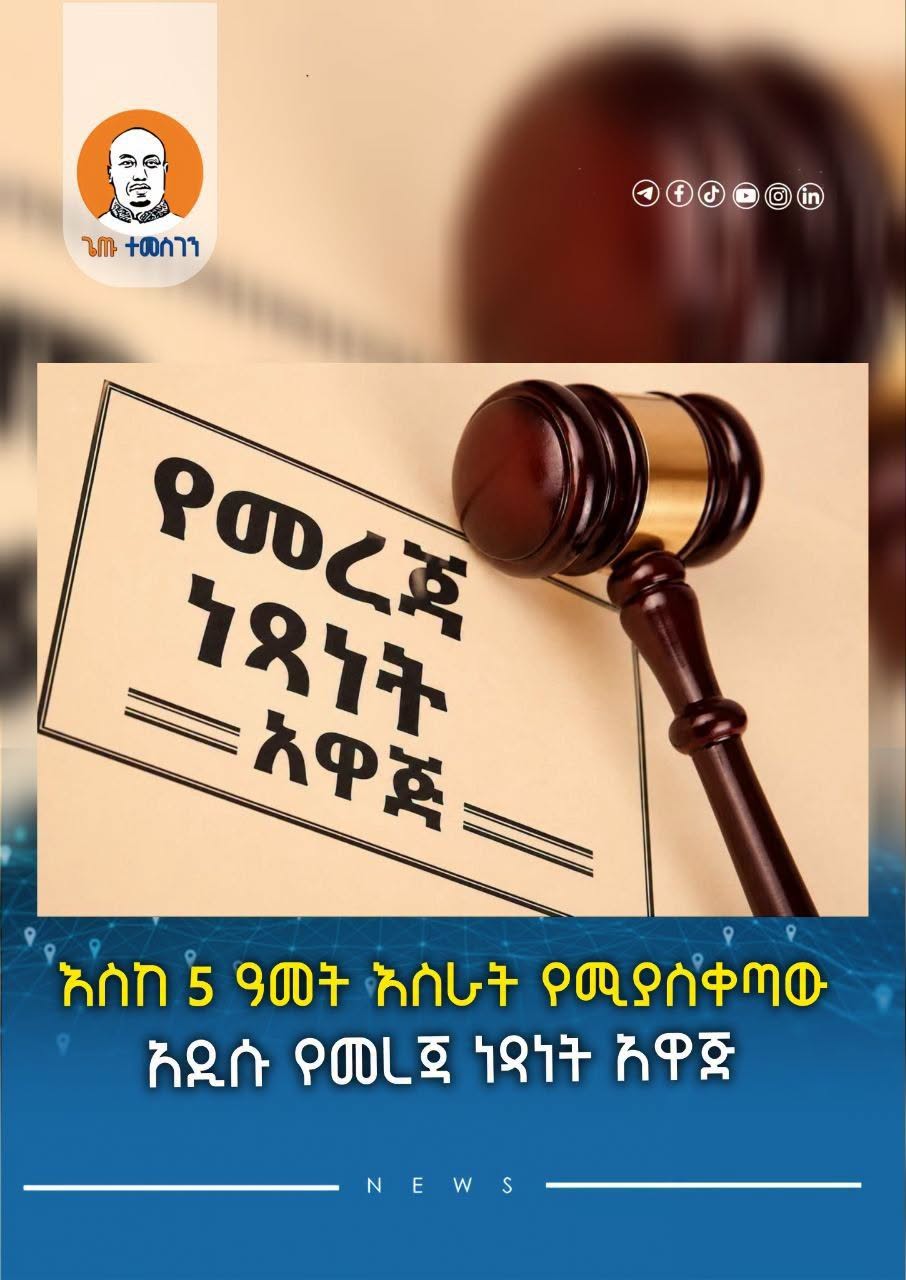
እስከ 5 ዓመት እስራት የሚያስቀጣው አዲሱ
የመረጃ ነጻነት አዋጅ
#ethiopia | የሕዝብ ተወካዮች ምክር ቤት ለዓመታት ሲጠበቅ የነበረውን አዲሱን “የመረጃ ነጻነት አዋጅ” በሙሉ ድምፅ አፅድቋል።
ይህ አዲስ ሕግ ቀደም ሲል ከነበረው አሠራር በተለየ መልኩ ከመንግሥት አካላት በተጨማሪ የግል ድርጅቶችም መረጃ የመስጠት ግዴታ እንዲኖርባቸው አድርጎ ያሻሻለ ሲሆን፣ የመንግሥት ፕሮጀክቶችን ዝርዝር አፈጻጸምና ውጤት ለሕዝብ ይፋ ማድረጋቸውን የሚያረጋግጥ ጠንካራ ድንጋጌ አካቷል።
በተጨማሪም፣ መገናኛ ብዙኃን የሕዝብ ጥቅም መረጃዎችን ሲጠይቁ ከማንኛውም የማባዣ ወጪ ክፍያ ነፃ እንዲሆኑ ተደንግጓል።
የዚህ አዋጅ ትልቁ መነጋገሪያ ጉዳይ መረጃን በደበቁ ወይም ባሻጠሩ የመንግሥት የሥራ ኃላፊዎችና ሠራተኞች ላይ የጣለው ጠንካራ የወንጀል ቅጣት ነው።
ሆን ብሎ መረጃን ያጠፋ፣ ያበላሸ፣ የደበቀ፣ ሙስናን ለመሸፈን በሚስጥር የያዘ ወይም የሀሰት ሰነድ ያዘጋጀ ኃላፊ ጥፋተኝነቱ በፍርድ ቤት ሲረጋገጥ እስከ 5 ዓመት በሚደርስ ፅኑ እስራት እና እስከ 100 ሺህ ብር የገንዘብ መቀጮ (ወይም በሁለቱም) ይቀጣል።
እንዲሁም ሆን ብሎ የተሳሳተ መረጃ የሰጠ፣ ያለበቂ ምክንያት ትዕዛዝ ያልፈጸመ ወይም የመከላከያ ምስጢር አሳልፎ የሰጠ አካል እስከ 3 ዓመት በሚደርስ ቀላል እስራት እንደሚቀጣ ተደንግጓል።
በተጨማሪም መረጃ የመጠየቅ መብትን በቸልተኝነት ለሚያደናቅፉ አካላት ማለትም የቃል ጥያቄን በቅጽ ለመሙላት ፈቃደኛ ካለመሆን፣ መረጃን አትሞ ካለማውጣት፣ እና ለአካል ጉዳተኞች ምቹ በሆነ መንገድ መረጃን ተደራሽ ካለማድረግ ጋር የተያያዙ ጥፋቶች እስከ 1 ዓመት በሚደርስ ቀላል እስራት እና እስከ 50 ሺህ ብር የገንዘብ መቀጮ ያስቀጣሉ።
ይህ አዋጅ በሀገሪቱ ግልፅነትን፣ ተጠያቂነትን እና የሕግ የበላይነትን ለማስፈን ትልቅ እመርታ መሆኑ ተገልጿል።
Ethiopia Insider
#ethiopia #informationfreedom #breakingnews #transparency #accountability #ethiopianparliament #mediafreedom #lawandjustice
የመረጃ ነጻነት አዋጅ
#ethiopia | የሕዝብ ተወካዮች ምክር ቤት ለዓመታት ሲጠበቅ የነበረውን አዲሱን “የመረጃ ነጻነት አዋጅ” በሙሉ ድምፅ አፅድቋል።
ይህ አዲስ ሕግ ቀደም ሲል ከነበረው አሠራር በተለየ መልኩ ከመንግሥት አካላት በተጨማሪ የግል ድርጅቶችም መረጃ የመስጠት ግዴታ እንዲኖርባቸው አድርጎ ያሻሻለ ሲሆን፣ የመንግሥት ፕሮጀክቶችን ዝርዝር አፈጻጸምና ውጤት ለሕዝብ ይፋ ማድረጋቸውን የሚያረጋግጥ ጠንካራ ድንጋጌ አካቷል።
በተጨማሪም፣ መገናኛ ብዙኃን የሕዝብ ጥቅም መረጃዎችን ሲጠይቁ ከማንኛውም የማባዣ ወጪ ክፍያ ነፃ እንዲሆኑ ተደንግጓል።
የዚህ አዋጅ ትልቁ መነጋገሪያ ጉዳይ መረጃን በደበቁ ወይም ባሻጠሩ የመንግሥት የሥራ ኃላፊዎችና ሠራተኞች ላይ የጣለው ጠንካራ የወንጀል ቅጣት ነው።
ሆን ብሎ መረጃን ያጠፋ፣ ያበላሸ፣ የደበቀ፣ ሙስናን ለመሸፈን በሚስጥር የያዘ ወይም የሀሰት ሰነድ ያዘጋጀ ኃላፊ ጥፋተኝነቱ በፍርድ ቤት ሲረጋገጥ እስከ 5 ዓመት በሚደርስ ፅኑ እስራት እና እስከ 100 ሺህ ብር የገንዘብ መቀጮ (ወይም በሁለቱም) ይቀጣል።
እንዲሁም ሆን ብሎ የተሳሳተ መረጃ የሰጠ፣ ያለበቂ ምክንያት ትዕዛዝ ያልፈጸመ ወይም የመከላከያ ምስጢር አሳልፎ የሰጠ አካል እስከ 3 ዓመት በሚደርስ ቀላል እስራት እንደሚቀጣ ተደንግጓል።
በተጨማሪም መረጃ የመጠየቅ መብትን በቸልተኝነት ለሚያደናቅፉ አካላት ማለትም የቃል ጥያቄን በቅጽ ለመሙላት ፈቃደኛ ካለመሆን፣ መረጃን አትሞ ካለማውጣት፣ እና ለአካል ጉዳተኞች ምቹ በሆነ መንገድ መረጃን ተደራሽ ካለማድረግ ጋር የተያያዙ ጥፋቶች እስከ 1 ዓመት በሚደርስ ቀላል እስራት እና እስከ 50 ሺህ ብር የገንዘብ መቀጮ ያስቀጣሉ።
ይህ አዋጅ በሀገሪቱ ግልፅነትን፣ ተጠያቂነትን እና የሕግ የበላይነትን ለማስፈን ትልቅ እመርታ መሆኑ ተገልጿል።
Ethiopia Insider
#ethiopia #informationfreedom #breakingnews #transparency #accountability #ethiopianparliament #mediafreedom #lawandjustice
4 months ago
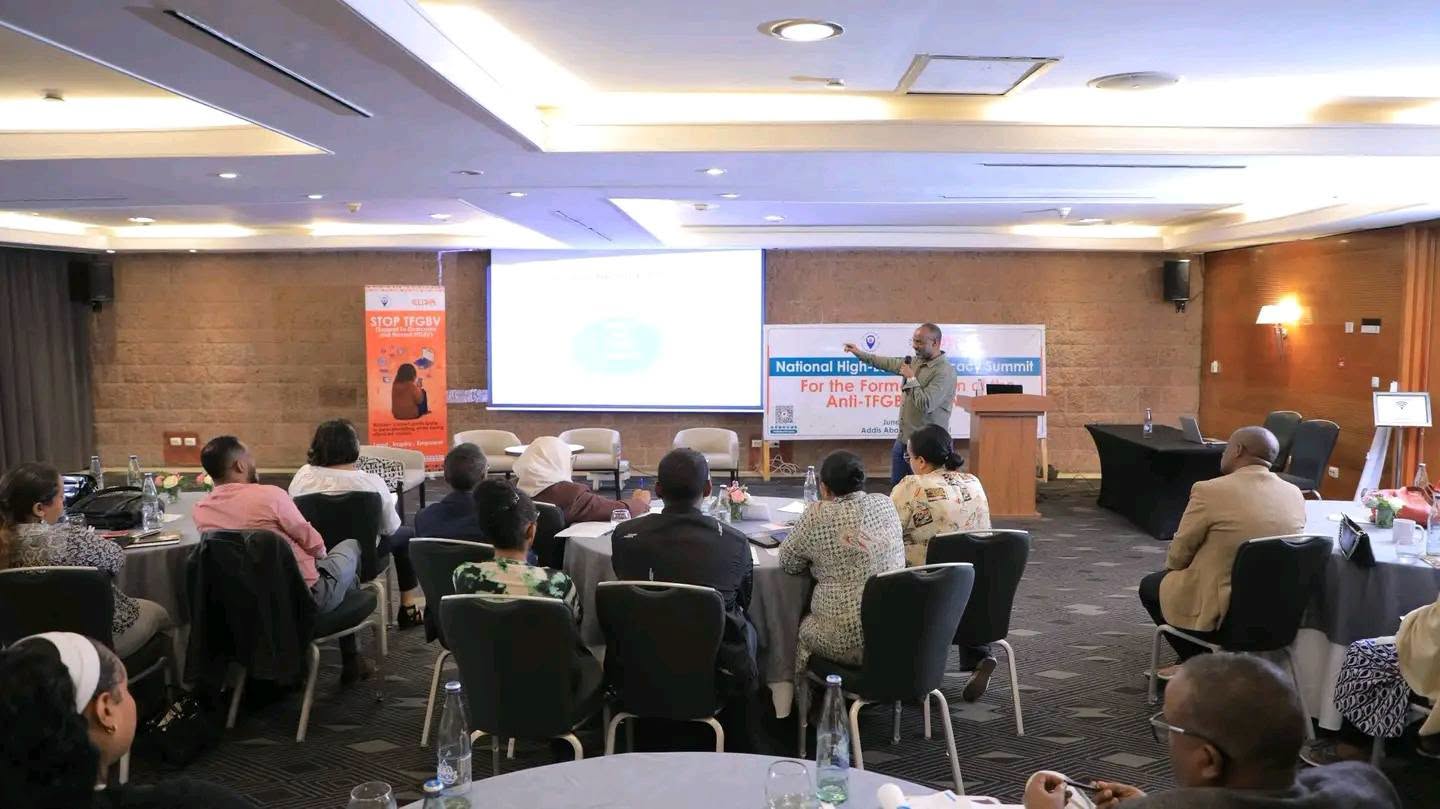
 A milestone. A movement. A shared responsibility.
#june 16/2026
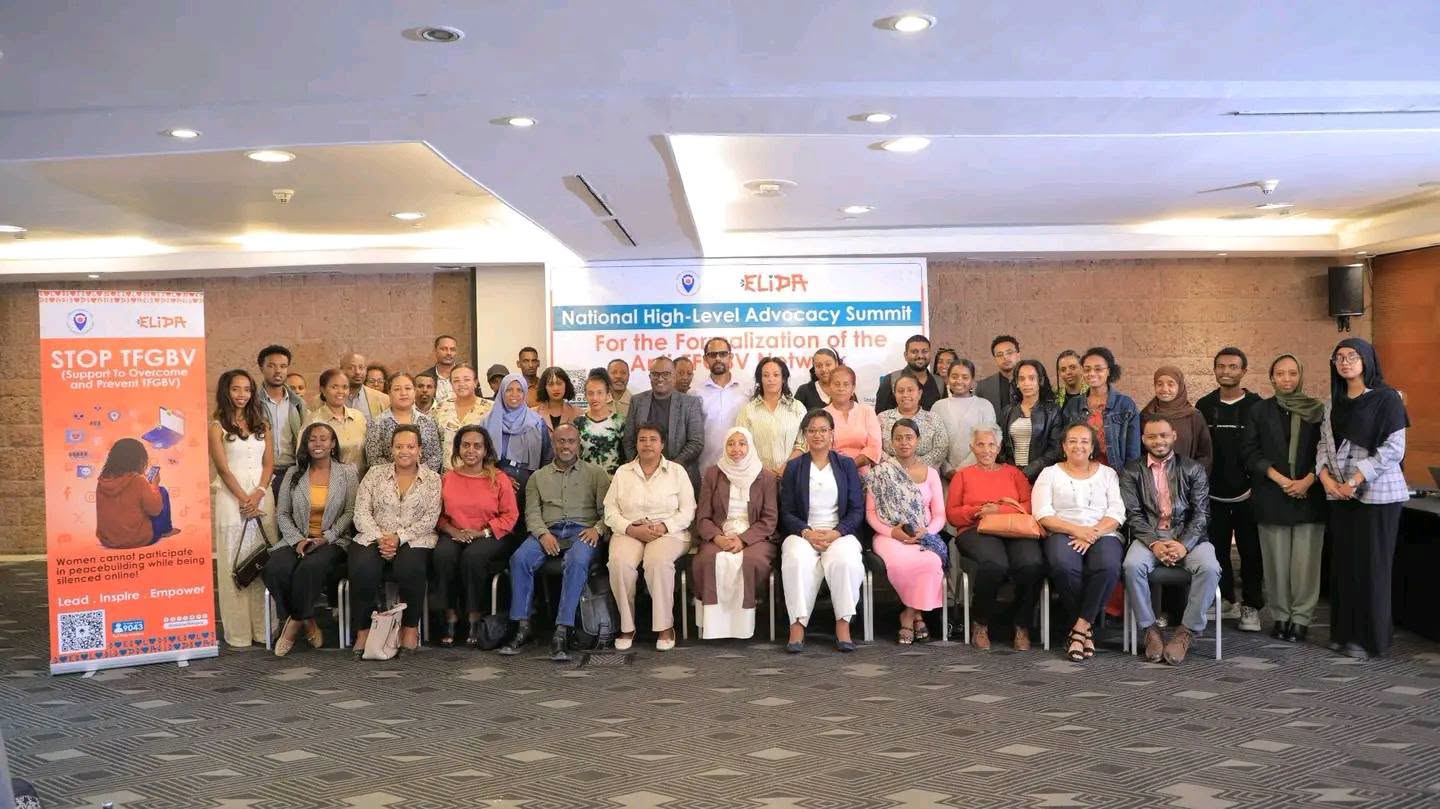
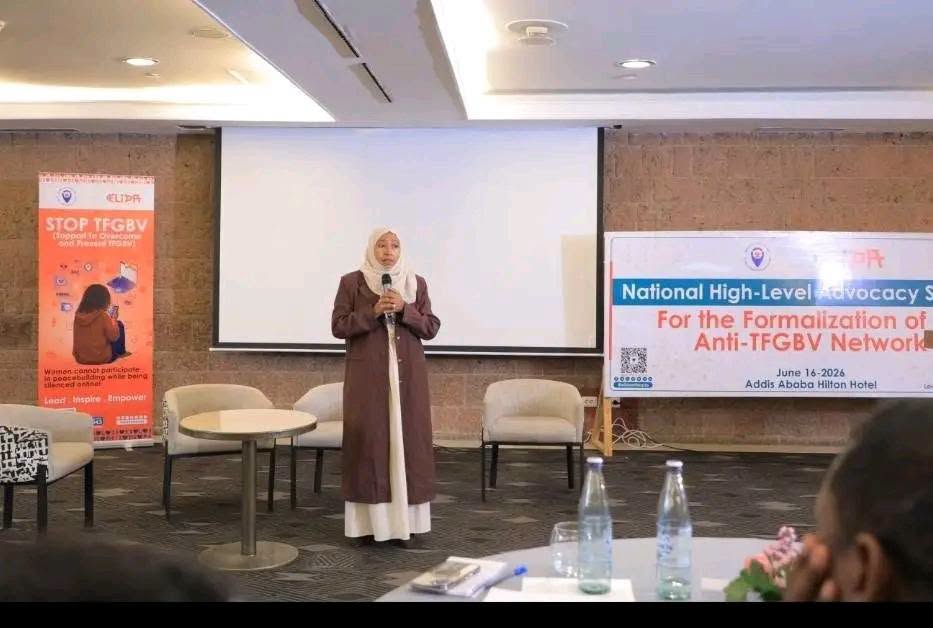
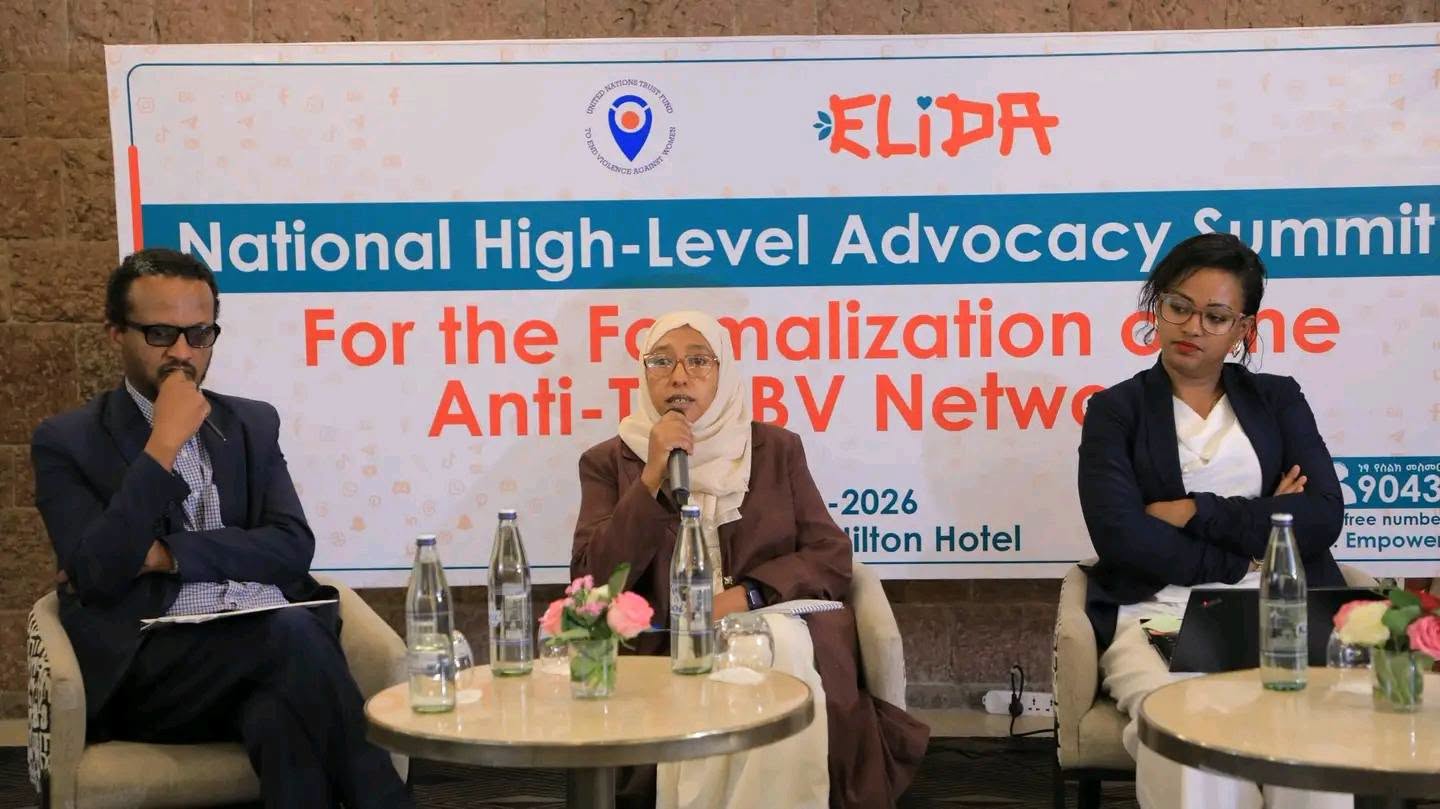
ELiDA Ethiopia proudly celebrates the establishment of the National Anti-Technology Facilitated Gender-Based Violence (Anti-TFGBV) Network.
We extend our sincere gratitude to government institutions, civil society organizations, media, social media influencers, justice actors, academia, and development partners who have united behind one clear message: online violence must end.
Together, we are building a stronger movement for safer digital spaces, survivor-centered responses, effective laws, accountability, and justice.
This is not just a network—it is a national commitment to ensure that every woman and girl can participate, lead, and thrive online without fear.
ታሪካዊ ምዕራፍ። ታላቅ ንቅናቄ። የጋራ ኃላፊነት።ኤሊዳ ኢትዮጵያ (ELiDA Ethiopia) ብሔራዊ የፀረ-TFGBV (ቴክኖሎጂን በመጠቀም የሚፈጸም ጾታዊ ጥቃት) መረብ መመስረቱን በኩራት ያበስራል።
«የኢንተርኔት ጥቃት ሊቆም ይገባል!» በሚለው አንድ ግልጽ ዓላማ ሥር ለተሰለፋችሁ፦
ለመንግሥትና ለፍትህ ተቋማት፣
ለሲቪል ማኅበረሰብ እና ለልማት አጋሮች፣
ለሚዲያ፣ ለማኅበራዊ ሚዲያ ተፅዕኖ ፈጣሪዎች እና ለአካዳሚዎች የላቀ ምስጋናችንን እናቀርባለን።
በጋራ በመሆን፦ ደህንነቱ የተጠበቀ ዲጂታል ምኅዳር፣ ተጎጂዎችን ማዕከል ያደረገ ምላሽ፣ ጠንካራ ሕጎች እና ተጠያቂነት የሰፈነበት ሥርዓት እንገነባለን።
ይህ ዝም ብሎ መረብ አይደለም፤ እያንዳንዱ ሴት እና ሴት ልጅ ያለ ፍርሃት በዲጂታል ዓለም ውስጥ እንዲሳተፉ፣ እንዲመሩ እና እንዲበለጽጉ የተገባ ብሔራዊ ቃል ኪዳን ነው!
#የፀረTFGBVመረብ #tfgbvይብቃ #tfgbv #elidaethiopia ! #antitfgbvnetwork #endtfgbv #digitalsafety #technology #የቴክኖሎጂ_ጥቃት_ይቆም #ዲጂታል_ደኅንነት
Ministry of Peace የሰላም ሚኒስቴር Ethiopian Civil Society Organizations Council Ethio telecom Sustainable Technology Solutions-STS Christian Aid Institute for Peace and Security Studies UN Trust Fund to End Violence against Women Ethiopian Women Development Organization - EWDO የሴቶችና ማህበራዊ ጉዳይ ሚኒስቴር Ministry of Women and Social Affairs የኢትዮጵያ የሲቪል ሰርቪስ የመንግሥት ሰራተኞች


4 months ago
⚠️ሰበር - ባለሃብቱ አቶ ወርቁ አይተነው በኖርዌይ በቲክቶከሯ ሄለን ደሳለኝ አራዶ (Helen Desalegn Arado) ላይ ፈጣን እና አስተማሪ ህጋዊ እርምጃ ወሰዱ #ethiopia #justice #accountability #lawandorder #workuaytenew #helendesalegnarado

6 months ago
የኬንያ መንግስት በነዳጅ ምክንያት የስራ ሀላፊዎችን እያባረረ ነው
#ethiopia | በኬንያ የነዳጅ አቅርቦት ሰንሰለት ላይ በተደረገ ጥልቅ ምርመራ፣ ከፍተኛ የመንግስት የስራ ሃላፊዎች ከስልጣናቸው እንዲነሱና በቁጥጥር ስር እንዲውሉ ተወሰነ። ይህ እርምጃ የተወሰደው በሀገሪቱ የነዳጅ ዘርፍ ላይ በተፈጸመ የኢኮኖሚ አሻጥር እና የሀሰት መረጃ ስርጭት ምክንያት መሆኑ ተገልጿል።
ከሃላፊነታቸው በአስቸኳይ ከተነሱት ባለስልጣናት መካከል፦
* መሐመድ ሊባን – የነዳጅ ዘርፍ ዋና ጸሐፊ
* ጆ ሳንግ – የኬንያ ፓይፕላይን ኩባንያ ዋና ሥራ አስኪያጅ
* ዳንኤል ኪፕቶ ባርጎሪያ – የኢነርጂና ነዳጅ ቁጥጥር ባለሥልጣን ዋና ዳይሬክተር ይገኙበታል።
የኬንያ ፕሬዚዳንት የሥራ ኃላፊ ፌሊክስ ኬ ኮስኬይ እንደገለጹት፣ ባለሥልጣናቱ በሀገር ውስጥ ያለውን የነዳጅ ክምችት አስመልክቶ የተሳሳተ መረጃ ሆን ብለው በማሰራጨት ህዝቡ ዘንድ ከፍተኛ ስጋት እንዲፈጠር አድርገዋል። ይህ "የኢኮኖሚ አሻጥር" በታክስ ከፋዩ ህዝብ ላይ ከ500 ሚሊዮን የኬንያ ሽልንግ በላይ ኪሳራ ማስከተሉ ተረጋግጧል።
ወቅታዊው እርምጃ መንግስት በስትራቴጂካዊ የሀብት አቅርቦቶች ላይ የሚታዩ ብክነቶችንና ሌብነቶችን ለመከላከል የጀመረው ዘመቻ አካል መሆኑ ተመላክቷል።
Getu Temesgen - (ጌጡ ተመስገን)
#getutemesgen #getu #kenyanews #oilscandal #economicsabotage #eastafricaupdate #energysector #accountability
#ethiopia | በኬንያ የነዳጅ አቅርቦት ሰንሰለት ላይ በተደረገ ጥልቅ ምርመራ፣ ከፍተኛ የመንግስት የስራ ሃላፊዎች ከስልጣናቸው እንዲነሱና በቁጥጥር ስር እንዲውሉ ተወሰነ። ይህ እርምጃ የተወሰደው በሀገሪቱ የነዳጅ ዘርፍ ላይ በተፈጸመ የኢኮኖሚ አሻጥር እና የሀሰት መረጃ ስርጭት ምክንያት መሆኑ ተገልጿል።
ከሃላፊነታቸው በአስቸኳይ ከተነሱት ባለስልጣናት መካከል፦
* መሐመድ ሊባን – የነዳጅ ዘርፍ ዋና ጸሐፊ
* ጆ ሳንግ – የኬንያ ፓይፕላይን ኩባንያ ዋና ሥራ አስኪያጅ
* ዳንኤል ኪፕቶ ባርጎሪያ – የኢነርጂና ነዳጅ ቁጥጥር ባለሥልጣን ዋና ዳይሬክተር ይገኙበታል።
የኬንያ ፕሬዚዳንት የሥራ ኃላፊ ፌሊክስ ኬ ኮስኬይ እንደገለጹት፣ ባለሥልጣናቱ በሀገር ውስጥ ያለውን የነዳጅ ክምችት አስመልክቶ የተሳሳተ መረጃ ሆን ብለው በማሰራጨት ህዝቡ ዘንድ ከፍተኛ ስጋት እንዲፈጠር አድርገዋል። ይህ "የኢኮኖሚ አሻጥር" በታክስ ከፋዩ ህዝብ ላይ ከ500 ሚሊዮን የኬንያ ሽልንግ በላይ ኪሳራ ማስከተሉ ተረጋግጧል።
ወቅታዊው እርምጃ መንግስት በስትራቴጂካዊ የሀብት አቅርቦቶች ላይ የሚታዩ ብክነቶችንና ሌብነቶችን ለመከላከል የጀመረው ዘመቻ አካል መሆኑ ተመላክቷል።
Getu Temesgen - (ጌጡ ተመስገን)
#getutemesgen #getu #kenyanews #oilscandal #economicsabotage #eastafricaupdate #energysector #accountability


7 months ago
ከህግ በላይ ማንም የለም! የዩኒፎርም ክብርና የዜጎች ደህንነት
ዛሬ በማህበራዊ ሚዲያ የተሰራጨው ምስል/ቪዲዮ እጅግ ልብ የሚሰብርና የሚሰቀጥጥ ነው አንድ የአይሱዙ ሹፌር "ደርቦ ነድተሃል/ገልብጠኸኝ ነበር " በሚል ሰበብ በመከላከያ ሰራዊት አባል በክላሽንኮቭ ተገዶ ተንበርክኮ ሲደበደብ ማየት ማንንም ሰብአዊ ፍጡር ያሳዝናል።
የትራፊክ ጥፋትም ሆነ አደጋ ቢከሰት ውሳኔ መስጠት ያለበት የትራፊክ ፖሊስና የፍትህ አካላት እንጂ በግል መሳሪያን አውጥቶ መቅጣት አይደለም ዩኒፎርም የህግ ማስከበሪያ እንጂ የጭቆና መገልገያ መሆን የለበትም የኢትዮጵያ መከላከያ ሰራዊት የህዝብ አለኝታና የሀገር ጋሻ ነው።
እንዲህ ያሉ ጥቂት ግለሰቦች የሚፈጽሙት የዲሲፕሊን ጉድለትና የግል በቀል ደምና አጥንቱን እየገበረ ያለውን መላውን የሰራዊቱን ስም ያጎድፋል።
ማንኛውም ዜጋ ጥፋተኛ እንኳን ቢሆን ሰብአዊ ክብሩ ተጠብቆ በህግ ፊት የመቅረብ መብት አለው።
አንድን ሹፌር አንበርክኮ መደብደብ የለየለት ወንጀልና ስርዓት አልበኝነት ነው።
የሚመለከተው የመከላከያ ከፍተኛ አመራርና የፍትህ አካላት ይህንን ድርጊት የፈጸመውን ግለሰብ ህግ ፊት ማቅረብ አለባቸው
ሰራዊቱ የህዝብ ወገንተኝነቱን በተግባር እንዲያሳይ እንዲህ ያሉ በስሜት የሚነዱ አባላትንም ከቅዱስ ሙያው እንዲያርቅ ይመከራል
ፍትህ ለተበዳዩ ሹፌር!
ክብር ለህግ የበላይነት! #ethiopia #humanrights #accountability #ethiopiandefenseforce #justice
ዛሬ በማህበራዊ ሚዲያ የተሰራጨው ምስል/ቪዲዮ እጅግ ልብ የሚሰብርና የሚሰቀጥጥ ነው አንድ የአይሱዙ ሹፌር "ደርቦ ነድተሃል/ገልብጠኸኝ ነበር " በሚል ሰበብ በመከላከያ ሰራዊት አባል በክላሽንኮቭ ተገዶ ተንበርክኮ ሲደበደብ ማየት ማንንም ሰብአዊ ፍጡር ያሳዝናል።
የትራፊክ ጥፋትም ሆነ አደጋ ቢከሰት ውሳኔ መስጠት ያለበት የትራፊክ ፖሊስና የፍትህ አካላት እንጂ በግል መሳሪያን አውጥቶ መቅጣት አይደለም ዩኒፎርም የህግ ማስከበሪያ እንጂ የጭቆና መገልገያ መሆን የለበትም የኢትዮጵያ መከላከያ ሰራዊት የህዝብ አለኝታና የሀገር ጋሻ ነው።
እንዲህ ያሉ ጥቂት ግለሰቦች የሚፈጽሙት የዲሲፕሊን ጉድለትና የግል በቀል ደምና አጥንቱን እየገበረ ያለውን መላውን የሰራዊቱን ስም ያጎድፋል።
ማንኛውም ዜጋ ጥፋተኛ እንኳን ቢሆን ሰብአዊ ክብሩ ተጠብቆ በህግ ፊት የመቅረብ መብት አለው።
አንድን ሹፌር አንበርክኮ መደብደብ የለየለት ወንጀልና ስርዓት አልበኝነት ነው።
የሚመለከተው የመከላከያ ከፍተኛ አመራርና የፍትህ አካላት ይህንን ድርጊት የፈጸመውን ግለሰብ ህግ ፊት ማቅረብ አለባቸው
ሰራዊቱ የህዝብ ወገንተኝነቱን በተግባር እንዲያሳይ እንዲህ ያሉ በስሜት የሚነዱ አባላትንም ከቅዱስ ሙያው እንዲያርቅ ይመከራል
ፍትህ ለተበዳዩ ሹፌር!
ክብር ለህግ የበላይነት! #ethiopia #humanrights #accountability #ethiopiandefenseforce #justice


Sponsored by
Surafel
Test AD
This is the Description.


8 months ago
የቴዲ አፍሮ የጊዜ ፍልስፍና፦ የባሻው ምስጢር እና የነፍስ ብርሃን ፍለጋ
የዋሻው ምስጢር
በሰው ልጅ የህይወት ጉዞ ውስጥ ከሁሉ የሚከብደው ጠላት የውጭው ዓለም ፈተና ሳይሆን፣ በገዛ አእምሯችን የምንገነባው "የሀዘን ዋሻ" ነው። ቴዲ አፍሮ “ባሻው” በሚለው ዝማሬው፣ የዚህን ዋሻ በር የሚሰብር መዶሻ ይዞ ይመጣል። ይህ ዘፈን ሙዚቃ ብቻ አይደለም፤ ከአጥንት የሚዘልቅ፣ የሰውን ልጅ የመኖር ትርጉም የሚፈትሽ፣ በዜማ የታጀበ የፍልስፍና መፅሐፍ ነው።
በዚህ ትንተና ውስጥ፣ ቴዲ አፍሮ እንዴት የጊዜን፣ የፍቅርን እና የፅናትን ምስጢር በባሻው ህይወት ውስጥ እንደሰነቀው፣ ከዓለም ታላላቅ ፈላስፎች እና አነቃቂ ታሪኮች ጋር አዛምደን እንቃኘዋለን።
የብርሃን ሰልፍ፦ የፍቅር ጦርነት
"የብርሀን ሰልፍ ነው ያነገበ ፍቅር ሰላም፣ ጤና ለአዳም..."
ቴዲ ዘፈኑን የሚጀምረው በድል አድራጊነት መንፈስ ነው። "ባሻው" የተሰኘው ስያሜ በራሱ ለጥንታዊ የኢትዮጵያ ጀግኖች የሚሰጥ ወታደራዊ ማዕረግ ነው። ነገር ግን ቴዲ የሚነግረን ስለ ጥይትና ስለ ጎራዴ ሳይሆን፣ ስለ "ብርሃን ሰልፍ" ነው። እዚህ ጋር ታላቁን የሰላም ታጋይ ማህተማ ጋንዲን እናስታውሳለን። ጋንዲ "ፍቅር በዓለም ላይ ካሉ ኃይሎች ሁሉ እጅግ ታላቁ ነው" ይላል።
ቴዲ "እንኳን ሰው እንስሳው የፍቅር ነው ሰራዊቱ" ሲል፣ ፍቅር ድንበር የለሽ መሆኑን ይገልፃል። ይህ በኳንተም ፊዚክስ "Entanglement" ከሚባለው ህግ ጋር ይመሳሰላል፤ ሁሉም ነገር እርስ በእርሱ የተሳሰረ ነው የሚል እሳቤ። ባሻው (ሰውየው) በሀዘን ዋሻ ውስጥ ሆኖ ተፈጥሮን ሲረሳ፣ ቴዲ ግን አውሬው ጭምር የፍቅር ሰራዊት መሆኑን በመንገር ከብቸኝነት እስር ያወጣዋል።
የአሁኑ ጊዜ ኃይል (The Power of Now)
"ጊዜ ማይፈታው ምንም የለም... ጊዜም አሁን ነው ትላንት ሆኖ ቀሪ፣ የነገው ቀን ሰሪ"
ይህ የግጥም ክፍል የዘመናችንን ታላቅ ፈላስፋ ኤካርት ቶልን ምስጢር በግልፅ ያስቀምጣል። ቶል “ስቃይ የሚኖረው በትላንት ትዝታና በነገ ስጋት ውስጥ ብቻ ነው፤ አሁን ውስጥ ግን ሰላም አለ” ይላል።
እውነተኛ ታሪክ፦ የኦሽዊትዝ እስር ቤት ተረጂው ቪክቶር ፍራንክል፣ በሞት ጥላ ውስጥ ሆኖ እንዴት ሊተርፍ እንደቻለ ሲጠየቅ የሰጠው መልስ "ዛሬን" የተመለከተ ነበር። "ጠባቂዎቼ የአካል ነፃነቴን ሊወስዱ ይችላሉ፤ ነገር ግን ለአሁኑ ሰዓት የምሰጠውን ምላሽ (Response) ሊወስዱብኝ አይችሉም" ብሏል።
ቴዲ አፍሮ "ዛሬም ራሱ ነገ ነበረ" ሲል፣ ትላንት ስንጨነቅለት የነበረው "ነገ" ዛሬ መሆኑንና አሁንም እየጨነቅን ካሳለፍነው ህይወታችን በጭንቀት አዙሪት እንደሚጠፋ ይነግረናል። "ጊዜ ማይፈታው ምንም የለም" የሚለው ቃል ደግሞ ለተሰበረ ልብ ትልቅ ተስፋ ነው። ህመም እንደ ደመና ነው፤ ይመጣል፣ ያልፋል። ፀሃይ ግን (አሁን) ሁሌም አለች።
"የእናት ቀለም"፦ የውስጥ ፀሃይነት
"ቀኑ ቢመሻሽ ብለሽ አትስጊ ፋኖስ የለም፣ ፀሃይ ነሽና ለዚች ዓለም"
ይህ ለሴት ልጅ (ለእናት) የተገጠመው ስንኝ፣ ቴዲ አፍሮ ለሰው ልጅ ያለውን ክብር ያሳያል። "ፀሃይ ነሽ" ማለት ሌላ ብርሃን አትጠብቂ፣ ምንጩ አንቺው ነሽ ማለት ነው። አነቃቂው ሌስ ብራውን "በውስጣችሁ ታላቅነት አለ" (There is greatness within you) የሚለውን ሃሳብ ቴዲ በግጥም አቅልሞታል።
"የእናት ቀለም" የሚለው አገላለፅ፣ እናት በባህሪዋ ተስፋን የምትኳል፣ ጥቁርና ነጩን ዓለም በምህረትና በፍቅር የምታቀልም መሆኗን ይገልፃል። በጨለማ ውስጥ ፋኖስ የሚፈልግ ሰው ሌላ ሰው ይጠብቃል፤ "ፀሃይ" የሆነ ሰው ግን ጨለማውን በራሱ መገኘት ያባርረዋል። ቴዲ ባሻውን ከጥገኝነት ወደ ሉዓላዊነት እያሸጋገረው ነው።
የጊዜ ሚዛን እና የባለቤትነት ውሳኔ
"የጊዜ ሚዛን አይላወስም፣ ዛሬን የሌለ ለነገ አይደርስም"
ቴዲ አፍሮ እዚህ ጋር ስለ "ሃላፊነት" (Accountability) ይናገራል። ጊዜ አያዳላም፤ ለሁሉም እኩል 24 ሰዓት ይሰጣል። ልዩነቱ ዛሬን በምን ሞላነው? የሚለው ነው። "ሳዝን አልውልም ሳላውቅ ማደሬን" የሚለው መስመር እጅግ ልብ አንጠልጣይ ነው። በሞትና በህይወት መካከል ያለው መስመር ቀጭን መሆኑን ያሳየናል።
ፈላስፋው ማርከስ ኦሬሊየስ እንዲህ ብሎ ነበር፦ "ዛሬ የመጨረሻ ቀንህ እንደሆነ አድርገህ ኑር።" ቴዲ "የኔ ነው በቃ አልሰጥም ዛሬን" ሲል፣ ዛሬን ከአሉታዊ ሃሳቦች፣ ከትላንት ፀፀት እና ከሌሎች ሰዎች ትችት ነፃ እንደሚያወጣት ይምላል። ይህ የነፍስ ነፃነት አዋጅ ነው።
"ባሻው" እንደ ህይወት ኮምፓስ
በዚህ ረጅም እና ጥልቅ ጉዞ ውስጥ ቴዲ አፍሮ ያስተማረን ቁምነገር ግልፅ ነው፦
ደስታ ውሳኔ ነው፦ "ባሻው ይደሰት" የሚለው ትዕዛዝ እንጂ ልመና አይደለም።
ፍቅር መከላከያ ነው፦ በፍቅር የታጠረ ሰው ከሀዘን ዋሻ ይወጣል።
ጊዜ ውድ ሀብት ነው፦ ዛሬን ያልያዘ ነገን አይቆጣጠርም።
በመጨረሻም፣ ቴዲ አፍሮ "ባሻው" በሚለው ስራው ለእያንዳንዳችን ጥሪ እያቀረበ ነው። ህይወት ቢከፋም ቢለማም፣ ዓለም ብታደንቅህም ባታደንቅህም፣ አንተ "የነገው ቀን ሰሪ" ነህ። የጊዜ ሚዛን ሳይዛባብህ፣ ዛሬን እንደ ፀሃይ አብረህ እንድትወጣ ይጋብዝሃል።
ባሻው ሆይ! ዛሬ የአንተ ናት። አልሰጥም በላት!
አይዞህ ልቤ አይዞህ....
የዋሻው ምስጢር
በሰው ልጅ የህይወት ጉዞ ውስጥ ከሁሉ የሚከብደው ጠላት የውጭው ዓለም ፈተና ሳይሆን፣ በገዛ አእምሯችን የምንገነባው "የሀዘን ዋሻ" ነው። ቴዲ አፍሮ “ባሻው” በሚለው ዝማሬው፣ የዚህን ዋሻ በር የሚሰብር መዶሻ ይዞ ይመጣል። ይህ ዘፈን ሙዚቃ ብቻ አይደለም፤ ከአጥንት የሚዘልቅ፣ የሰውን ልጅ የመኖር ትርጉም የሚፈትሽ፣ በዜማ የታጀበ የፍልስፍና መፅሐፍ ነው።
በዚህ ትንተና ውስጥ፣ ቴዲ አፍሮ እንዴት የጊዜን፣ የፍቅርን እና የፅናትን ምስጢር በባሻው ህይወት ውስጥ እንደሰነቀው፣ ከዓለም ታላላቅ ፈላስፎች እና አነቃቂ ታሪኮች ጋር አዛምደን እንቃኘዋለን።
የብርሃን ሰልፍ፦ የፍቅር ጦርነት
"የብርሀን ሰልፍ ነው ያነገበ ፍቅር ሰላም፣ ጤና ለአዳም..."
ቴዲ ዘፈኑን የሚጀምረው በድል አድራጊነት መንፈስ ነው። "ባሻው" የተሰኘው ስያሜ በራሱ ለጥንታዊ የኢትዮጵያ ጀግኖች የሚሰጥ ወታደራዊ ማዕረግ ነው። ነገር ግን ቴዲ የሚነግረን ስለ ጥይትና ስለ ጎራዴ ሳይሆን፣ ስለ "ብርሃን ሰልፍ" ነው። እዚህ ጋር ታላቁን የሰላም ታጋይ ማህተማ ጋንዲን እናስታውሳለን። ጋንዲ "ፍቅር በዓለም ላይ ካሉ ኃይሎች ሁሉ እጅግ ታላቁ ነው" ይላል።
ቴዲ "እንኳን ሰው እንስሳው የፍቅር ነው ሰራዊቱ" ሲል፣ ፍቅር ድንበር የለሽ መሆኑን ይገልፃል። ይህ በኳንተም ፊዚክስ "Entanglement" ከሚባለው ህግ ጋር ይመሳሰላል፤ ሁሉም ነገር እርስ በእርሱ የተሳሰረ ነው የሚል እሳቤ። ባሻው (ሰውየው) በሀዘን ዋሻ ውስጥ ሆኖ ተፈጥሮን ሲረሳ፣ ቴዲ ግን አውሬው ጭምር የፍቅር ሰራዊት መሆኑን በመንገር ከብቸኝነት እስር ያወጣዋል።
የአሁኑ ጊዜ ኃይል (The Power of Now)
"ጊዜ ማይፈታው ምንም የለም... ጊዜም አሁን ነው ትላንት ሆኖ ቀሪ፣ የነገው ቀን ሰሪ"
ይህ የግጥም ክፍል የዘመናችንን ታላቅ ፈላስፋ ኤካርት ቶልን ምስጢር በግልፅ ያስቀምጣል። ቶል “ስቃይ የሚኖረው በትላንት ትዝታና በነገ ስጋት ውስጥ ብቻ ነው፤ አሁን ውስጥ ግን ሰላም አለ” ይላል።
እውነተኛ ታሪክ፦ የኦሽዊትዝ እስር ቤት ተረጂው ቪክቶር ፍራንክል፣ በሞት ጥላ ውስጥ ሆኖ እንዴት ሊተርፍ እንደቻለ ሲጠየቅ የሰጠው መልስ "ዛሬን" የተመለከተ ነበር። "ጠባቂዎቼ የአካል ነፃነቴን ሊወስዱ ይችላሉ፤ ነገር ግን ለአሁኑ ሰዓት የምሰጠውን ምላሽ (Response) ሊወስዱብኝ አይችሉም" ብሏል።
ቴዲ አፍሮ "ዛሬም ራሱ ነገ ነበረ" ሲል፣ ትላንት ስንጨነቅለት የነበረው "ነገ" ዛሬ መሆኑንና አሁንም እየጨነቅን ካሳለፍነው ህይወታችን በጭንቀት አዙሪት እንደሚጠፋ ይነግረናል። "ጊዜ ማይፈታው ምንም የለም" የሚለው ቃል ደግሞ ለተሰበረ ልብ ትልቅ ተስፋ ነው። ህመም እንደ ደመና ነው፤ ይመጣል፣ ያልፋል። ፀሃይ ግን (አሁን) ሁሌም አለች።
"የእናት ቀለም"፦ የውስጥ ፀሃይነት
"ቀኑ ቢመሻሽ ብለሽ አትስጊ ፋኖስ የለም፣ ፀሃይ ነሽና ለዚች ዓለም"
ይህ ለሴት ልጅ (ለእናት) የተገጠመው ስንኝ፣ ቴዲ አፍሮ ለሰው ልጅ ያለውን ክብር ያሳያል። "ፀሃይ ነሽ" ማለት ሌላ ብርሃን አትጠብቂ፣ ምንጩ አንቺው ነሽ ማለት ነው። አነቃቂው ሌስ ብራውን "በውስጣችሁ ታላቅነት አለ" (There is greatness within you) የሚለውን ሃሳብ ቴዲ በግጥም አቅልሞታል።
"የእናት ቀለም" የሚለው አገላለፅ፣ እናት በባህሪዋ ተስፋን የምትኳል፣ ጥቁርና ነጩን ዓለም በምህረትና በፍቅር የምታቀልም መሆኗን ይገልፃል። በጨለማ ውስጥ ፋኖስ የሚፈልግ ሰው ሌላ ሰው ይጠብቃል፤ "ፀሃይ" የሆነ ሰው ግን ጨለማውን በራሱ መገኘት ያባርረዋል። ቴዲ ባሻውን ከጥገኝነት ወደ ሉዓላዊነት እያሸጋገረው ነው።
የጊዜ ሚዛን እና የባለቤትነት ውሳኔ
"የጊዜ ሚዛን አይላወስም፣ ዛሬን የሌለ ለነገ አይደርስም"
ቴዲ አፍሮ እዚህ ጋር ስለ "ሃላፊነት" (Accountability) ይናገራል። ጊዜ አያዳላም፤ ለሁሉም እኩል 24 ሰዓት ይሰጣል። ልዩነቱ ዛሬን በምን ሞላነው? የሚለው ነው። "ሳዝን አልውልም ሳላውቅ ማደሬን" የሚለው መስመር እጅግ ልብ አንጠልጣይ ነው። በሞትና በህይወት መካከል ያለው መስመር ቀጭን መሆኑን ያሳየናል።
ፈላስፋው ማርከስ ኦሬሊየስ እንዲህ ብሎ ነበር፦ "ዛሬ የመጨረሻ ቀንህ እንደሆነ አድርገህ ኑር።" ቴዲ "የኔ ነው በቃ አልሰጥም ዛሬን" ሲል፣ ዛሬን ከአሉታዊ ሃሳቦች፣ ከትላንት ፀፀት እና ከሌሎች ሰዎች ትችት ነፃ እንደሚያወጣት ይምላል። ይህ የነፍስ ነፃነት አዋጅ ነው።
"ባሻው" እንደ ህይወት ኮምፓስ
በዚህ ረጅም እና ጥልቅ ጉዞ ውስጥ ቴዲ አፍሮ ያስተማረን ቁምነገር ግልፅ ነው፦
ደስታ ውሳኔ ነው፦ "ባሻው ይደሰት" የሚለው ትዕዛዝ እንጂ ልመና አይደለም።
ፍቅር መከላከያ ነው፦ በፍቅር የታጠረ ሰው ከሀዘን ዋሻ ይወጣል።
ጊዜ ውድ ሀብት ነው፦ ዛሬን ያልያዘ ነገን አይቆጣጠርም።
በመጨረሻም፣ ቴዲ አፍሮ "ባሻው" በሚለው ስራው ለእያንዳንዳችን ጥሪ እያቀረበ ነው። ህይወት ቢከፋም ቢለማም፣ ዓለም ብታደንቅህም ባታደንቅህም፣ አንተ "የነገው ቀን ሰሪ" ነህ። የጊዜ ሚዛን ሳይዛባብህ፣ ዛሬን እንደ ፀሃይ አብረህ እንድትወጣ ይጋብዝሃል።
ባሻው ሆይ! ዛሬ የአንተ ናት። አልሰጥም በላት!
አይዞህ ልቤ አይዞህ....

11 months ago
Rare earths & environmental cost
By Assadullah Channa
Pakistan is entering a critical phase in its resource development strategy.
Beneath its mountainous terrain lies a vast reserve of rare earth elements (REEs), estimated to be worth between $6 to $8 trillion. These minerals are essential to the global supply chain for technologies such as smartphones, electric vehicles, renewable energy systems and advanced defense equipment. Their discovery has generated significant interest from both domestic policymakers and international investors. Yet, as the country races to unlock this potential, it risks plunging headlong into an environmental catastrophe of staggering proportions. This rapid push toward extraction has raised important questions about the adequacy of environmental safeguards and whether current governance systems can manage the long-term impacts of large-scale resource development. Without careful planning and oversight, the benefits of rare earth mining could be overshadowed by lasting ecological and social costs.
Recent geochemical mapping, conducted jointly by the Geological Survey of Pakistan and the China Geological Survey, has revealed extensive concentrations of REEs across nearly 360,000 square kilometers of Pakistani territory. These deposits, primarily found in carbonatite-related formations, represent not just economic opportunity but ecological peril. For every ton of rare earths extracted, the process generates 2,000 tons of toxic waste, including one ton of radioactive residue. This toxic arithmetic is not a footnote; it is the central equation of extraction—one that threatens to poison Pakistan’s soil, water and air for generations. Much of the exploratory work has been described as unscientific, random and insufficient. This knowledge gap means that decisions about extraction are being made without a full understanding of the environmental consequences. Eight strategic sites in Khyber Pakhtunkhwa, stretching from Mansehra to the Pakistan-Afghanistan border, have been earmarked for exploration. Drilling operations at Mashkichah in District Chagai are already underway, but the environmental implications raise serious concerns about transparency and accountability.
Pakistan’s ecological foundation seems fragile. The country faces one of the world’s most severe water crises, with over 60 percent of Balochistan’s population lacking access to safe drinking water. Groundwater depletion is accelerating and arsenic contamination in aquifers has reached dangerous levels. Rare earth processing, which requires massive volumes of water—up to 500,000 gallons per ton of lithium extracted—will place enormous strain on these already stressed resources. The competition for water between mining operations and local communities will be fierce and, in many cases, devastating. Contaminated aquifers can remain unusable for decades, wiping out agricultural potential in rural areas. The town of Talaap in Balochistan offers a grim preview of what lies ahead. For years, it has supplied water to the Saindak copper-gold project, yet its own residents have seen little benefit. The expansion of rare earth extraction threatens to replicate this pattern across multiple provinces, draining resources while delivering profits elsewhere.
The health consequences of rare earth exposure are equally alarming. REEs are known to cause cancer, cardiovascular damage, respiratory failure and neurological disorders. These elements disrupt fundamental biological processes, affecting multiple organ systems and compromising immune, reproductive and nervous functions. The burden of this environmental violence falls disproportionately on the most vulnerable and those with limited access to healthcare. Compounding these risks is Pakistan’s seismic vulnerability. The 2005 Kashmir earthquake was a stark reminder of the region’s tectonic instability. Balochistan continues to experience regular seismic activity, posing a direct threat to mining infrastructure. Rare earth extraction requires massive tailings dams to store radioactive waste and toxic chemicals. These structures, even under ideal conditions, are prone to failure.
Pakistan’s mineral wealth is undeniable. It holds the world’s fifth-largest copper-gold reserves, the second-largest coal and salt reserves and 92 discovered minerals in total. Yet the sector contributes less than 2 percent to the national GDP. This extraction-without-development model ensures that Pakistan captures minimal value from its resources while bearing the full brunt of environmental and social costs. The Saindak mine generated $2 billion between 2002 and 2017, yet Balochistan remains the poorest province. Proposed contracts for rare earth projects allocate just 10 percent equity to local communities, while foreign partners claim up to 70 percent. This is neo-colonial resource extraction, refined and repackaged for the 21st century. External geopolitical pressure further affects Pakistan’s mineral policy. In April 2025, U.S. State Department official Eric Meyer visited Islamabad just before the rushed passage of the Balochistan Mines Act. The legislation, which centralized control over provincial minerals, was suspended after widespread protests.
The risks Pakistan faces from rare earth mining are not abstract; they are immediate, measurable and potentially irreversible. If extraction proceeds without proper safeguards, the country could face widespread contamination of its water sources, accumulation of radioactive waste and loss of arable land. These impacts won’t disappear when the mining ends; they will linger for decades, affecting public health, agriculture and access to clean water. Pakistan must make a critical decision: whether to pursue mineral wealth at any cost or to develop policies that balance economic opportunity with environmental protection and community welfare. The country’s long-term stability depends on whether it can move beyond short-term profits and invest in sustainable practices and scientific oversight. This isn’t just about reputation; it’s about resilience.
— The writer is an educator, based in Sindh.
(channaassadullah320gmail.com)
By Assadullah Channa
Pakistan is entering a critical phase in its resource development strategy.
Beneath its mountainous terrain lies a vast reserve of rare earth elements (REEs), estimated to be worth between $6 to $8 trillion. These minerals are essential to the global supply chain for technologies such as smartphones, electric vehicles, renewable energy systems and advanced defense equipment. Their discovery has generated significant interest from both domestic policymakers and international investors. Yet, as the country races to unlock this potential, it risks plunging headlong into an environmental catastrophe of staggering proportions. This rapid push toward extraction has raised important questions about the adequacy of environmental safeguards and whether current governance systems can manage the long-term impacts of large-scale resource development. Without careful planning and oversight, the benefits of rare earth mining could be overshadowed by lasting ecological and social costs.
Recent geochemical mapping, conducted jointly by the Geological Survey of Pakistan and the China Geological Survey, has revealed extensive concentrations of REEs across nearly 360,000 square kilometers of Pakistani territory. These deposits, primarily found in carbonatite-related formations, represent not just economic opportunity but ecological peril. For every ton of rare earths extracted, the process generates 2,000 tons of toxic waste, including one ton of radioactive residue. This toxic arithmetic is not a footnote; it is the central equation of extraction—one that threatens to poison Pakistan’s soil, water and air for generations. Much of the exploratory work has been described as unscientific, random and insufficient. This knowledge gap means that decisions about extraction are being made without a full understanding of the environmental consequences. Eight strategic sites in Khyber Pakhtunkhwa, stretching from Mansehra to the Pakistan-Afghanistan border, have been earmarked for exploration. Drilling operations at Mashkichah in District Chagai are already underway, but the environmental implications raise serious concerns about transparency and accountability.
Pakistan’s ecological foundation seems fragile. The country faces one of the world’s most severe water crises, with over 60 percent of Balochistan’s population lacking access to safe drinking water. Groundwater depletion is accelerating and arsenic contamination in aquifers has reached dangerous levels. Rare earth processing, which requires massive volumes of water—up to 500,000 gallons per ton of lithium extracted—will place enormous strain on these already stressed resources. The competition for water between mining operations and local communities will be fierce and, in many cases, devastating. Contaminated aquifers can remain unusable for decades, wiping out agricultural potential in rural areas. The town of Talaap in Balochistan offers a grim preview of what lies ahead. For years, it has supplied water to the Saindak copper-gold project, yet its own residents have seen little benefit. The expansion of rare earth extraction threatens to replicate this pattern across multiple provinces, draining resources while delivering profits elsewhere.
The health consequences of rare earth exposure are equally alarming. REEs are known to cause cancer, cardiovascular damage, respiratory failure and neurological disorders. These elements disrupt fundamental biological processes, affecting multiple organ systems and compromising immune, reproductive and nervous functions. The burden of this environmental violence falls disproportionately on the most vulnerable and those with limited access to healthcare. Compounding these risks is Pakistan’s seismic vulnerability. The 2005 Kashmir earthquake was a stark reminder of the region’s tectonic instability. Balochistan continues to experience regular seismic activity, posing a direct threat to mining infrastructure. Rare earth extraction requires massive tailings dams to store radioactive waste and toxic chemicals. These structures, even under ideal conditions, are prone to failure.
Pakistan’s mineral wealth is undeniable. It holds the world’s fifth-largest copper-gold reserves, the second-largest coal and salt reserves and 92 discovered minerals in total. Yet the sector contributes less than 2 percent to the national GDP. This extraction-without-development model ensures that Pakistan captures minimal value from its resources while bearing the full brunt of environmental and social costs. The Saindak mine generated $2 billion between 2002 and 2017, yet Balochistan remains the poorest province. Proposed contracts for rare earth projects allocate just 10 percent equity to local communities, while foreign partners claim up to 70 percent. This is neo-colonial resource extraction, refined and repackaged for the 21st century. External geopolitical pressure further affects Pakistan’s mineral policy. In April 2025, U.S. State Department official Eric Meyer visited Islamabad just before the rushed passage of the Balochistan Mines Act. The legislation, which centralized control over provincial minerals, was suspended after widespread protests.
The risks Pakistan faces from rare earth mining are not abstract; they are immediate, measurable and potentially irreversible. If extraction proceeds without proper safeguards, the country could face widespread contamination of its water sources, accumulation of radioactive waste and loss of arable land. These impacts won’t disappear when the mining ends; they will linger for decades, affecting public health, agriculture and access to clean water. Pakistan must make a critical decision: whether to pursue mineral wealth at any cost or to develop policies that balance economic opportunity with environmental protection and community welfare. The country’s long-term stability depends on whether it can move beyond short-term profits and invest in sustainable practices and scientific oversight. This isn’t just about reputation; it’s about resilience.
— The writer is an educator, based in Sindh.
(channaassadullah320gmail.com)


Comments