
3 months ago
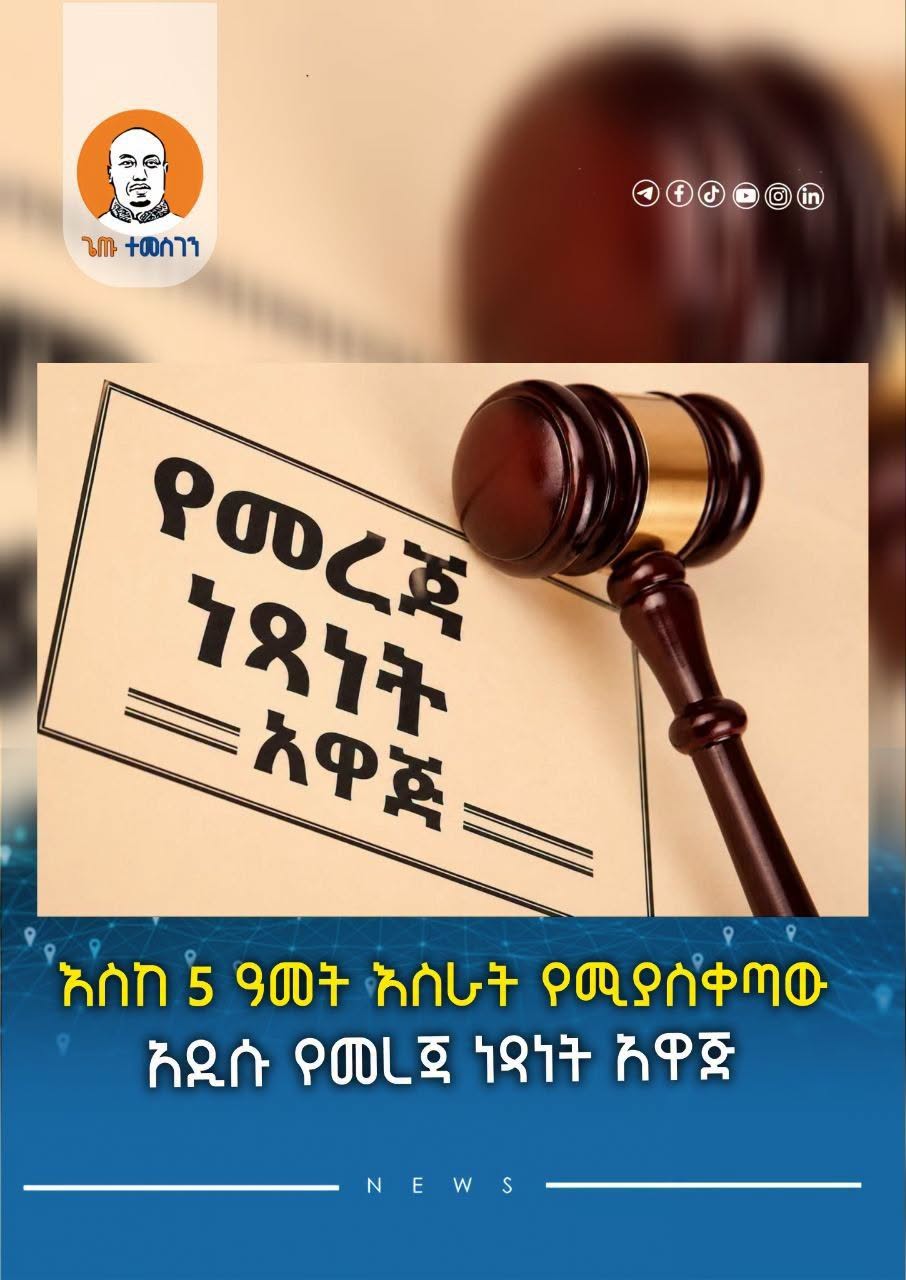
እስከ 5 ዓመት እስራት የሚያስቀጣው አዲሱ
የመረጃ ነጻነት አዋጅ
#ethiopia | የሕዝብ ተወካዮች ምክር ቤት ለዓመታት ሲጠበቅ የነበረውን አዲሱን “የመረጃ ነጻነት አዋጅ” በሙሉ ድምፅ አፅድቋል።
ይህ አዲስ ሕግ ቀደም ሲል ከነበረው አሠራር በተለየ መልኩ ከመንግሥት አካላት በተጨማሪ የግል ድርጅቶችም መረጃ የመስጠት ግዴታ እንዲኖርባቸው አድርጎ ያሻሻለ ሲሆን፣ የመንግሥት ፕሮጀክቶችን ዝርዝር አፈጻጸምና ውጤት ለሕዝብ ይፋ ማድረጋቸውን የሚያረጋግጥ ጠንካራ ድንጋጌ አካቷል።
በተጨማሪም፣ መገናኛ ብዙኃን የሕዝብ ጥቅም መረጃዎችን ሲጠይቁ ከማንኛውም የማባዣ ወጪ ክፍያ ነፃ እንዲሆኑ ተደንግጓል።
የዚህ አዋጅ ትልቁ መነጋገሪያ ጉዳይ መረጃን በደበቁ ወይም ባሻጠሩ የመንግሥት የሥራ ኃላፊዎችና ሠራተኞች ላይ የጣለው ጠንካራ የወንጀል ቅጣት ነው።
ሆን ብሎ መረጃን ያጠፋ፣ ያበላሸ፣ የደበቀ፣ ሙስናን ለመሸፈን በሚስጥር የያዘ ወይም የሀሰት ሰነድ ያዘጋጀ ኃላፊ ጥፋተኝነቱ በፍርድ ቤት ሲረጋገጥ እስከ 5 ዓመት በሚደርስ ፅኑ እስራት እና እስከ 100 ሺህ ብር የገንዘብ መቀጮ (ወይም በሁለቱም) ይቀጣል።
እንዲሁም ሆን ብሎ የተሳሳተ መረጃ የሰጠ፣ ያለበቂ ምክንያት ትዕዛዝ ያልፈጸመ ወይም የመከላከያ ምስጢር አሳልፎ የሰጠ አካል እስከ 3 ዓመት በሚደርስ ቀላል እስራት እንደሚቀጣ ተደንግጓል።
በተጨማሪም መረጃ የመጠየቅ መብትን በቸልተኝነት ለሚያደናቅፉ አካላት ማለትም የቃል ጥያቄን በቅጽ ለመሙላት ፈቃደኛ ካለመሆን፣ መረጃን አትሞ ካለማውጣት፣ እና ለአካል ጉዳተኞች ምቹ በሆነ መንገድ መረጃን ተደራሽ ካለማድረግ ጋር የተያያዙ ጥፋቶች እስከ 1 ዓመት በሚደርስ ቀላል እስራት እና እስከ 50 ሺህ ብር የገንዘብ መቀጮ ያስቀጣሉ።
ይህ አዋጅ በሀገሪቱ ግልፅነትን፣ ተጠያቂነትን እና የሕግ የበላይነትን ለማስፈን ትልቅ እመርታ መሆኑ ተገልጿል።
Ethiopia Insider
#ethiopia #informationfreedom #breakingnews #transparency #accountability #ethiopianparliament #mediafreedom #lawandjustice
የመረጃ ነጻነት አዋጅ
#ethiopia | የሕዝብ ተወካዮች ምክር ቤት ለዓመታት ሲጠበቅ የነበረውን አዲሱን “የመረጃ ነጻነት አዋጅ” በሙሉ ድምፅ አፅድቋል።
ይህ አዲስ ሕግ ቀደም ሲል ከነበረው አሠራር በተለየ መልኩ ከመንግሥት አካላት በተጨማሪ የግል ድርጅቶችም መረጃ የመስጠት ግዴታ እንዲኖርባቸው አድርጎ ያሻሻለ ሲሆን፣ የመንግሥት ፕሮጀክቶችን ዝርዝር አፈጻጸምና ውጤት ለሕዝብ ይፋ ማድረጋቸውን የሚያረጋግጥ ጠንካራ ድንጋጌ አካቷል።
በተጨማሪም፣ መገናኛ ብዙኃን የሕዝብ ጥቅም መረጃዎችን ሲጠይቁ ከማንኛውም የማባዣ ወጪ ክፍያ ነፃ እንዲሆኑ ተደንግጓል።
የዚህ አዋጅ ትልቁ መነጋገሪያ ጉዳይ መረጃን በደበቁ ወይም ባሻጠሩ የመንግሥት የሥራ ኃላፊዎችና ሠራተኞች ላይ የጣለው ጠንካራ የወንጀል ቅጣት ነው።
ሆን ብሎ መረጃን ያጠፋ፣ ያበላሸ፣ የደበቀ፣ ሙስናን ለመሸፈን በሚስጥር የያዘ ወይም የሀሰት ሰነድ ያዘጋጀ ኃላፊ ጥፋተኝነቱ በፍርድ ቤት ሲረጋገጥ እስከ 5 ዓመት በሚደርስ ፅኑ እስራት እና እስከ 100 ሺህ ብር የገንዘብ መቀጮ (ወይም በሁለቱም) ይቀጣል።
እንዲሁም ሆን ብሎ የተሳሳተ መረጃ የሰጠ፣ ያለበቂ ምክንያት ትዕዛዝ ያልፈጸመ ወይም የመከላከያ ምስጢር አሳልፎ የሰጠ አካል እስከ 3 ዓመት በሚደርስ ቀላል እስራት እንደሚቀጣ ተደንግጓል።
በተጨማሪም መረጃ የመጠየቅ መብትን በቸልተኝነት ለሚያደናቅፉ አካላት ማለትም የቃል ጥያቄን በቅጽ ለመሙላት ፈቃደኛ ካለመሆን፣ መረጃን አትሞ ካለማውጣት፣ እና ለአካል ጉዳተኞች ምቹ በሆነ መንገድ መረጃን ተደራሽ ካለማድረግ ጋር የተያያዙ ጥፋቶች እስከ 1 ዓመት በሚደርስ ቀላል እስራት እና እስከ 50 ሺህ ብር የገንዘብ መቀጮ ያስቀጣሉ።
ይህ አዋጅ በሀገሪቱ ግልፅነትን፣ ተጠያቂነትን እና የሕግ የበላይነትን ለማስፈን ትልቅ እመርታ መሆኑ ተገልጿል።
Ethiopia Insider
#ethiopia #informationfreedom #breakingnews #transparency #accountability #ethiopianparliament #mediafreedom #lawandjustice

4 months ago
AU Election Observation Mission Praises Transparency in Ethiopia’s 7th General Election
#ethiopia #elections2026 #au #observation #ebcdotstream #uhurukenyatta

4 months ago
A thriving democracy requires absolute transparency. For this general election, more than 1,800 journalists have been licensed to report on the ground.
#ethiopiae #democracy #transparency #ebc

6 months ago
ባስኬቶ
1,052 መዝገቦች በ9 ወራት ውሳኔ አገኙ
#ethiopia | የባስኬቶ ዞን ከፍተኛ ፍርድ ቤት የ9 ወራት የሥራ አፈፃፀሙን ይፋ አድርጓል። ፍርድ ቤቱ የዳኝነት አገልግሎቱን ቀልጣፋና ተደራሽ ለማድረግ በሰራቸው ስራዎች አስደናቂ ውጤት ማስመዝገቡን የፍርድ ቤቱ ፕሬዚዳንት አቶ ታጋይ ኩምሳ ገልጸዋል።
ከቀረቡ 1,101 መዝገቦች ውስጥ 1,052 (95.54%) ውሳኔ አግኝተዋል።
ከተወሰኑት ውስጥ 85% የሚሆኑት (895 መዝገቦች) ከ2 ወር ባነሰ ጊዜ ውስጥ የተቋጩ ናቸው።
የሴቶችና ህፃናት ቀለብ ጉዳይ (53 መዝገቦች) እና የኦሞ ማይክሮ ፋይናንስ ዕዳ አመላለስ (25 መዝገቦች) ሙሉ በሙሉ ውሳኔ አግኝተዋል።
በኦሞ ማይክሮ ፋይናንስ በኩል ብር 201,759.45 ለመንግስት ተመላሽ እንዲሆን ተደርጓል።
ለ4,162 ተገልጋዮች የህግ ምክርና ንቃተ ህግ አገልግሎት ተሰጥቷል።
ለ86 አቅመ ደካማ ዜጎች (48 ወንድ እና 38 ሴት) ነፃ የህግ ድጋፍ ተደርጓል።
"ፍትህ መዘግየት ፍትህ መንሳት ነው" የሚለውን መርህ በተግባር እያሳየ ያለው የባስኬቶ ዞን ከፍተኛ ፍርድ ቤት፣ ከአምናው ተመሳሳይ ወቅት ጋር ሲነጻጸር የላቀ ውጤት አስመዝግቧል።
#getu #basketozone #justiceethiopia #legalnews #courtperformance #ethiopia #legalaid #transparency #addisababamedia #ባስኬቶ #ፍትህ #የፍርድቤትዜና #ጌጡተመስገን #getutemesgen
1,052 መዝገቦች በ9 ወራት ውሳኔ አገኙ
#ethiopia | የባስኬቶ ዞን ከፍተኛ ፍርድ ቤት የ9 ወራት የሥራ አፈፃፀሙን ይፋ አድርጓል። ፍርድ ቤቱ የዳኝነት አገልግሎቱን ቀልጣፋና ተደራሽ ለማድረግ በሰራቸው ስራዎች አስደናቂ ውጤት ማስመዝገቡን የፍርድ ቤቱ ፕሬዚዳንት አቶ ታጋይ ኩምሳ ገልጸዋል።
ከቀረቡ 1,101 መዝገቦች ውስጥ 1,052 (95.54%) ውሳኔ አግኝተዋል።
ከተወሰኑት ውስጥ 85% የሚሆኑት (895 መዝገቦች) ከ2 ወር ባነሰ ጊዜ ውስጥ የተቋጩ ናቸው።
የሴቶችና ህፃናት ቀለብ ጉዳይ (53 መዝገቦች) እና የኦሞ ማይክሮ ፋይናንስ ዕዳ አመላለስ (25 መዝገቦች) ሙሉ በሙሉ ውሳኔ አግኝተዋል።
በኦሞ ማይክሮ ፋይናንስ በኩል ብር 201,759.45 ለመንግስት ተመላሽ እንዲሆን ተደርጓል።
ለ4,162 ተገልጋዮች የህግ ምክርና ንቃተ ህግ አገልግሎት ተሰጥቷል።
ለ86 አቅመ ደካማ ዜጎች (48 ወንድ እና 38 ሴት) ነፃ የህግ ድጋፍ ተደርጓል።
"ፍትህ መዘግየት ፍትህ መንሳት ነው" የሚለውን መርህ በተግባር እያሳየ ያለው የባስኬቶ ዞን ከፍተኛ ፍርድ ቤት፣ ከአምናው ተመሳሳይ ወቅት ጋር ሲነጻጸር የላቀ ውጤት አስመዝግቧል።
#getu #basketozone #justiceethiopia #legalnews #courtperformance #ethiopia #legalaid #transparency #addisababamedia #ባስኬቶ #ፍትህ #የፍርድቤትዜና #ጌጡተመስገን #getutemesgen


9 months ago
ቤት መግዛት ማለት የመኖር ተስፋን መግዛት ነው። ይህ ተስፋ ደግሞ በውል ሰነድ ላይ በሚሰፍር ፊርማ ብቻ ሳይሆን፣ በተግባር በሚታይ ግንባታና በታማኝነት ሊረጋገጥ ይገባል። ያለበለዚያ ግን፣ ዜጎች በገዛ አገራቸው "የሕልም ነጋዴዎች" ሰለባ ሆነው ማለቃቸውን ይቀጥላሉ። የግልግል ዳኝነት ስምምነቱ ይህንን ሰንሰለት ለመስበር የሚችልበት አቅም የሚለካው በወረቀት ላይ በሚሰፍሩ ቃላት ሳይሆን፣ በሚሰጡት ፈጣንና ፍትሐዊ ውሳኔዎች ብቻ ይሆናል።
ወደፊት በዘርፉ ላይ ለውጥ እንዲመጣ ከተፈለገ፣ እያንዳንዱ አልሚ በዓመት ስንት ቤት አስረከበ? ስንት የሕግ ክርክር አለበት? የሚለው ዳታ ለሕዝብ ይፋ መደረግ አለበት። መረጃ ኃይል ነው፤ ገዢዎች መረጃ ሲኖራቸው በአታላዮች የመያዝ ዕድላቸው ይቀንሳል። ይህ ስምምነት ወደ መረጃ ግልጽነት (Transparency) የሚወስድ ድልድይ መሆን አለበት።
ወደፊት በዘርፉ ላይ ለውጥ እንዲመጣ ከተፈለገ፣ እያንዳንዱ አልሚ በዓመት ስንት ቤት አስረከበ? ስንት የሕግ ክርክር አለበት? የሚለው ዳታ ለሕዝብ ይፋ መደረግ አለበት። መረጃ ኃይል ነው፤ ገዢዎች መረጃ ሲኖራቸው በአታላዮች የመያዝ ዕድላቸው ይቀንሳል። ይህ ስምምነት ወደ መረጃ ግልጽነት (Transparency) የሚወስድ ድልድይ መሆን አለበት።
9 months ago
ከጭስ ወደ ኤሌክትሪክ፡ የአዲስ አበባ ጎዳናዎች አዲስ ምዕራፍ እና የደህንነት ፈተናዎች"
በትልቅ ከተማ ውስጥ የሚታይ የትራንስፖርት እንቅስቃሴ የዚያች ሀገር የኢኮኖሚ የልብ ትርታ ማሳያ ነው። ሰሞኑን ከአዲስ አበባ ከተማ አሽከርካሪና ተሸከርካሪ ፈቃድና ቁጥጥር ባለሥልጣን የወጣው መረጃ—17 ሺሕ አዳዲስ ተሽከርካሪዎች መመዝገባቸው እና 270 ሺሕ የሚሆኑት የቴክኒክ ምርመራ ማድረጋቸው—ከተማዋ በሽግግር ላይ መሆኗን ያሳያል።
ሆኖም ይህ ሽግግር ከቁጥር ባለፈ፣ የታሪክን ትምህርት፣ የዓለምን ተሞክሮ እና ጥብቅ የኢኮኖሚ ሳይንስን ይፈልጋል።
1. ታሪካዊ ዳራ፡ ከተሽከርካሪ ምዝገባ እስከ ደህንነት ቁጥጥር
የተሽከርካሪዎች ምዝገባ እና የቴክኒክ ምርመራ ታሪክ የሰው ልጅ ከመኪና ጋር ካለው ትውውቅ ጋር አብሮ ያደገ ነው።
የመጀመሪያው ምዝገባ፦ እ.ኤ.አ በ1901 ፈረንሳይ እና በ1903 እንግሊዝ የተሽከርካሪ ታርጋ እና ምዝገባን በይፋ ጀመሩ። በወቅቱ ዓላማው "መኪና ያላቸውን ሀብታሞች መለየት" እንጂ ደህንነት አልነበረም።
የደህንነት ምርመራ (MOT) መፈጠር፦ እ.ኤ.አ በ1960ዎቹ መኪኖች እየበዙ ሲመጡ አደጋዎች በከፍተኛ ሁኔታ ጨመሩ። እንግሊዝ የመጀመሪያውን የቴክኒክ ምርመራ ስርአት (MOT test) ስታስተዋውቅ፣ መኪኖች መንገድ ላይ ከመውጣታቸው በፊት ብሬካቸው፣ መብራታቸውና ጎማቸው እንዲመረመር ተገደደ።
በኢትዮጵያ፦ በአፄ ምኒልክ ዘመን የመጀመሪያው መኪና ወደ ኢትዮጵያ ከገባ ጀምሮ፣ የትራንስፖርት ስርአቱ ለብዙ አስርት አመታት በጥቂት የግል መኪኖች ላይ ብቻ የተገደበ ነበር። የደርግ ዘመንን አልፎ በኢህአዴግ ዘመን አጋማሽ ላይ የታየው የተሽከርካሪዎች ቁጥር መጨመር፣ መንግስት የቦሎ እና የቴክኒክ ምርመራን እንደ ዋና የመቆጣጠሪያ መሳሪያ እንዲጠቀም አስገድዶታል።
ዛሬ አዲስ አበባ የምትመዘግባቸው 17 ሺሕ መኪኖች፣ ይህን ታሪካዊ ሂደት ተከትለው የመጡ ቢሆንም፣ አሁን ላይ ልዩ የሚያደርጋቸው ግን የ"ኤሌክትሪክ" መሆናቸው ነው። ይህ ደግሞ በታሪክ ታይቶ የማይታወቅ አዲስ የቴክኒክ ምርመራ ምዕራፍ ይከፍታል።
2. ዓለም አቀፍ ተሞክሮ፡ የተሳካላቸው ሀገራት ሚስጥር
አዲስ አበባ 270 ሺሕ መኪኖችን መርምሬያለሁ ስትል፣ የምርመራው ጥራት (Quality) እና ግልጽነት (Transparency) በዓለም አቀፍ መነፅር መፈተሽ አለበት።
የጀርመን "TÜV" ሞዴል፦ በጀርመን የቴክኒክ ምርመራ የሚካሄደው በመንግስት ሳይሆን በገለልተኛ ባለሙያ ድርጅቶች ነው። አንድ መኪና ምርመራውን ካላለፈ በምንም ተአምር መንገድ ላይ ሊቆም አይችልም። እዚያ ቦሎ ማለት "የመንግስት ግብር" ሳይሆን "የህይወት ዋስትና" ነው። አዲስ አበባም የምርመራ ማዕከላትን ወደ ግል ዘርፍ በማዞር (Privatization) ውጤታማነቱን ማሳደግ ትችላለች።
የሲንጋፖር የ"COE" ስርአት፦ ሲንጋፖር መኪና መመዝገብን እጅግ ውድ የምታደርገው በከተማዋ ያለውን መጨናነቅ ለመቀነስ ነው። አዲስ አበባ 17 ሺሕ መኪና ስታክል፣ መንገዶቿ ይሄን መሸከም ይችላሉ ወይ? የሚለው ጥያቄ መመለስ አለበት። መኪና መመዝገብ ብቻ ሳይሆን፣ ለአደጋ የሚያጋልጡ እጅግ አሮጌ መኪኖችን ከጥቅም ውጭ የማድረግ (Scrappage Policy) ተሞክሮ ከደቡብ ኮሪያ ሊቀሰም ይገባል።
የቻይና የኤሌክትሪክ ተሽከርካሪ አብዮት፦
ቻይና የኤሌክትሪክ መኪኖችን ስትመዘግብ፣ ከታርጋው ጎን ለጎን የኃይል መሙያ ጣቢያዎችን (Charging Piles) በየቤቱ እና በየመንገዱ ትገነባለች። አዲስ አበባ የኤሌክትሪክ መኪኖችን መመዝገቧ ትልቅ እርምጃ ቢሆንም፣ መሰረተ ልማቱ ካልተሟላ ግን እነዚህ መኪኖች በቅርቡ "የመጋዘን ጌጥ" ሆነው ሊቀሩ ይችላሉ።
የኢኮኖሚ መነፅር፡ ትርፍና ኪሳራ
ከትራንስፖርት በስተጀርባ ያለው ኢኮኖሚ እጅግ ግዙፍ ነው። አዲስ አበባ የምታደርገው ምዝገባና ምርመራ በሀገር ኢኮኖሚ ላይ ሶስት ዋና ዋና ተጽዕኖዎች አሉት፦
ሀ. የውጭ ምንዛሬ እና የነዳጅ ቁጠባ፦
ኢትዮጵያ ለነዳጅ ግዢ በየዓመቱ የምታወጣው ቢሊዮኖች ዶላር የሀገሪቱን የንግድ ሚዛን (Balance of Payments) ያዛባል። 17 ሺሕ አዳዲስ የኤሌክትሪክ መኪኖች መመዝገባቸው፣ በቀጥታም ሆነ በተዘዋዋሪ በነዳጅ ላይ የሚባክነውን የውጭ ምንዛሬ ይቀንሳል። ይህ ለኢኮኖሚው "ኦክስጅን" ነው።
ለ. የምርታማነት ሰዓት (Productivity Time)፦
270 ሺሕ መኪኖች በቴክኒክ ብልሽት መንገድ ላይ ቢቆሙ፣ በሚሊዮን የሚቆጠሩ ሰራተኞች ከስራቸው ይዘገያሉ። ይህ በሀገራዊ ምርት (GDP) ላይ ቀጥተኛ ጉዳት አለው። ስለዚህ የቦሎ ምርመራው ጥራት ሲጨምር፣ የመንገድ ላይ ብልሽት ይቀንሳል፤ ይህም የዜጎችን የሥራ ሰዓት በአግባቡ ለመጠቀም ያስችላል።
ሐ. የአደጋ ኢኮኖሚያዊ ዋጋ፦
አንድ የትራፊክ አደጋ ሲከሰት የሚከተሉት ኢኮኖሚያዊ ኪሳራዎች ይመጣሉ፦
የሰው ኃይል ማጣት (ሞት ወይም አካል ጉዳት)።
የህክምና ወጪ (በመንግስትና በግለሰብ ላይ የሚጫን)።
የተሽከርካሪና የመንገድ ንብረት ውድመት። ጥናቶች እንደሚያሳዩት በኢትዮጵያ የቴክኒክ ጉድለት ለትራፊክ አደጋ ዋነኛ ምክንያት ነው። ስለዚህ ቦሎን ማጥበቅ ማለት እነዚህን ኪሳራዎች መቀነስ ማለት ነው።
ፈተናዎች እና የወደፊት ተስፋዎች
አዲስ አበባ መኪና በመመዝገብ እና ቦሎ በመስጠት ረገድ ያሳየችው አሃዝ ቢበረታታም፣ የሚከተሉት ተግዳሮቶች መፍትሄ ይሻሉ፦
የሙስና ስጋት፦ በብዙ ታዳጊ ሀገራት የቴክኒክ ምርመራ "መኪናው ሳይታይ ቦሎ የሚታደልበት" ስርአት ሆኖ ይታያል። ይህን ለማስቀረት ዲጂታል የምርመራ ውጤቶችን በቀጥታ ወደ ማእከላዊ ዳታቤዝ የሚልኩ ማሽኖችን መጠቀም ግድ ይላል።
የኤሌክትሪክ መኪና ጥገና፦ 17 ሺሕ አዳዲስ መኪኖች ቢመዘገቡም፣ እነዚህን መኪኖች የሚጠግን በቂ የሰው ኃይል እና የመለዋወጫ እቃ (Spare parts) በሀገር ውስጥ አለ ወይ? የሚለው የገበያ ጥያቄ አልተመለሰም።
የመረጃ ቅንጅት፦ የአሽከርካሪና ተሸከርካሪ ባለሥልጣን መረጃ ከፖሊስ እና ከኢንሹራንስ ኩባንያዎች ጋር መቆራኘት አለበት። አንድ መኪና ቦሎ ከሌለው፣ ኢንሹራንስ ሊኖረው አይገባም፤ ፖሊስም በካሜራ መለየት አለበት።
ማጠቃለያ
የአዲስ አበባ የትራንስፖርት ዘርፍ እንቅስቃሴ ከቁጥር አሀዞች በላይ የሆነ የሀገር ግንባታ አካል ነው። 17 ሺሕ መኪኖችን መመዝገብ የመንገዶቻችንን ጫና ይጨምራል፤ 270 ሺሕ መኪኖችን መመርመር ደግሞ የህዝባችንን ደህንነት ይወስናል።
ኢትዮጵያ የኤሌክትሪክ መኪናን በመቀበል ከአለም አቀፉ አዝማሚያ ጋር እኩል ለመራመድ መሞከሯ የሚደነቅ ነው። ሆኖም ይህ ጉዞ ስኬታማ የሚሆነው፣ እንደ ጀርመን ያለ ጥብቅ ቁጥጥር፣ እንደ ኖርዌይ ያለ መሰረተ ልማት እና እንደ ቻይና ያለ የቴክኖሎጂ ፍላጎት ሲታከልበት ብቻ ነው። መንግስት "ቦሎ ሰጠሁ" ከሚል ሪፖርት ባለፈ፣ "አደጋን ቀነስኩ" እና "የትራፊክ ፍሰትን አቀለጥኩ" ወደሚል የተግባር መለኪያ መሸጋገር ይኖርበታል።
በትልቅ ከተማ ውስጥ የሚታይ የትራንስፖርት እንቅስቃሴ የዚያች ሀገር የኢኮኖሚ የልብ ትርታ ማሳያ ነው። ሰሞኑን ከአዲስ አበባ ከተማ አሽከርካሪና ተሸከርካሪ ፈቃድና ቁጥጥር ባለሥልጣን የወጣው መረጃ—17 ሺሕ አዳዲስ ተሽከርካሪዎች መመዝገባቸው እና 270 ሺሕ የሚሆኑት የቴክኒክ ምርመራ ማድረጋቸው—ከተማዋ በሽግግር ላይ መሆኗን ያሳያል።
ሆኖም ይህ ሽግግር ከቁጥር ባለፈ፣ የታሪክን ትምህርት፣ የዓለምን ተሞክሮ እና ጥብቅ የኢኮኖሚ ሳይንስን ይፈልጋል።
1. ታሪካዊ ዳራ፡ ከተሽከርካሪ ምዝገባ እስከ ደህንነት ቁጥጥር
የተሽከርካሪዎች ምዝገባ እና የቴክኒክ ምርመራ ታሪክ የሰው ልጅ ከመኪና ጋር ካለው ትውውቅ ጋር አብሮ ያደገ ነው።
የመጀመሪያው ምዝገባ፦ እ.ኤ.አ በ1901 ፈረንሳይ እና በ1903 እንግሊዝ የተሽከርካሪ ታርጋ እና ምዝገባን በይፋ ጀመሩ። በወቅቱ ዓላማው "መኪና ያላቸውን ሀብታሞች መለየት" እንጂ ደህንነት አልነበረም።
የደህንነት ምርመራ (MOT) መፈጠር፦ እ.ኤ.አ በ1960ዎቹ መኪኖች እየበዙ ሲመጡ አደጋዎች በከፍተኛ ሁኔታ ጨመሩ። እንግሊዝ የመጀመሪያውን የቴክኒክ ምርመራ ስርአት (MOT test) ስታስተዋውቅ፣ መኪኖች መንገድ ላይ ከመውጣታቸው በፊት ብሬካቸው፣ መብራታቸውና ጎማቸው እንዲመረመር ተገደደ።
በኢትዮጵያ፦ በአፄ ምኒልክ ዘመን የመጀመሪያው መኪና ወደ ኢትዮጵያ ከገባ ጀምሮ፣ የትራንስፖርት ስርአቱ ለብዙ አስርት አመታት በጥቂት የግል መኪኖች ላይ ብቻ የተገደበ ነበር። የደርግ ዘመንን አልፎ በኢህአዴግ ዘመን አጋማሽ ላይ የታየው የተሽከርካሪዎች ቁጥር መጨመር፣ መንግስት የቦሎ እና የቴክኒክ ምርመራን እንደ ዋና የመቆጣጠሪያ መሳሪያ እንዲጠቀም አስገድዶታል።
ዛሬ አዲስ አበባ የምትመዘግባቸው 17 ሺሕ መኪኖች፣ ይህን ታሪካዊ ሂደት ተከትለው የመጡ ቢሆንም፣ አሁን ላይ ልዩ የሚያደርጋቸው ግን የ"ኤሌክትሪክ" መሆናቸው ነው። ይህ ደግሞ በታሪክ ታይቶ የማይታወቅ አዲስ የቴክኒክ ምርመራ ምዕራፍ ይከፍታል።
2. ዓለም አቀፍ ተሞክሮ፡ የተሳካላቸው ሀገራት ሚስጥር
አዲስ አበባ 270 ሺሕ መኪኖችን መርምሬያለሁ ስትል፣ የምርመራው ጥራት (Quality) እና ግልጽነት (Transparency) በዓለም አቀፍ መነፅር መፈተሽ አለበት።
የጀርመን "TÜV" ሞዴል፦ በጀርመን የቴክኒክ ምርመራ የሚካሄደው በመንግስት ሳይሆን በገለልተኛ ባለሙያ ድርጅቶች ነው። አንድ መኪና ምርመራውን ካላለፈ በምንም ተአምር መንገድ ላይ ሊቆም አይችልም። እዚያ ቦሎ ማለት "የመንግስት ግብር" ሳይሆን "የህይወት ዋስትና" ነው። አዲስ አበባም የምርመራ ማዕከላትን ወደ ግል ዘርፍ በማዞር (Privatization) ውጤታማነቱን ማሳደግ ትችላለች።
የሲንጋፖር የ"COE" ስርአት፦ ሲንጋፖር መኪና መመዝገብን እጅግ ውድ የምታደርገው በከተማዋ ያለውን መጨናነቅ ለመቀነስ ነው። አዲስ አበባ 17 ሺሕ መኪና ስታክል፣ መንገዶቿ ይሄን መሸከም ይችላሉ ወይ? የሚለው ጥያቄ መመለስ አለበት። መኪና መመዝገብ ብቻ ሳይሆን፣ ለአደጋ የሚያጋልጡ እጅግ አሮጌ መኪኖችን ከጥቅም ውጭ የማድረግ (Scrappage Policy) ተሞክሮ ከደቡብ ኮሪያ ሊቀሰም ይገባል።
የቻይና የኤሌክትሪክ ተሽከርካሪ አብዮት፦
ቻይና የኤሌክትሪክ መኪኖችን ስትመዘግብ፣ ከታርጋው ጎን ለጎን የኃይል መሙያ ጣቢያዎችን (Charging Piles) በየቤቱ እና በየመንገዱ ትገነባለች። አዲስ አበባ የኤሌክትሪክ መኪኖችን መመዝገቧ ትልቅ እርምጃ ቢሆንም፣ መሰረተ ልማቱ ካልተሟላ ግን እነዚህ መኪኖች በቅርቡ "የመጋዘን ጌጥ" ሆነው ሊቀሩ ይችላሉ።
የኢኮኖሚ መነፅር፡ ትርፍና ኪሳራ
ከትራንስፖርት በስተጀርባ ያለው ኢኮኖሚ እጅግ ግዙፍ ነው። አዲስ አበባ የምታደርገው ምዝገባና ምርመራ በሀገር ኢኮኖሚ ላይ ሶስት ዋና ዋና ተጽዕኖዎች አሉት፦
ሀ. የውጭ ምንዛሬ እና የነዳጅ ቁጠባ፦
ኢትዮጵያ ለነዳጅ ግዢ በየዓመቱ የምታወጣው ቢሊዮኖች ዶላር የሀገሪቱን የንግድ ሚዛን (Balance of Payments) ያዛባል። 17 ሺሕ አዳዲስ የኤሌክትሪክ መኪኖች መመዝገባቸው፣ በቀጥታም ሆነ በተዘዋዋሪ በነዳጅ ላይ የሚባክነውን የውጭ ምንዛሬ ይቀንሳል። ይህ ለኢኮኖሚው "ኦክስጅን" ነው።
ለ. የምርታማነት ሰዓት (Productivity Time)፦
270 ሺሕ መኪኖች በቴክኒክ ብልሽት መንገድ ላይ ቢቆሙ፣ በሚሊዮን የሚቆጠሩ ሰራተኞች ከስራቸው ይዘገያሉ። ይህ በሀገራዊ ምርት (GDP) ላይ ቀጥተኛ ጉዳት አለው። ስለዚህ የቦሎ ምርመራው ጥራት ሲጨምር፣ የመንገድ ላይ ብልሽት ይቀንሳል፤ ይህም የዜጎችን የሥራ ሰዓት በአግባቡ ለመጠቀም ያስችላል።
ሐ. የአደጋ ኢኮኖሚያዊ ዋጋ፦
አንድ የትራፊክ አደጋ ሲከሰት የሚከተሉት ኢኮኖሚያዊ ኪሳራዎች ይመጣሉ፦
የሰው ኃይል ማጣት (ሞት ወይም አካል ጉዳት)።
የህክምና ወጪ (በመንግስትና በግለሰብ ላይ የሚጫን)።
የተሽከርካሪና የመንገድ ንብረት ውድመት። ጥናቶች እንደሚያሳዩት በኢትዮጵያ የቴክኒክ ጉድለት ለትራፊክ አደጋ ዋነኛ ምክንያት ነው። ስለዚህ ቦሎን ማጥበቅ ማለት እነዚህን ኪሳራዎች መቀነስ ማለት ነው።
ፈተናዎች እና የወደፊት ተስፋዎች
አዲስ አበባ መኪና በመመዝገብ እና ቦሎ በመስጠት ረገድ ያሳየችው አሃዝ ቢበረታታም፣ የሚከተሉት ተግዳሮቶች መፍትሄ ይሻሉ፦
የሙስና ስጋት፦ በብዙ ታዳጊ ሀገራት የቴክኒክ ምርመራ "መኪናው ሳይታይ ቦሎ የሚታደልበት" ስርአት ሆኖ ይታያል። ይህን ለማስቀረት ዲጂታል የምርመራ ውጤቶችን በቀጥታ ወደ ማእከላዊ ዳታቤዝ የሚልኩ ማሽኖችን መጠቀም ግድ ይላል።
የኤሌክትሪክ መኪና ጥገና፦ 17 ሺሕ አዳዲስ መኪኖች ቢመዘገቡም፣ እነዚህን መኪኖች የሚጠግን በቂ የሰው ኃይል እና የመለዋወጫ እቃ (Spare parts) በሀገር ውስጥ አለ ወይ? የሚለው የገበያ ጥያቄ አልተመለሰም።
የመረጃ ቅንጅት፦ የአሽከርካሪና ተሸከርካሪ ባለሥልጣን መረጃ ከፖሊስ እና ከኢንሹራንስ ኩባንያዎች ጋር መቆራኘት አለበት። አንድ መኪና ቦሎ ከሌለው፣ ኢንሹራንስ ሊኖረው አይገባም፤ ፖሊስም በካሜራ መለየት አለበት።
ማጠቃለያ
የአዲስ አበባ የትራንስፖርት ዘርፍ እንቅስቃሴ ከቁጥር አሀዞች በላይ የሆነ የሀገር ግንባታ አካል ነው። 17 ሺሕ መኪኖችን መመዝገብ የመንገዶቻችንን ጫና ይጨምራል፤ 270 ሺሕ መኪኖችን መመርመር ደግሞ የህዝባችንን ደህንነት ይወስናል።
ኢትዮጵያ የኤሌክትሪክ መኪናን በመቀበል ከአለም አቀፉ አዝማሚያ ጋር እኩል ለመራመድ መሞከሯ የሚደነቅ ነው። ሆኖም ይህ ጉዞ ስኬታማ የሚሆነው፣ እንደ ጀርመን ያለ ጥብቅ ቁጥጥር፣ እንደ ኖርዌይ ያለ መሰረተ ልማት እና እንደ ቻይና ያለ የቴክኖሎጂ ፍላጎት ሲታከልበት ብቻ ነው። መንግስት "ቦሎ ሰጠሁ" ከሚል ሪፖርት ባለፈ፣ "አደጋን ቀነስኩ" እና "የትራፊክ ፍሰትን አቀለጥኩ" ወደሚል የተግባር መለኪያ መሸጋገር ይኖርበታል።
Sponsored by
Surafel
Test AD
This is the Description.


11 months ago
Rare earths & environmental cost
By Assadullah Channa
Pakistan is entering a critical phase in its resource development strategy.
Beneath its mountainous terrain lies a vast reserve of rare earth elements (REEs), estimated to be worth between $6 to $8 trillion. These minerals are essential to the global supply chain for technologies such as smartphones, electric vehicles, renewable energy systems and advanced defense equipment. Their discovery has generated significant interest from both domestic policymakers and international investors. Yet, as the country races to unlock this potential, it risks plunging headlong into an environmental catastrophe of staggering proportions. This rapid push toward extraction has raised important questions about the adequacy of environmental safeguards and whether current governance systems can manage the long-term impacts of large-scale resource development. Without careful planning and oversight, the benefits of rare earth mining could be overshadowed by lasting ecological and social costs.
Recent geochemical mapping, conducted jointly by the Geological Survey of Pakistan and the China Geological Survey, has revealed extensive concentrations of REEs across nearly 360,000 square kilometers of Pakistani territory. These deposits, primarily found in carbonatite-related formations, represent not just economic opportunity but ecological peril. For every ton of rare earths extracted, the process generates 2,000 tons of toxic waste, including one ton of radioactive residue. This toxic arithmetic is not a footnote; it is the central equation of extraction—one that threatens to poison Pakistan’s soil, water and air for generations. Much of the exploratory work has been described as unscientific, random and insufficient. This knowledge gap means that decisions about extraction are being made without a full understanding of the environmental consequences. Eight strategic sites in Khyber Pakhtunkhwa, stretching from Mansehra to the Pakistan-Afghanistan border, have been earmarked for exploration. Drilling operations at Mashkichah in District Chagai are already underway, but the environmental implications raise serious concerns about transparency and accountability.
Pakistan’s ecological foundation seems fragile. The country faces one of the world’s most severe water crises, with over 60 percent of Balochistan’s population lacking access to safe drinking water. Groundwater depletion is accelerating and arsenic contamination in aquifers has reached dangerous levels. Rare earth processing, which requires massive volumes of water—up to 500,000 gallons per ton of lithium extracted—will place enormous strain on these already stressed resources. The competition for water between mining operations and local communities will be fierce and, in many cases, devastating. Contaminated aquifers can remain unusable for decades, wiping out agricultural potential in rural areas. The town of Talaap in Balochistan offers a grim preview of what lies ahead. For years, it has supplied water to the Saindak copper-gold project, yet its own residents have seen little benefit. The expansion of rare earth extraction threatens to replicate this pattern across multiple provinces, draining resources while delivering profits elsewhere.
The health consequences of rare earth exposure are equally alarming. REEs are known to cause cancer, cardiovascular damage, respiratory failure and neurological disorders. These elements disrupt fundamental biological processes, affecting multiple organ systems and compromising immune, reproductive and nervous functions. The burden of this environmental violence falls disproportionately on the most vulnerable and those with limited access to healthcare. Compounding these risks is Pakistan’s seismic vulnerability. The 2005 Kashmir earthquake was a stark reminder of the region’s tectonic instability. Balochistan continues to experience regular seismic activity, posing a direct threat to mining infrastructure. Rare earth extraction requires massive tailings dams to store radioactive waste and toxic chemicals. These structures, even under ideal conditions, are prone to failure.
Pakistan’s mineral wealth is undeniable. It holds the world’s fifth-largest copper-gold reserves, the second-largest coal and salt reserves and 92 discovered minerals in total. Yet the sector contributes less than 2 percent to the national GDP. This extraction-without-development model ensures that Pakistan captures minimal value from its resources while bearing the full brunt of environmental and social costs. The Saindak mine generated $2 billion between 2002 and 2017, yet Balochistan remains the poorest province. Proposed contracts for rare earth projects allocate just 10 percent equity to local communities, while foreign partners claim up to 70 percent. This is neo-colonial resource extraction, refined and repackaged for the 21st century. External geopolitical pressure further affects Pakistan’s mineral policy. In April 2025, U.S. State Department official Eric Meyer visited Islamabad just before the rushed passage of the Balochistan Mines Act. The legislation, which centralized control over provincial minerals, was suspended after widespread protests.
The risks Pakistan faces from rare earth mining are not abstract; they are immediate, measurable and potentially irreversible. If extraction proceeds without proper safeguards, the country could face widespread contamination of its water sources, accumulation of radioactive waste and loss of arable land. These impacts won’t disappear when the mining ends; they will linger for decades, affecting public health, agriculture and access to clean water. Pakistan must make a critical decision: whether to pursue mineral wealth at any cost or to develop policies that balance economic opportunity with environmental protection and community welfare. The country’s long-term stability depends on whether it can move beyond short-term profits and invest in sustainable practices and scientific oversight. This isn’t just about reputation; it’s about resilience.
— The writer is an educator, based in Sindh.
(channaassadullah320gmail.com)
By Assadullah Channa
Pakistan is entering a critical phase in its resource development strategy.
Beneath its mountainous terrain lies a vast reserve of rare earth elements (REEs), estimated to be worth between $6 to $8 trillion. These minerals are essential to the global supply chain for technologies such as smartphones, electric vehicles, renewable energy systems and advanced defense equipment. Their discovery has generated significant interest from both domestic policymakers and international investors. Yet, as the country races to unlock this potential, it risks plunging headlong into an environmental catastrophe of staggering proportions. This rapid push toward extraction has raised important questions about the adequacy of environmental safeguards and whether current governance systems can manage the long-term impacts of large-scale resource development. Without careful planning and oversight, the benefits of rare earth mining could be overshadowed by lasting ecological and social costs.
Recent geochemical mapping, conducted jointly by the Geological Survey of Pakistan and the China Geological Survey, has revealed extensive concentrations of REEs across nearly 360,000 square kilometers of Pakistani territory. These deposits, primarily found in carbonatite-related formations, represent not just economic opportunity but ecological peril. For every ton of rare earths extracted, the process generates 2,000 tons of toxic waste, including one ton of radioactive residue. This toxic arithmetic is not a footnote; it is the central equation of extraction—one that threatens to poison Pakistan’s soil, water and air for generations. Much of the exploratory work has been described as unscientific, random and insufficient. This knowledge gap means that decisions about extraction are being made without a full understanding of the environmental consequences. Eight strategic sites in Khyber Pakhtunkhwa, stretching from Mansehra to the Pakistan-Afghanistan border, have been earmarked for exploration. Drilling operations at Mashkichah in District Chagai are already underway, but the environmental implications raise serious concerns about transparency and accountability.
Pakistan’s ecological foundation seems fragile. The country faces one of the world’s most severe water crises, with over 60 percent of Balochistan’s population lacking access to safe drinking water. Groundwater depletion is accelerating and arsenic contamination in aquifers has reached dangerous levels. Rare earth processing, which requires massive volumes of water—up to 500,000 gallons per ton of lithium extracted—will place enormous strain on these already stressed resources. The competition for water between mining operations and local communities will be fierce and, in many cases, devastating. Contaminated aquifers can remain unusable for decades, wiping out agricultural potential in rural areas. The town of Talaap in Balochistan offers a grim preview of what lies ahead. For years, it has supplied water to the Saindak copper-gold project, yet its own residents have seen little benefit. The expansion of rare earth extraction threatens to replicate this pattern across multiple provinces, draining resources while delivering profits elsewhere.
The health consequences of rare earth exposure are equally alarming. REEs are known to cause cancer, cardiovascular damage, respiratory failure and neurological disorders. These elements disrupt fundamental biological processes, affecting multiple organ systems and compromising immune, reproductive and nervous functions. The burden of this environmental violence falls disproportionately on the most vulnerable and those with limited access to healthcare. Compounding these risks is Pakistan’s seismic vulnerability. The 2005 Kashmir earthquake was a stark reminder of the region’s tectonic instability. Balochistan continues to experience regular seismic activity, posing a direct threat to mining infrastructure. Rare earth extraction requires massive tailings dams to store radioactive waste and toxic chemicals. These structures, even under ideal conditions, are prone to failure.
Pakistan’s mineral wealth is undeniable. It holds the world’s fifth-largest copper-gold reserves, the second-largest coal and salt reserves and 92 discovered minerals in total. Yet the sector contributes less than 2 percent to the national GDP. This extraction-without-development model ensures that Pakistan captures minimal value from its resources while bearing the full brunt of environmental and social costs. The Saindak mine generated $2 billion between 2002 and 2017, yet Balochistan remains the poorest province. Proposed contracts for rare earth projects allocate just 10 percent equity to local communities, while foreign partners claim up to 70 percent. This is neo-colonial resource extraction, refined and repackaged for the 21st century. External geopolitical pressure further affects Pakistan’s mineral policy. In April 2025, U.S. State Department official Eric Meyer visited Islamabad just before the rushed passage of the Balochistan Mines Act. The legislation, which centralized control over provincial minerals, was suspended after widespread protests.
The risks Pakistan faces from rare earth mining are not abstract; they are immediate, measurable and potentially irreversible. If extraction proceeds without proper safeguards, the country could face widespread contamination of its water sources, accumulation of radioactive waste and loss of arable land. These impacts won’t disappear when the mining ends; they will linger for decades, affecting public health, agriculture and access to clean water. Pakistan must make a critical decision: whether to pursue mineral wealth at any cost or to develop policies that balance economic opportunity with environmental protection and community welfare. The country’s long-term stability depends on whether it can move beyond short-term profits and invest in sustainable practices and scientific oversight. This isn’t just about reputation; it’s about resilience.
— The writer is an educator, based in Sindh.
(channaassadullah320gmail.com)

1 year ago
Huawei Ethiopia Partner Summit 2025: Driving Digital Transformation with Local Partners
Addis Ababa, August 28, 2025. Huawei hosted its Ethiopia Partner Summit 2025 on August 26 at the Hyatt Regency Addis Ababa with the theme “Amplify Intelligence for Ethiopia.” The event brought together government officials, industry leaders, and business partners to discuss how technology and collaboration can speed up Ethiopia's digital transformation.
Michael Liu, CEO of Huawei Ethiopia, opened the event by emphasizing Huawei's commitment. He said, “In Ethiopia, for Ethiopia – Huawei is working hand-in-hand with local partners to build a smarter, more connected future.”
During the summit, speakers discussed how artificial intelligence, cloud computing, green data centers, and fiber technologies are changing key sectors like education, healthcare, and enterprise services. Huawei shared solutions aimed at modernizing classrooms, strengthening digital healthcare systems, and creating intelligent campuses that can enhance Ethiopia's competitiveness in the digital economy.
Huawei also reported strong growth in its partner network in Ethiopia and across Africa. They noted an increase in the number of partners and rapid improvements in partner performance. Programs like Huawei eKit are creating new opportunities for distributors and resellers. These programs allow them to tap into Ethiopia's growing SME market with innovative ICT solutions for businesses of all sizes.
The company showcased its latest innovations, including next-generation green data centers and OptiX fiber networks designed for smarter, more energy-efficient cities. Through its Co-Care Program, Huawei helps partners provide better services, increase network reliability, and create more value for customers. Additionally, Huawei highlighted its strict policy against bribery and corruption, urging all partners to adopt transparency and ethical practices in their business operations.
The event wrapped up with the Huawei Partner Awards Ceremony, which honored exceptional Ethiopian and regional partners for their efforts in advancing the country's digital future.
About Huawei
Huawei is a leading global provider of ICT infrastructure and smart devices. In Ethiopia, Huawei collaborates closely with the government, enterprises, and local partners to promote the country's digital transformation and create shared value.
Addis Ababa, August 28, 2025. Huawei hosted its Ethiopia Partner Summit 2025 on August 26 at the Hyatt Regency Addis Ababa with the theme “Amplify Intelligence for Ethiopia.” The event brought together government officials, industry leaders, and business partners to discuss how technology and collaboration can speed up Ethiopia's digital transformation.
Michael Liu, CEO of Huawei Ethiopia, opened the event by emphasizing Huawei's commitment. He said, “In Ethiopia, for Ethiopia – Huawei is working hand-in-hand with local partners to build a smarter, more connected future.”
During the summit, speakers discussed how artificial intelligence, cloud computing, green data centers, and fiber technologies are changing key sectors like education, healthcare, and enterprise services. Huawei shared solutions aimed at modernizing classrooms, strengthening digital healthcare systems, and creating intelligent campuses that can enhance Ethiopia's competitiveness in the digital economy.
Huawei also reported strong growth in its partner network in Ethiopia and across Africa. They noted an increase in the number of partners and rapid improvements in partner performance. Programs like Huawei eKit are creating new opportunities for distributors and resellers. These programs allow them to tap into Ethiopia's growing SME market with innovative ICT solutions for businesses of all sizes.
The company showcased its latest innovations, including next-generation green data centers and OptiX fiber networks designed for smarter, more energy-efficient cities. Through its Co-Care Program, Huawei helps partners provide better services, increase network reliability, and create more value for customers. Additionally, Huawei highlighted its strict policy against bribery and corruption, urging all partners to adopt transparency and ethical practices in their business operations.
The event wrapped up with the Huawei Partner Awards Ceremony, which honored exceptional Ethiopian and regional partners for their efforts in advancing the country's digital future.
About Huawei
Huawei is a leading global provider of ICT infrastructure and smart devices. In Ethiopia, Huawei collaborates closely with the government, enterprises, and local partners to promote the country's digital transformation and create shared value.



Comments