
5 months ago
ታሪካዊ ድል ለኢትዮጵያ ሲኒማ
#ethiopia | በሌጎስ በተካሄደው የAMVCA ሽልማት ላይ ሁለት ዋንጫዎችን ወሰደ
የኢትዮጵያ የፈጠራና የፊልም ኢንዱስትሪ በአፍሪካ ትልቁና ተደራሽ በሆነው 12ኛው የ"Africa Magic Viewers’ Choice Awards (AMVCA)" መድረክ ላይ ታሪካዊ ስኬት በማስመዝገብ የአህጉሪቱን ትኩረት ስቧል!
የኩራት መዝገብ የተባሉት አሸናፊዎቻችን
አዲስ ፍቅር" (Addis Fikir)
በወጣቱና ጎበዙ ዳይሬክተር ልዑል ሸዋፈራው የተመራውና የአዲስ አበባን ዘመናዊ ህይወትና መንፈስ በድንቅ አቀራረብ ያስመለከተው ተከታታይ ድራማ ምርጥ የምስራቅ አፍሪካ ሀገር በቀል ቋንቋ ፊልም" (Best Indigenous Language Film - East Africa) በመሆን አሸንፏል።
Out N' About" (Harar)
በብሩክ ይብራህ ፕሮዲውስ የተደረገውና የታሪካዊቷን የሐረር ከተማን ባህላዊና ታሪካዊ ገጽታ እውነተኛ በሆነ መልኩ ያቀረበው ይህ ጥልቅ ዘጋቢ ፊልም ምርጥ ያልተቀነባበረ ተከታታይ ፊልም" (Best Series - Unscripted) ዋንጫን በክብር ተቀብሏል።
ክብረ-ወሰን የሰበረው የኢትዮጵያ ልዑክ
በሽልማት ምሽቱ ላይ "ግዛት" (Gizat) የተባለው ተከታታይ ድራማን ጨምሮ ሦስት የሀገር ውስጥ ስራዎቻችን በ6 የተለያዩ ዘርፎች (የምርጥ ደራሲነትን ጨምሮ) ለመጨረሻው ሽልማት መታጨታቸው፣ የኢትዮጵያ ፊልም ስራዎች አሁን ላይ ዓለም አቀፍ ደረጃንና የሙያ ብቃትን ማሟላታቸውን ማሳያ ሆኗል።
ዛሬ በአትሌቶቻችንና በኳስ ስኬታችን ላይ ሌላ ትልቅ የጥበብ ድል ተጨምሮልናል። ያኔ በምናውቀው የውጭ ፊልሞችን ተርጉሞና ደብ አድርጎ (Dubbing) የማቅረብ ዘመን አልፎ፣ ዛሬ 100% ሀገር በቀልና ኦሪጅናል የሆኑ የራሳችንን ታሪኮች ይዘን አፍሪካን ማሸነፍ መቻላችን ትልቅ ኩራት ነው።
አቦል ቲቪ (Abol TV) እና መሰል የሀገር ውስጥ ይዘት የሚያሳድጉ ተቋማት ለፈጠራ ሰዎቻችን፣ ለዳይሬክተሮችና ለተዋንያን ትልቅ መድረክ እየሆኑ ነው።
ለአሸናፊዎቹና ለመላው የኪነ-ጥበብ ቤተሰብ እንኳን ደስ አላችሁ እላለሁ!
#getu #amvca2026 #ethiopiancinema #addisfikir #outnaboutharar #aboltv #dstv #africanfilm #lagos #historicwin #የኢትዮጵያፊልም #አዲስፍቅር #አቦልቲቪ #ታሪካዊድል #ጌጡተመስገን #getutemesgen
#ethiopia | በሌጎስ በተካሄደው የAMVCA ሽልማት ላይ ሁለት ዋንጫዎችን ወሰደ
የኢትዮጵያ የፈጠራና የፊልም ኢንዱስትሪ በአፍሪካ ትልቁና ተደራሽ በሆነው 12ኛው የ"Africa Magic Viewers’ Choice Awards (AMVCA)" መድረክ ላይ ታሪካዊ ስኬት በማስመዝገብ የአህጉሪቱን ትኩረት ስቧል!
የኩራት መዝገብ የተባሉት አሸናፊዎቻችን
አዲስ ፍቅር" (Addis Fikir)
በወጣቱና ጎበዙ ዳይሬክተር ልዑል ሸዋፈራው የተመራውና የአዲስ አበባን ዘመናዊ ህይወትና መንፈስ በድንቅ አቀራረብ ያስመለከተው ተከታታይ ድራማ ምርጥ የምስራቅ አፍሪካ ሀገር በቀል ቋንቋ ፊልም" (Best Indigenous Language Film - East Africa) በመሆን አሸንፏል።
Out N' About" (Harar)
በብሩክ ይብራህ ፕሮዲውስ የተደረገውና የታሪካዊቷን የሐረር ከተማን ባህላዊና ታሪካዊ ገጽታ እውነተኛ በሆነ መልኩ ያቀረበው ይህ ጥልቅ ዘጋቢ ፊልም ምርጥ ያልተቀነባበረ ተከታታይ ፊልም" (Best Series - Unscripted) ዋንጫን በክብር ተቀብሏል።
ክብረ-ወሰን የሰበረው የኢትዮጵያ ልዑክ
በሽልማት ምሽቱ ላይ "ግዛት" (Gizat) የተባለው ተከታታይ ድራማን ጨምሮ ሦስት የሀገር ውስጥ ስራዎቻችን በ6 የተለያዩ ዘርፎች (የምርጥ ደራሲነትን ጨምሮ) ለመጨረሻው ሽልማት መታጨታቸው፣ የኢትዮጵያ ፊልም ስራዎች አሁን ላይ ዓለም አቀፍ ደረጃንና የሙያ ብቃትን ማሟላታቸውን ማሳያ ሆኗል።
ዛሬ በአትሌቶቻችንና በኳስ ስኬታችን ላይ ሌላ ትልቅ የጥበብ ድል ተጨምሮልናል። ያኔ በምናውቀው የውጭ ፊልሞችን ተርጉሞና ደብ አድርጎ (Dubbing) የማቅረብ ዘመን አልፎ፣ ዛሬ 100% ሀገር በቀልና ኦሪጅናል የሆኑ የራሳችንን ታሪኮች ይዘን አፍሪካን ማሸነፍ መቻላችን ትልቅ ኩራት ነው።
አቦል ቲቪ (Abol TV) እና መሰል የሀገር ውስጥ ይዘት የሚያሳድጉ ተቋማት ለፈጠራ ሰዎቻችን፣ ለዳይሬክተሮችና ለተዋንያን ትልቅ መድረክ እየሆኑ ነው።
ለአሸናፊዎቹና ለመላው የኪነ-ጥበብ ቤተሰብ እንኳን ደስ አላችሁ እላለሁ!
#getu #amvca2026 #ethiopiancinema #addisfikir #outnaboutharar #aboltv #dstv #africanfilm #lagos #historicwin #የኢትዮጵያፊልም #አዲስፍቅር #አቦልቲቪ #ታሪካዊድል #ጌጡተመስገን #getutemesgen


8 months ago
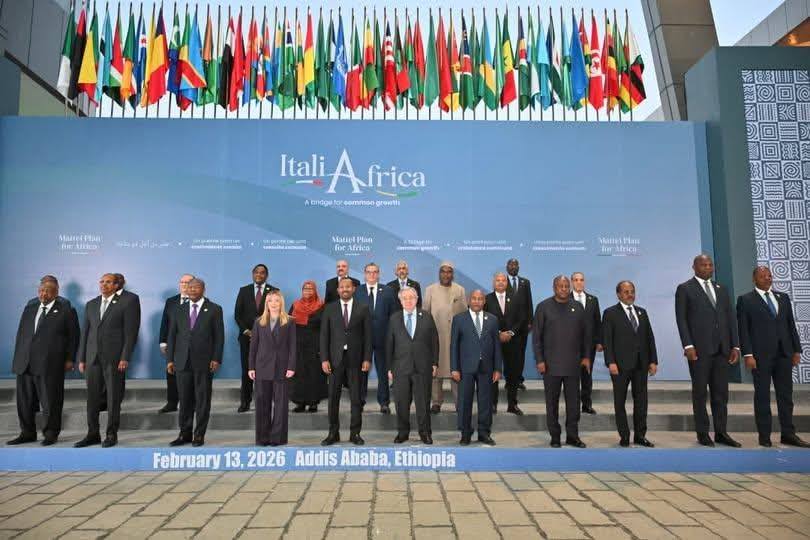
🌍 "ፍትሃዊ ያልሆነው የዓለም የፋይናንስ ሥርዓት አፍሪካን አንቆ ይዟል!" — አንቶኒዮ ጉተሬዝ 📢
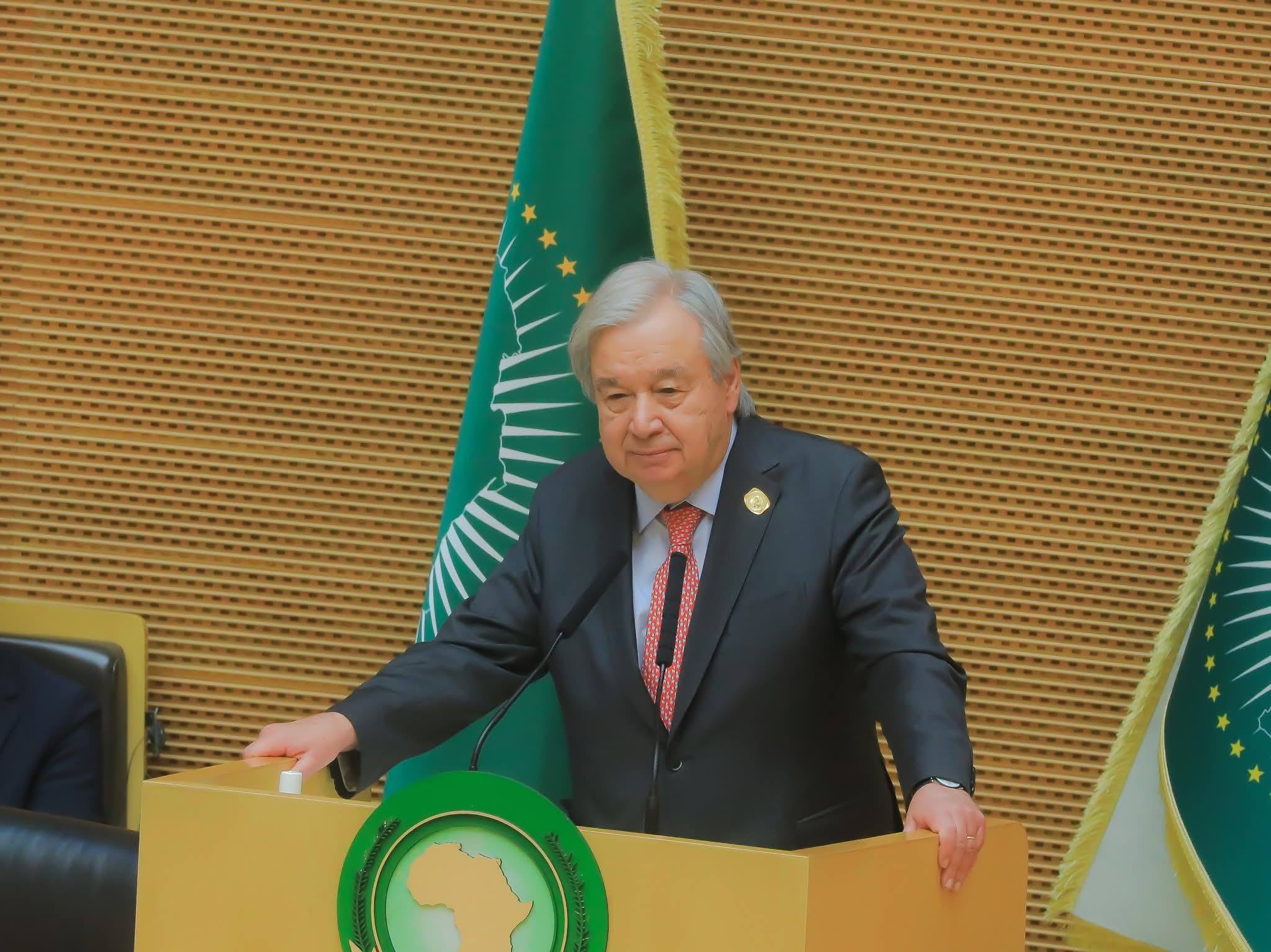
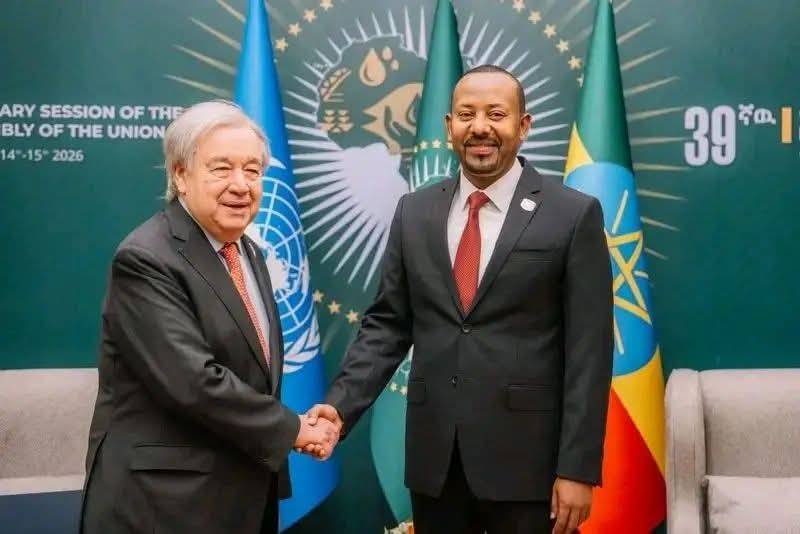
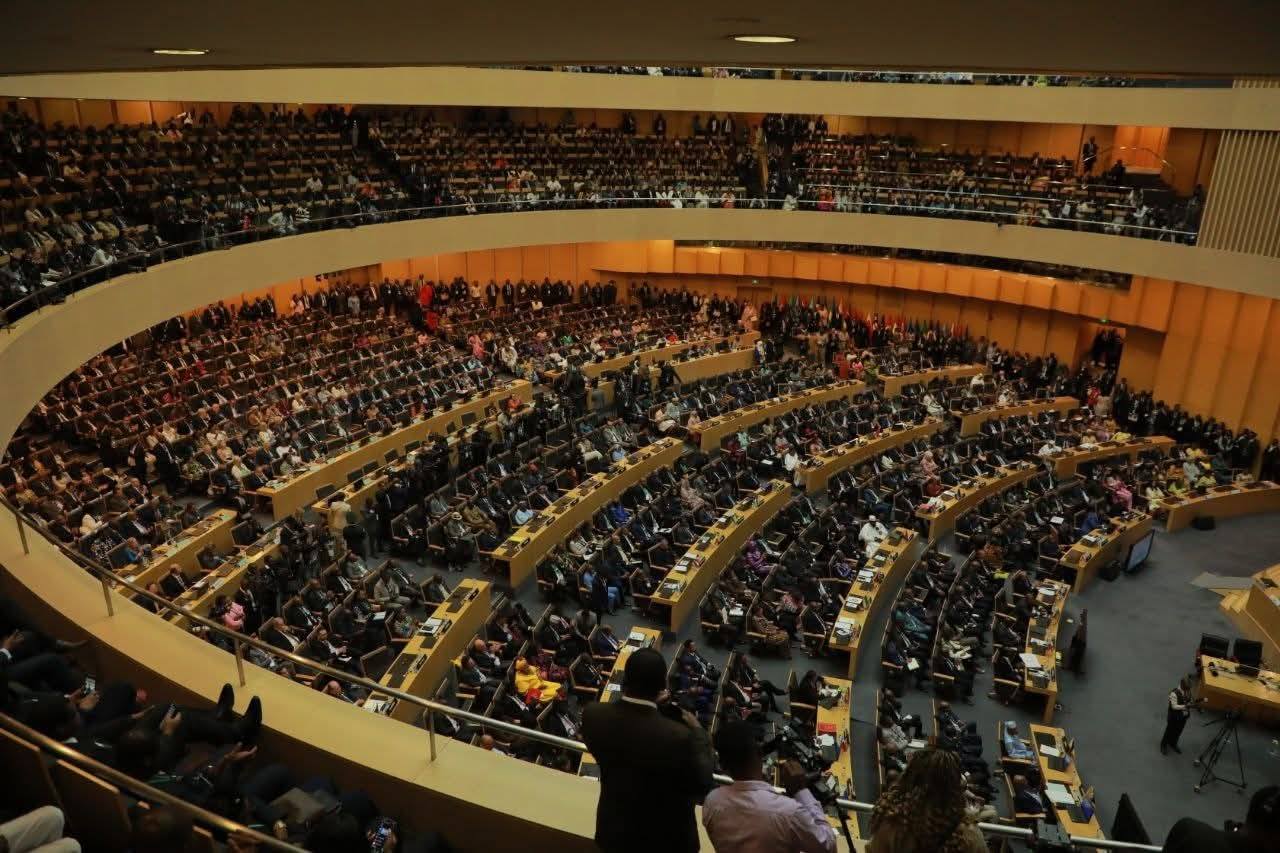
#ethiopia | በአዲስ አበባ እየተካሄደ በሚገኘው 39ኛው የአፍሪካ ሕብረት የመሪዎች ጉባኤ ላይ የተገኙት የተመድ ዋና ጸሐፊ አንቶኒዮ ጉተሬዝ፤ አህጉሪቱ በዓለም አቀፍ መድረኮች እየደረሰባት ያለውን ኢ-ፍትሃዊነት በጽኑ ተቃውመዋል።
ዋና ዋና ነጥቦች፦
💰 የፋይናንስ ኢ-ፍትሃዊነት፦
አፍሪካውያን ከበለጸጉት ሀገራት ጋር ሲነጻጸር እስከ ስምንት እጥፍ የሚበልጥ ከፍተኛ የብድር ወለድ እንዲከፍሉ መገደዳቸው "ፍትሃዊ አይደለም" ብለዋል። ይህ አስቸጋሪ ሁኔታ ኢንቨስትመንትንና የሥራ ዕድልን አንቆ ይዟል።
📉 የገንዘብ ጉድለት፦
በማደግ ላይ ያሉ ሀገራት የዘላቂ ልማት ግቦችን ለማሳካት በየዓመቱ የ 4 ትሪሊዮን ዶላር የፋይናንስ ጉድለት እንዳለባቸው ጠቁመዋል።
🏛️ የጸጥታው ምክር ቤት ቋሚ ወንበር፦
"አፍሪካ በጸጥታው ምክር ቤት ቋሚ ወንበር አለማግኘቷ ፈጽሞ ተቀባይነት የሌለውና የታሪክ ስህተት ነው" ሲሉ በንግግራቸው አፅንኦት ሰጥተዋል። አፍሪካ ውሳኔ በሚተላለፍበት ጠረጴዛ ዙሪያ የግድ መገኘት አለባት ብለዋል።
🤝 መፍትሔው፦
ተመጣጣኝ የረጅም ጊዜ ፋይናንስ፣ ጠንካራ የልማት ባንኮች እና የዕዳ መፍትሔዎች በአስቸኳይ እንደሚያስፈልጉ ጥሪ አቅርበዋል።
ዋና ጸሐፊው አክለውም "የአፍሪካ ጥንካሬ የሚመነጨው በራሱ በሚተማመን እና በተባበረ ሕብረት ነው" ብለዋል።
የአንቶኒዮ ጉተሬዝ ንግግር ለአፍሪካ አዲስ የዲፕሎማሲ ንቅናቄ ይፈጥር ይሆን?
#antonioguterres #un #africanunion #ausummit #financialjustice #unsc #addisababa #ethiopia #africarising #getutemesgen #getu #ጌጡ #ጌጡተመስገን
#ethiopia | በአዲስ አበባ እየተካሄደ በሚገኘው 39ኛው የአፍሪካ ሕብረት የመሪዎች ጉባኤ ላይ የተገኙት የተመድ ዋና ጸሐፊ አንቶኒዮ ጉተሬዝ፤ አህጉሪቱ በዓለም አቀፍ መድረኮች እየደረሰባት ያለውን ኢ-ፍትሃዊነት በጽኑ ተቃውመዋል።
ዋና ዋና ነጥቦች፦
💰 የፋይናንስ ኢ-ፍትሃዊነት፦
አፍሪካውያን ከበለጸጉት ሀገራት ጋር ሲነጻጸር እስከ ስምንት እጥፍ የሚበልጥ ከፍተኛ የብድር ወለድ እንዲከፍሉ መገደዳቸው "ፍትሃዊ አይደለም" ብለዋል። ይህ አስቸጋሪ ሁኔታ ኢንቨስትመንትንና የሥራ ዕድልን አንቆ ይዟል።
📉 የገንዘብ ጉድለት፦
በማደግ ላይ ያሉ ሀገራት የዘላቂ ልማት ግቦችን ለማሳካት በየዓመቱ የ 4 ትሪሊዮን ዶላር የፋይናንስ ጉድለት እንዳለባቸው ጠቁመዋል።
🏛️ የጸጥታው ምክር ቤት ቋሚ ወንበር፦
"አፍሪካ በጸጥታው ምክር ቤት ቋሚ ወንበር አለማግኘቷ ፈጽሞ ተቀባይነት የሌለውና የታሪክ ስህተት ነው" ሲሉ በንግግራቸው አፅንኦት ሰጥተዋል። አፍሪካ ውሳኔ በሚተላለፍበት ጠረጴዛ ዙሪያ የግድ መገኘት አለባት ብለዋል።
🤝 መፍትሔው፦
ተመጣጣኝ የረጅም ጊዜ ፋይናንስ፣ ጠንካራ የልማት ባንኮች እና የዕዳ መፍትሔዎች በአስቸኳይ እንደሚያስፈልጉ ጥሪ አቅርበዋል።
ዋና ጸሐፊው አክለውም "የአፍሪካ ጥንካሬ የሚመነጨው በራሱ በሚተማመን እና በተባበረ ሕብረት ነው" ብለዋል።
የአንቶኒዮ ጉተሬዝ ንግግር ለአፍሪካ አዲስ የዲፕሎማሲ ንቅናቄ ይፈጥር ይሆን?
#antonioguterres #un #africanunion #ausummit #financialjustice #unsc #addisababa #ethiopia #africarising #getutemesgen #getu #ጌጡ #ጌጡተመስገን
10 months ago
ራስን በራስ ማስተዳደር እስከ መገንጠል
የሕገመንግስት አንቀጽ 39 እና ዓለም አቀፍ ህጎች
በህግ ባለሙያ ፋንታሁን ደለለው
መግቢያ #ethiopia | በአለምአቀፍ ደረጃ ራስን በራስ ማስተዳደር /self determination/ ጽነስ ሀሳቡ እስከ የት ድረስ እንደሆነ የተለያየ ትርጉም ሲሰጥበት ይስተዋላል። አንዳንዶች የመገንጠልን ጽንሰ ሀሳብን የሚያካትቱ ሲሆን አንዳንዳቹ ደግሞ የመገንጠልን ጽንሰሀሳብ በፍጹም በህገመንግስታቸው ውስጥ ሳያካትቱ እንደውም መገንጠል ላይ በዝምታም ሆነ በግልጽ የሚከለክሉ ሀገራት አሉ።
ራስን በራስ እስከ ማስተዳደር መገንጠል ስረአት በህገመንግስታቸው የሚያካትቱ ሀገራት ደግሞ በግልጽ እንዴት ሊሆን እንደሚችል በግልጽ አስቀምጠዋል። ከዚህ ውጭ ባለፈም በህጋዊ ህጋዊ ባልሆነ መንገድ ተገንጥለው ሀገር ነን የሚሉ እያስተዋልናቸው ያለ ሲሆን እነዚህ ሀገራት "እጣፋንታቸው ምንድነው?" የሚለውን በዚህ አጭር ጽሁፍ የምንመለከተው ይሆናል
1. ራስን በራስ ማስተዳደር ምንድነው?
(self determination)
ራስን በራስ ማስተዳደር አንድ ሀገር ወይም የአንድ ሀገር ክልል የሀገሩን የህገመንግስት እና የህግ የበላይነት በማክበር ያለማንም ጣልቃ ገብነት ራሳቸውን በራሳቸው እድል የሚያስተዳድረበት ነው። በዚህ ረገድ የተለያየ አይነት ዙርያ ጥምጥም አይነት ትርጉም ቢመላለስም ራስን በራስ ማስተዳደር ማለት ከማንም ከጣልቃገብነት ነጻ በመሆን በህግ የበላይነትና በህዝቦች መፈቃቀድ ላይ የተመሰረተ አስተዳደር ነው።
2. ራስን በራስ ማስተዳደር እስከመገንጠል እንዴት ይፈጸማል? self determination to succesion
ራስን በራስ ማስዳደር እስከ መገንጠልን ተግባራዊ ለማድረግ የሚፈልግ ሀገር ከነበረበት ሀገር ጋር ለመቀጠል የሚያስችለው ዲሞክሪያሳዊ ፣ ህገመንግስታዊ መብትን ፣ አለምአቀፍ የዲሞክሪያሳዊ እና የሰብአዊ መብቶችን ለመጎናጻፍ ከእናት ሀገሩ ያጣ እንደሆና በህዝቡ ላይ ተደጋጋሚ የመብት ጭቆና እና የመብት ጥሰት እየደረሰበት ከሆነ ነው።
በዚህ ጊዜ ራስን በራስ የማስተዳደር እስከ መገንጠል መብት ጥያቄው ለሀገረ መንግስቱ ለሀገረ መንግስቱ መብት የተሰጠው ሲሆን ይህን በማቅረብ ህጉን ተከትሎ የሚወሰን ይሆናል።
ከዚያም በሀገሩ ህዝብና ህገመንግስት መሠረት በማድረግ አጠቃላይ ውሳኔ መገንጠል የሚፈልገው ህዝብ ጭምር ተጠይቆ የመጨረሻ መልሱ ያለ ልዩነት የመገንጠል መብትን የሚፈቅድ ከሆነ መገንጠል ተግባራዊ ይሆናል።
ይህ የሚሆነውም የመገንጠል መብት በህጉ በግልጽ የተቀመጠ እንደሆነ ነው። አለበለዚያ ግን መገንጠል አይታሰብም ተገነጠልኩ ቢልም የቅዥት ተግባር ይሆናል እንጂ ህጉን የጠበቀ ተግባር አይሆንም።
3. ራስን በራስ ማስተዳደር እስከ መገንጠል ተግባር እንዴት ይፈጸማል?
በመጀመሪያ ደረጃ የመጀመሪያዋ ሀገር የመገንጠል ጥያቄ የሚቀርብባት ህጋዊ ሀገር ልትሆን ያስፈልጋል። ይህም ማለት በአለም አቀፍ ልምድ ህጎች ውሳኔዎች መሠረት ሀገር ለማለት የምትበቃ ልትሆን ያስፈልጋል።
ሀገር ስትሆን የህዝብ ተወካዮች ምክር ቤት፣ህግ አውጪ፣ ህግ አስፈጻሚ ፣ህገመንግስት፣ህዝብ፣ግዛት፣የውጭ ግንኙነት አቅም ፣ ሉአላዊነት ሊኖራት ያስፈልጋል።
ይህቺ ሀገር በዚህ ልክ ህጋዊ ከሆነች በኋላ ነው የመገንጠል ጥያቄን የተወሰነው ሀገረ ግዛት ወይም ክልል ራስን በራስ ማስተዳደር ወይም እስከ መገንጠል የሚለውን በመጠየቅ በጠያቂው ህዝብ፣ ግዛትና እና በተጠያቂው ሀገር ህዝብ ሙሉ ፍቃድ ተፈጻሚ የሚሆነው።
ለምሳሌ ከኢትዮጵያ መገንጠል የሚፈልግ ክልል የሁሉም ክልሎች ፣ የፌደራል ህዝብ ተወካዮች ምክር ቤ፥ የፌድሬሽን ምክር ቤት እንዲሁም የጠያቂው ክልል ምክር ቤት በሙሉ ያለ ምንም ልዩነት የመገንጠል ይሁንታን ሊገኝ ያስፈልጋል።
አንዱ እንኳን የልዩነት ሀሳብ ካመጣ የመገንጠል ሀሳብ ተግባራዊ ሊሆን አይችልም። ይህ በኢፊድሪ ከመንግሥት አንቀጽ 39 ላይ የተቀመጠ ነው።
ለምሳሌ በኢትዮጵያ ይህ ህገመንግስት ሳይወጣ መንግስት ሳይመረጥ የመገንጠል ስረአት የሚከናወንበት ህግና ህገመንግስት ሳይኖር ሀገርንና ህዝብን ወክሎ የውጭ ግንኙነቶች ጋር የድርድርና የማስፈጸም አቅም ያለው የፖለቲካ ፓርቲ ወደ መንግስት የተቀየረ ሳይኖር ሀገርን በበላይነት የሚገዛ ህመንግስት ሳይመሰረት በተረባበሸ የሀገር ስሜት ውስጥ በመሆን ተገንጥያለው ብሎ በተወሰኑ ቡድኖች ብቻ በተደረገ የማይጸና ውል የመገንጠል ጥያቄ አቅራቢውም ሆነ ተቀባይውም ህጋዊ ቅቡልነት የሌላቸው ናቸው።
3. ቅቡልነት ያለው ህግን ሳይከተሉ መገንጠልን በራሳቸው ህጋዊ ያደረጉ ሀገራት እጣ ፈንታቸው ምን ይሆናል?
እነዚህ ሀገራት by defacfo(ያለ ህግ ቅቡልነት) ያላቸው ቢሆንም ከሌሎች ሀገሮች ጋር በሚያደርጉት ግንኙነቶች የሌላን ሀገርን ብሔራዊ ጥቅም መብት የሚነካ ከሆነ ጥቅሙ የሚነካበት ሀገር በተለይም ሀገር የሆነበት አካሄድ ህጋዊ ጥያቄን የሚያስነሳ ከሆነ ይህንን በመቃወሚያነት በማንሳት ብሔራዊ ጥቅሙ የተነካበት ሀገር መብቱን ማስከበር ይችላል።
4. መደምደሚያ
ይህ እንደ ጸሀፊው የህግ ምርምርና አስተያየት የቀረበ ቢሆንም ዋናው ነገር እንደ ጸሀፊው አስተያየት ሀገራት እንደ ህጋዊ ሀገር ሆነው ህዝባቸውን በማስተዳደር የዜጎችን እና የሀገርን ሉአላዊነት ለማስጠበቅ በመጀመረያ ደረጃ በህግ ቅቡልነት ሊኖራቸው ያስፈልጋል።
References/ዋቢ መጽሀፍት/
1. Crawford, J. (2006). The Creation of States in International Law (2nd ed.). Oxford University Press.
2. International Court of Justice (ICJ). (2010). Accordance with International Law of the Unilateral Declaration of Independence in Respect of Kosovo, Advisory Opinion.
3. International Court of Justice (ICJ). (1986). Frontier Dispute (Burkina Faso/Republic of Mali), Judgment.
4. Montevideo Convention on the Rights and Duties of States. (1933).
5. United Nations Human Rights Council (UNHRC). (2022). Report of the Special Rapporteur on the situation of human rights in Eritrea. A/HRC/50/20.
6. United Nations Security Council (UNSC). (1999). Resolution 1244. S/RES/1244.
7. United Nations Security Council (UNSC). (1961). Resolution 169. S/RES/169.
8. Vaughan, S. (2011). The Ethio-Eritrean Conflict and the Algiers Agreement: A Legal Analysis. In A. Jacquin-Berdal & M. Plaut (Eds.), Unfinished Business: Ethiopia and Eritrea at War. Red Sea Press.
9. Woods, T. (2019). The Law of Territorial Integrity and the Eritrea-Ethiopia Boundary Commission. Cambridge Journal of International and Comparative Law.
የሕገመንግስት አንቀጽ 39 እና ዓለም አቀፍ ህጎች
በህግ ባለሙያ ፋንታሁን ደለለው
መግቢያ #ethiopia | በአለምአቀፍ ደረጃ ራስን በራስ ማስተዳደር /self determination/ ጽነስ ሀሳቡ እስከ የት ድረስ እንደሆነ የተለያየ ትርጉም ሲሰጥበት ይስተዋላል። አንዳንዶች የመገንጠልን ጽንሰ ሀሳብን የሚያካትቱ ሲሆን አንዳንዳቹ ደግሞ የመገንጠልን ጽንሰሀሳብ በፍጹም በህገመንግስታቸው ውስጥ ሳያካትቱ እንደውም መገንጠል ላይ በዝምታም ሆነ በግልጽ የሚከለክሉ ሀገራት አሉ።
ራስን በራስ እስከ ማስተዳደር መገንጠል ስረአት በህገመንግስታቸው የሚያካትቱ ሀገራት ደግሞ በግልጽ እንዴት ሊሆን እንደሚችል በግልጽ አስቀምጠዋል። ከዚህ ውጭ ባለፈም በህጋዊ ህጋዊ ባልሆነ መንገድ ተገንጥለው ሀገር ነን የሚሉ እያስተዋልናቸው ያለ ሲሆን እነዚህ ሀገራት "እጣፋንታቸው ምንድነው?" የሚለውን በዚህ አጭር ጽሁፍ የምንመለከተው ይሆናል
1. ራስን በራስ ማስተዳደር ምንድነው?
(self determination)
ራስን በራስ ማስተዳደር አንድ ሀገር ወይም የአንድ ሀገር ክልል የሀገሩን የህገመንግስት እና የህግ የበላይነት በማክበር ያለማንም ጣልቃ ገብነት ራሳቸውን በራሳቸው እድል የሚያስተዳድረበት ነው። በዚህ ረገድ የተለያየ አይነት ዙርያ ጥምጥም አይነት ትርጉም ቢመላለስም ራስን በራስ ማስተዳደር ማለት ከማንም ከጣልቃገብነት ነጻ በመሆን በህግ የበላይነትና በህዝቦች መፈቃቀድ ላይ የተመሰረተ አስተዳደር ነው።
2. ራስን በራስ ማስተዳደር እስከመገንጠል እንዴት ይፈጸማል? self determination to succesion
ራስን በራስ ማስዳደር እስከ መገንጠልን ተግባራዊ ለማድረግ የሚፈልግ ሀገር ከነበረበት ሀገር ጋር ለመቀጠል የሚያስችለው ዲሞክሪያሳዊ ፣ ህገመንግስታዊ መብትን ፣ አለምአቀፍ የዲሞክሪያሳዊ እና የሰብአዊ መብቶችን ለመጎናጻፍ ከእናት ሀገሩ ያጣ እንደሆና በህዝቡ ላይ ተደጋጋሚ የመብት ጭቆና እና የመብት ጥሰት እየደረሰበት ከሆነ ነው።
በዚህ ጊዜ ራስን በራስ የማስተዳደር እስከ መገንጠል መብት ጥያቄው ለሀገረ መንግስቱ ለሀገረ መንግስቱ መብት የተሰጠው ሲሆን ይህን በማቅረብ ህጉን ተከትሎ የሚወሰን ይሆናል።
ከዚያም በሀገሩ ህዝብና ህገመንግስት መሠረት በማድረግ አጠቃላይ ውሳኔ መገንጠል የሚፈልገው ህዝብ ጭምር ተጠይቆ የመጨረሻ መልሱ ያለ ልዩነት የመገንጠል መብትን የሚፈቅድ ከሆነ መገንጠል ተግባራዊ ይሆናል።
ይህ የሚሆነውም የመገንጠል መብት በህጉ በግልጽ የተቀመጠ እንደሆነ ነው። አለበለዚያ ግን መገንጠል አይታሰብም ተገነጠልኩ ቢልም የቅዥት ተግባር ይሆናል እንጂ ህጉን የጠበቀ ተግባር አይሆንም።
3. ራስን በራስ ማስተዳደር እስከ መገንጠል ተግባር እንዴት ይፈጸማል?
በመጀመሪያ ደረጃ የመጀመሪያዋ ሀገር የመገንጠል ጥያቄ የሚቀርብባት ህጋዊ ሀገር ልትሆን ያስፈልጋል። ይህም ማለት በአለም አቀፍ ልምድ ህጎች ውሳኔዎች መሠረት ሀገር ለማለት የምትበቃ ልትሆን ያስፈልጋል።
ሀገር ስትሆን የህዝብ ተወካዮች ምክር ቤት፣ህግ አውጪ፣ ህግ አስፈጻሚ ፣ህገመንግስት፣ህዝብ፣ግዛት፣የውጭ ግንኙነት አቅም ፣ ሉአላዊነት ሊኖራት ያስፈልጋል።
ይህቺ ሀገር በዚህ ልክ ህጋዊ ከሆነች በኋላ ነው የመገንጠል ጥያቄን የተወሰነው ሀገረ ግዛት ወይም ክልል ራስን በራስ ማስተዳደር ወይም እስከ መገንጠል የሚለውን በመጠየቅ በጠያቂው ህዝብ፣ ግዛትና እና በተጠያቂው ሀገር ህዝብ ሙሉ ፍቃድ ተፈጻሚ የሚሆነው።
ለምሳሌ ከኢትዮጵያ መገንጠል የሚፈልግ ክልል የሁሉም ክልሎች ፣ የፌደራል ህዝብ ተወካዮች ምክር ቤ፥ የፌድሬሽን ምክር ቤት እንዲሁም የጠያቂው ክልል ምክር ቤት በሙሉ ያለ ምንም ልዩነት የመገንጠል ይሁንታን ሊገኝ ያስፈልጋል።
አንዱ እንኳን የልዩነት ሀሳብ ካመጣ የመገንጠል ሀሳብ ተግባራዊ ሊሆን አይችልም። ይህ በኢፊድሪ ከመንግሥት አንቀጽ 39 ላይ የተቀመጠ ነው።
ለምሳሌ በኢትዮጵያ ይህ ህገመንግስት ሳይወጣ መንግስት ሳይመረጥ የመገንጠል ስረአት የሚከናወንበት ህግና ህገመንግስት ሳይኖር ሀገርንና ህዝብን ወክሎ የውጭ ግንኙነቶች ጋር የድርድርና የማስፈጸም አቅም ያለው የፖለቲካ ፓርቲ ወደ መንግስት የተቀየረ ሳይኖር ሀገርን በበላይነት የሚገዛ ህመንግስት ሳይመሰረት በተረባበሸ የሀገር ስሜት ውስጥ በመሆን ተገንጥያለው ብሎ በተወሰኑ ቡድኖች ብቻ በተደረገ የማይጸና ውል የመገንጠል ጥያቄ አቅራቢውም ሆነ ተቀባይውም ህጋዊ ቅቡልነት የሌላቸው ናቸው።
3. ቅቡልነት ያለው ህግን ሳይከተሉ መገንጠልን በራሳቸው ህጋዊ ያደረጉ ሀገራት እጣ ፈንታቸው ምን ይሆናል?
እነዚህ ሀገራት by defacfo(ያለ ህግ ቅቡልነት) ያላቸው ቢሆንም ከሌሎች ሀገሮች ጋር በሚያደርጉት ግንኙነቶች የሌላን ሀገርን ብሔራዊ ጥቅም መብት የሚነካ ከሆነ ጥቅሙ የሚነካበት ሀገር በተለይም ሀገር የሆነበት አካሄድ ህጋዊ ጥያቄን የሚያስነሳ ከሆነ ይህንን በመቃወሚያነት በማንሳት ብሔራዊ ጥቅሙ የተነካበት ሀገር መብቱን ማስከበር ይችላል።
4. መደምደሚያ
ይህ እንደ ጸሀፊው የህግ ምርምርና አስተያየት የቀረበ ቢሆንም ዋናው ነገር እንደ ጸሀፊው አስተያየት ሀገራት እንደ ህጋዊ ሀገር ሆነው ህዝባቸውን በማስተዳደር የዜጎችን እና የሀገርን ሉአላዊነት ለማስጠበቅ በመጀመረያ ደረጃ በህግ ቅቡልነት ሊኖራቸው ያስፈልጋል።
References/ዋቢ መጽሀፍት/
1. Crawford, J. (2006). The Creation of States in International Law (2nd ed.). Oxford University Press.
2. International Court of Justice (ICJ). (2010). Accordance with International Law of the Unilateral Declaration of Independence in Respect of Kosovo, Advisory Opinion.
3. International Court of Justice (ICJ). (1986). Frontier Dispute (Burkina Faso/Republic of Mali), Judgment.
4. Montevideo Convention on the Rights and Duties of States. (1933).
5. United Nations Human Rights Council (UNHRC). (2022). Report of the Special Rapporteur on the situation of human rights in Eritrea. A/HRC/50/20.
6. United Nations Security Council (UNSC). (1999). Resolution 1244. S/RES/1244.
7. United Nations Security Council (UNSC). (1961). Resolution 169. S/RES/169.
8. Vaughan, S. (2011). The Ethio-Eritrean Conflict and the Algiers Agreement: A Legal Analysis. In A. Jacquin-Berdal & M. Plaut (Eds.), Unfinished Business: Ethiopia and Eritrea at War. Red Sea Press.
9. Woods, T. (2019). The Law of Territorial Integrity and the Eritrea-Ethiopia Boundary Commission. Cambridge Journal of International and Comparative Law.

10 months ago
የመጀመሪያው የኢትዮጵያ ክልሎች የሰላም ጉባዔ
#ethiopia | የ2050 የተባበሩት መንግስታት ደህንነት ምክር ቤት ድንጋጌዎችን (UNSCR) ተከትሎ በኢትዮጵያ ክልሎች ውስጥ ያሉ ወጣቶች፤ “ወጣቶች ለሰላም” በሚል መሪ ቃል በሲዳማ ክልል ርዕሰ መዲና ሀዋሳ በመሰባሰብ ውይይቶችን ያደርጋሉ ፤ ልምድ ይለዋወጣሉ እንዲሁም የተለያዩ የሰላም አጀንዳዎችን ይቀርፃሉ፡፡
በተጨማሪም የክልሎች ወጣቶች የሰላምና ደህንነት ጉባኤ በወጣቶች ሰላምና ድህንነት አጀንዳዎች ላይ ይመክራል ፤ ትርጉም ያለው የወጣቶች ተሳትፎ እንዲጠናከር አቅጣጫዎችን ያስቀምጣል ፤ ለኢትዮጵያ ወጣቶች ሰላምና ደህንነት ዕቅድ ዝግጅት ቀጥተኛ አስተዋፅኦ ያደርጋል፡፡
በቅንጅታዊ ምክክርና በስነጥበብ ሰላምን በመግለፅ ከመንግሰት ፤ ከሲቪል ማህበረሰብ እና ከልማት አጋሮች ጋር በሚደረጉ የፖሊሲ ውይይቶች ወጣቶች በግጭቶች የሚጎዱ አካላት ብቻ ሳይሆኑ ዘላቂ ሰላምን ለማረጋገጥ ዋነኛ ተዋንያን መሆናቸው ይረጋገጣል፡፡
በጣምራ ለማህበራዊ ልማት ድርጅት ፤ በኖርዌይ ቤተ ክርስቲያን የእርዳታ ድርጅት ፤ በዩቡንቱ የወጣቶች ሰላም ግንባታ ጥምረት ፤ በኢትዮጵያ ወጣቶች ምክር ቤት እና በሌሎች አጋሮች ትብብር የተዘጋጀ፡፡
ሀዋሳ ፤ ኢትዮጵያ

10 months ago
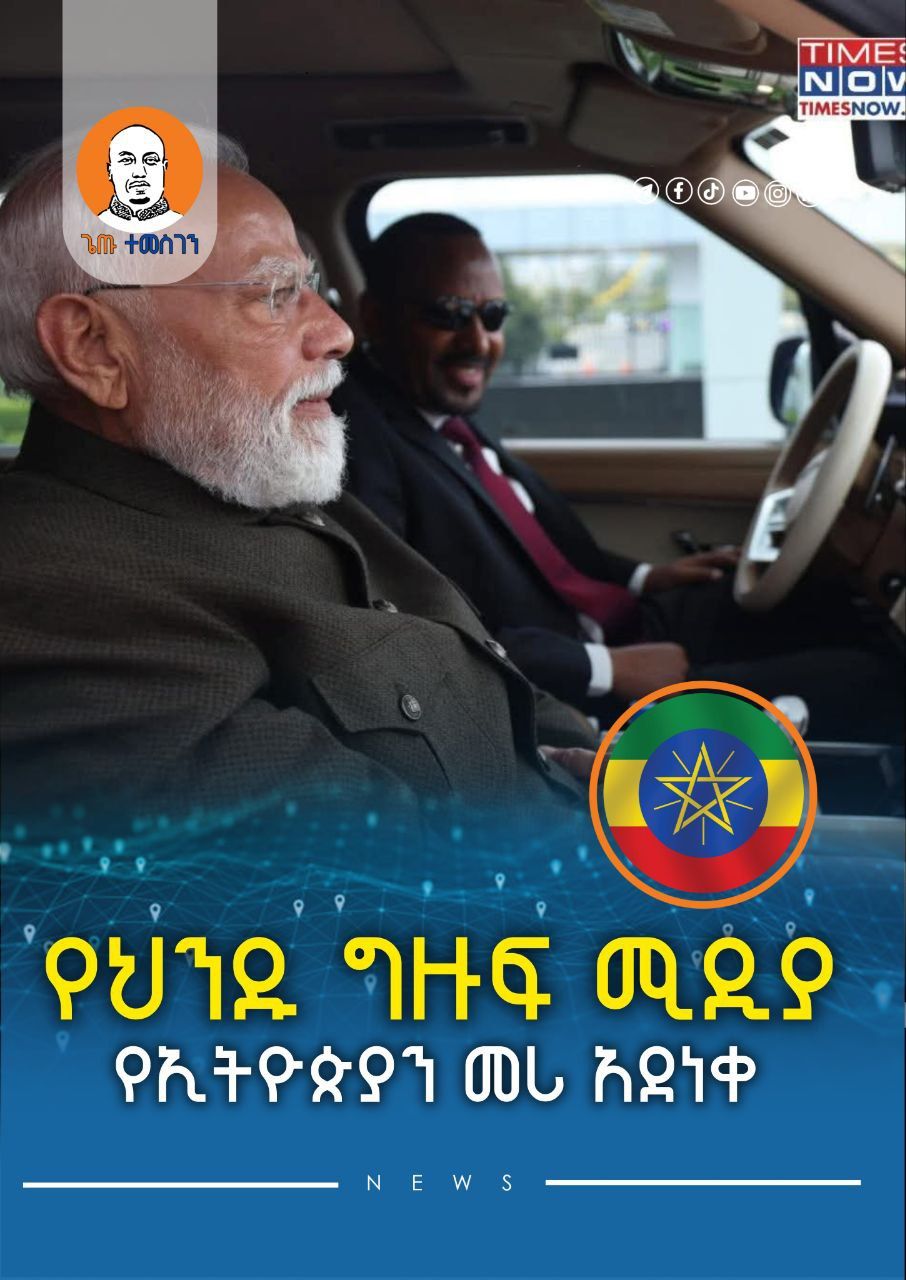
የህንዱ ግዙፍ ሚዲያ የኢትዮጵያን መሪ አደነቀ
#ethiopia | የህንዱ TIMES NOW ሚዲያ በእንግሊዝኛ ቋንቋ ከሚፅፉና ቁጥር አንድ ተነባቢ ከሆኑት ሚዲያዎች የሚመደብ ነው።
ሚዲያው በዘገባው፣ ጠቅላይ ሚኒስትር ዐቢይ አህመድ (ዶ/ር) የህንዱን ጠቅላይ ሚኒስትር ናሬንድራ ሞዲን ተቀብለው ከአዲስ አበባ ዓለምአቀፍ አወረሮፕላን ማረፊያ እስከ ወዳጅነት ፓርክ ራሳቸው እያሽከረከሩ መውሰዳቸውን አስመልክቶ በአድናቆት ፅፎ አስነብቧል።
“Prime Minister Narendra Modi arrived in Ethiopia on Tuesday on the second leg of his three-nation tour, but it was the warm, unscheduled welcome that stood out. Ethiopian Prime Minister Dr Abiy Ahmed Ali personally received PM Modi at the Addis Ababa International Airport and drove him to the hotel in a rare diplomatic gesture.
#ethiopia | የህንዱ TIMES NOW ሚዲያ በእንግሊዝኛ ቋንቋ ከሚፅፉና ቁጥር አንድ ተነባቢ ከሆኑት ሚዲያዎች የሚመደብ ነው።
ሚዲያው በዘገባው፣ ጠቅላይ ሚኒስትር ዐቢይ አህመድ (ዶ/ር) የህንዱን ጠቅላይ ሚኒስትር ናሬንድራ ሞዲን ተቀብለው ከአዲስ አበባ ዓለምአቀፍ አወረሮፕላን ማረፊያ እስከ ወዳጅነት ፓርክ ራሳቸው እያሽከረከሩ መውሰዳቸውን አስመልክቶ በአድናቆት ፅፎ አስነብቧል።
“Prime Minister Narendra Modi arrived in Ethiopia on Tuesday on the second leg of his three-nation tour, but it was the warm, unscheduled welcome that stood out. Ethiopian Prime Minister Dr Abiy Ahmed Ali personally received PM Modi at the Addis Ababa International Airport and drove him to the hotel in a rare diplomatic gesture.

11 months ago
Rare earths & environmental cost
By Assadullah Channa
Pakistan is entering a critical phase in its resource development strategy.
Beneath its mountainous terrain lies a vast reserve of rare earth elements (REEs), estimated to be worth between $6 to $8 trillion. These minerals are essential to the global supply chain for technologies such as smartphones, electric vehicles, renewable energy systems and advanced defense equipment. Their discovery has generated significant interest from both domestic policymakers and international investors. Yet, as the country races to unlock this potential, it risks plunging headlong into an environmental catastrophe of staggering proportions. This rapid push toward extraction has raised important questions about the adequacy of environmental safeguards and whether current governance systems can manage the long-term impacts of large-scale resource development. Without careful planning and oversight, the benefits of rare earth mining could be overshadowed by lasting ecological and social costs.
Recent geochemical mapping, conducted jointly by the Geological Survey of Pakistan and the China Geological Survey, has revealed extensive concentrations of REEs across nearly 360,000 square kilometers of Pakistani territory. These deposits, primarily found in carbonatite-related formations, represent not just economic opportunity but ecological peril. For every ton of rare earths extracted, the process generates 2,000 tons of toxic waste, including one ton of radioactive residue. This toxic arithmetic is not a footnote; it is the central equation of extraction—one that threatens to poison Pakistan’s soil, water and air for generations. Much of the exploratory work has been described as unscientific, random and insufficient. This knowledge gap means that decisions about extraction are being made without a full understanding of the environmental consequences. Eight strategic sites in Khyber Pakhtunkhwa, stretching from Mansehra to the Pakistan-Afghanistan border, have been earmarked for exploration. Drilling operations at Mashkichah in District Chagai are already underway, but the environmental implications raise serious concerns about transparency and accountability.
Pakistan’s ecological foundation seems fragile. The country faces one of the world’s most severe water crises, with over 60 percent of Balochistan’s population lacking access to safe drinking water. Groundwater depletion is accelerating and arsenic contamination in aquifers has reached dangerous levels. Rare earth processing, which requires massive volumes of water—up to 500,000 gallons per ton of lithium extracted—will place enormous strain on these already stressed resources. The competition for water between mining operations and local communities will be fierce and, in many cases, devastating. Contaminated aquifers can remain unusable for decades, wiping out agricultural potential in rural areas. The town of Talaap in Balochistan offers a grim preview of what lies ahead. For years, it has supplied water to the Saindak copper-gold project, yet its own residents have seen little benefit. The expansion of rare earth extraction threatens to replicate this pattern across multiple provinces, draining resources while delivering profits elsewhere.
The health consequences of rare earth exposure are equally alarming. REEs are known to cause cancer, cardiovascular damage, respiratory failure and neurological disorders. These elements disrupt fundamental biological processes, affecting multiple organ systems and compromising immune, reproductive and nervous functions. The burden of this environmental violence falls disproportionately on the most vulnerable and those with limited access to healthcare. Compounding these risks is Pakistan’s seismic vulnerability. The 2005 Kashmir earthquake was a stark reminder of the region’s tectonic instability. Balochistan continues to experience regular seismic activity, posing a direct threat to mining infrastructure. Rare earth extraction requires massive tailings dams to store radioactive waste and toxic chemicals. These structures, even under ideal conditions, are prone to failure.
Pakistan’s mineral wealth is undeniable. It holds the world’s fifth-largest copper-gold reserves, the second-largest coal and salt reserves and 92 discovered minerals in total. Yet the sector contributes less than 2 percent to the national GDP. This extraction-without-development model ensures that Pakistan captures minimal value from its resources while bearing the full brunt of environmental and social costs. The Saindak mine generated $2 billion between 2002 and 2017, yet Balochistan remains the poorest province. Proposed contracts for rare earth projects allocate just 10 percent equity to local communities, while foreign partners claim up to 70 percent. This is neo-colonial resource extraction, refined and repackaged for the 21st century. External geopolitical pressure further affects Pakistan’s mineral policy. In April 2025, U.S. State Department official Eric Meyer visited Islamabad just before the rushed passage of the Balochistan Mines Act. The legislation, which centralized control over provincial minerals, was suspended after widespread protests.
The risks Pakistan faces from rare earth mining are not abstract; they are immediate, measurable and potentially irreversible. If extraction proceeds without proper safeguards, the country could face widespread contamination of its water sources, accumulation of radioactive waste and loss of arable land. These impacts won’t disappear when the mining ends; they will linger for decades, affecting public health, agriculture and access to clean water. Pakistan must make a critical decision: whether to pursue mineral wealth at any cost or to develop policies that balance economic opportunity with environmental protection and community welfare. The country’s long-term stability depends on whether it can move beyond short-term profits and invest in sustainable practices and scientific oversight. This isn’t just about reputation; it’s about resilience.
— The writer is an educator, based in Sindh.
(channaassadullah320gmail.com)
By Assadullah Channa
Pakistan is entering a critical phase in its resource development strategy.
Beneath its mountainous terrain lies a vast reserve of rare earth elements (REEs), estimated to be worth between $6 to $8 trillion. These minerals are essential to the global supply chain for technologies such as smartphones, electric vehicles, renewable energy systems and advanced defense equipment. Their discovery has generated significant interest from both domestic policymakers and international investors. Yet, as the country races to unlock this potential, it risks plunging headlong into an environmental catastrophe of staggering proportions. This rapid push toward extraction has raised important questions about the adequacy of environmental safeguards and whether current governance systems can manage the long-term impacts of large-scale resource development. Without careful planning and oversight, the benefits of rare earth mining could be overshadowed by lasting ecological and social costs.
Recent geochemical mapping, conducted jointly by the Geological Survey of Pakistan and the China Geological Survey, has revealed extensive concentrations of REEs across nearly 360,000 square kilometers of Pakistani territory. These deposits, primarily found in carbonatite-related formations, represent not just economic opportunity but ecological peril. For every ton of rare earths extracted, the process generates 2,000 tons of toxic waste, including one ton of radioactive residue. This toxic arithmetic is not a footnote; it is the central equation of extraction—one that threatens to poison Pakistan’s soil, water and air for generations. Much of the exploratory work has been described as unscientific, random and insufficient. This knowledge gap means that decisions about extraction are being made without a full understanding of the environmental consequences. Eight strategic sites in Khyber Pakhtunkhwa, stretching from Mansehra to the Pakistan-Afghanistan border, have been earmarked for exploration. Drilling operations at Mashkichah in District Chagai are already underway, but the environmental implications raise serious concerns about transparency and accountability.
Pakistan’s ecological foundation seems fragile. The country faces one of the world’s most severe water crises, with over 60 percent of Balochistan’s population lacking access to safe drinking water. Groundwater depletion is accelerating and arsenic contamination in aquifers has reached dangerous levels. Rare earth processing, which requires massive volumes of water—up to 500,000 gallons per ton of lithium extracted—will place enormous strain on these already stressed resources. The competition for water between mining operations and local communities will be fierce and, in many cases, devastating. Contaminated aquifers can remain unusable for decades, wiping out agricultural potential in rural areas. The town of Talaap in Balochistan offers a grim preview of what lies ahead. For years, it has supplied water to the Saindak copper-gold project, yet its own residents have seen little benefit. The expansion of rare earth extraction threatens to replicate this pattern across multiple provinces, draining resources while delivering profits elsewhere.
The health consequences of rare earth exposure are equally alarming. REEs are known to cause cancer, cardiovascular damage, respiratory failure and neurological disorders. These elements disrupt fundamental biological processes, affecting multiple organ systems and compromising immune, reproductive and nervous functions. The burden of this environmental violence falls disproportionately on the most vulnerable and those with limited access to healthcare. Compounding these risks is Pakistan’s seismic vulnerability. The 2005 Kashmir earthquake was a stark reminder of the region’s tectonic instability. Balochistan continues to experience regular seismic activity, posing a direct threat to mining infrastructure. Rare earth extraction requires massive tailings dams to store radioactive waste and toxic chemicals. These structures, even under ideal conditions, are prone to failure.
Pakistan’s mineral wealth is undeniable. It holds the world’s fifth-largest copper-gold reserves, the second-largest coal and salt reserves and 92 discovered minerals in total. Yet the sector contributes less than 2 percent to the national GDP. This extraction-without-development model ensures that Pakistan captures minimal value from its resources while bearing the full brunt of environmental and social costs. The Saindak mine generated $2 billion between 2002 and 2017, yet Balochistan remains the poorest province. Proposed contracts for rare earth projects allocate just 10 percent equity to local communities, while foreign partners claim up to 70 percent. This is neo-colonial resource extraction, refined and repackaged for the 21st century. External geopolitical pressure further affects Pakistan’s mineral policy. In April 2025, U.S. State Department official Eric Meyer visited Islamabad just before the rushed passage of the Balochistan Mines Act. The legislation, which centralized control over provincial minerals, was suspended after widespread protests.
The risks Pakistan faces from rare earth mining are not abstract; they are immediate, measurable and potentially irreversible. If extraction proceeds without proper safeguards, the country could face widespread contamination of its water sources, accumulation of radioactive waste and loss of arable land. These impacts won’t disappear when the mining ends; they will linger for decades, affecting public health, agriculture and access to clean water. Pakistan must make a critical decision: whether to pursue mineral wealth at any cost or to develop policies that balance economic opportunity with environmental protection and community welfare. The country’s long-term stability depends on whether it can move beyond short-term profits and invest in sustainable practices and scientific oversight. This isn’t just about reputation; it’s about resilience.
— The writer is an educator, based in Sindh.
(channaassadullah320gmail.com)

Sponsored by
Surafel
Test AD
This is the Description.




Comments